


Chile’s 2,000-Year-Old Monkey Puzzle Tree Remains a Natural Wonder
The CSR Journal Magazine

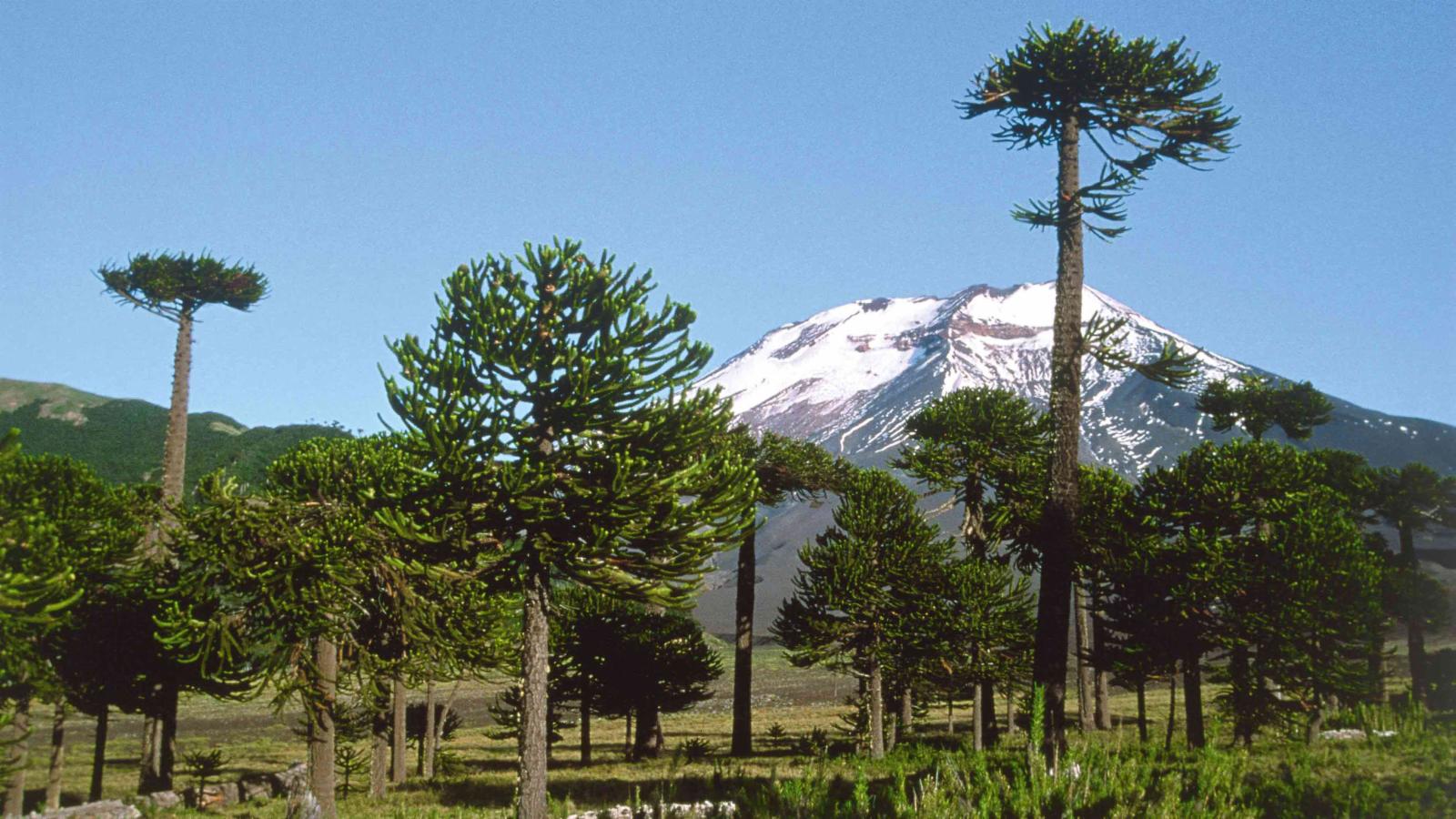
The monkey puzzle tree, known scientifically as Araucaria araucana, is the national tree of Chile. This species has gained recognition for its remarkable longevity, with some trees living up to 2,000 years. Its unique appearance and resilience make it an important symbol of Chilean heritage, drawing interest from botanists and nature enthusiasts alike. The tree is indigenous to the temperate rainforests of southern Chile and Argentina, thriving in diverse climatic conditions.

Characteristics and Growth

The monkey puzzle tree is easily identifiable due to its distinctive spiky leaves and symmetrical branching. Typically reaching heights between 30 and 40 metres, it boasts a stout trunk and a conical crown that adds to its visual appeal. Its name, derived from the supposed difficulty monkeys would have climbing it, reflects its unique morphology. The tree produces large, edible seeds that are rich in nutrients and were traditionally consumed by the indigenous Mapuche people.

This tree species prefers well-drained soil and can adapt to various terrains, including mountainous regions. It thrives in altitudes ranging from 500 to 1,500 metres. The growth rate of the monkey puzzle tree is relatively slow, often taking several years to reach reproductive maturity, which occurs when the tree is around 20 to 30 years old. The mature trees produce colourful cones that can weigh up to 5 kg, showcasing both their biological significance and aesthetic appeal.

Cultivation efforts to preserve the monkey puzzle tree have become increasingly important due to environmental changes and deforestation. Conservation programmes aim to ensure the survival of this ancient species, encouraging sustainable practices and raising awareness about its ecological role. Efforts include the cultivation of new trees and protecting existing habitats to maintain the genetic diversity of the species.

Cultural Significance in Chile

The monkey puzzle tree holds significant cultural value in Chile. It is not only a vital part of the local ecosystem but also an integral aspect of the national identity. The tree appears in various forms of art, folklore, and tradition. Its seeds are a traditional food source, and communities engage in harvesting them to create customary dishes. Such practices foster a sense of connection to the land and its resources.

The tree’s role extends beyond cultural symbolism; it is also part of local customs and celebrations. Chilean festivals often feature the monkey puzzle tree, highlighting its importance in the community. The presence of these trees in urban planning and landscaping further underlines their significance, with many Chilean cities incorporating them as ornamental plants in parks and gardens.

Furthermore, the monkey puzzle tree serves as a focal point for conservation discussions in Chile. Environmental initiatives frequently feature this species, aiming to promote conservation education among the public and encourage responsible stewardship of natural resources. This tree not only embodies Chile’s natural heritage but also represents the nation’s commitment to preserving its biodiversity.

Long or Short, get news the way you like. No ads. No redirections. Download Newspin and Stay Alert, The CSR Journal Mobile app, for fast, crisp, clean updates!

App Store –  https://apps.apple.com/in/app/newspin/id6746449540 

Google Play Store – https://play.google.com/store/apps/details?id=com.inventifweb.newspin&pcampaignid=web_share

Latest News

Popular Videos
