


Char Dham Helicopter Services to Halt from November 2 Due to DGCA’s Two-Pilot Rule
The CSR Journal Magazine

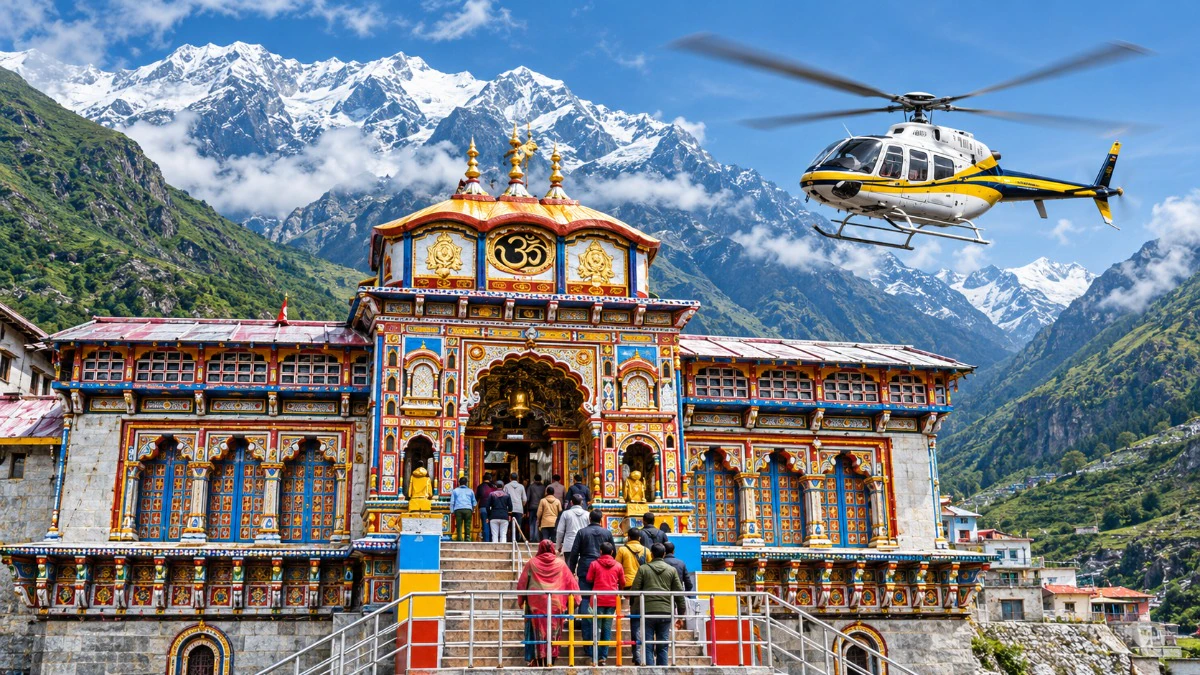
Helicopter services in the Char Dham sector will be halted from November 2 as operators have chosen not to comply with a directive from the Directorate General of Civil Aviation (DGCA) that mandates two pilots for charter flights. This decision follows the crash of a Trans Bharat Aviation helicopter on October 30, which has raised significant concerns within the industry. Operators argue that the new rule makes commercial operations financially unfeasible and does not address the root causes of accidents in the Himalayan region.

Operators have communicated to the DGCA that they will suspend services until the directive is lifted. They contend that the helicopters used for pilgrimage routes, such as the Airbus AS350/H125 and Bell 407, are single-engine aircraft certified for single-pilot operations by their manufacturers and aviation authorities. They assert that the DGCA had previously validated these certifications when the aircraft were introduced in India.

Operators also highlight that many countries, including the United States, various European nations, New Zealand, and Nepal, permit single-pilot commercial operations of these helicopter types in mountainous areas. A senior pilot with extensive experience in Himalayan operations expressed concerns about the implications of enforcing a two-pilot rule, stating that it would be unprecedented and unjustified.

Financial Implications of the New Directive

The operators have raised alarms regarding the financial impact of the DGCA’s directive. Typically, a helicopter accommodates one pilot and six passengers. The new requirement would necessitate sacrificing two passenger seats to accommodate an additional pilot, effectively reducing the revenue capacity of each flight by one-third. Furthermore, operators would incur additional costs associated with hiring a second crew member.

Industry sources indicate that helicopters, which cost between Rs 25 crore and Rs 40 crore, were purchased based on the assumption of single-pilot operations. Operators argue that these aircraft lack the payload capacity and economic feasibility to support the presence of two pilots while still carrying passengers. They assert that no other country employs such a requirement, making it an impractical directive.

Operators have also questioned the timing of the DGCA’s order, noting that it was issued prior to the commencement of an investigation by the Aircraft Accident Investigation Bureau into the recent crash. They argue that previous accidents in the sector have been primarily linked to factors such as weather conditions and decision-making rather than the workload of a single pilot.

Concerns Over Safety Infrastructure and Experienced Pilots

The operators have expressed that the DGCA’s directive fails to address critical safety infrastructure and operational deficiencies at Char Dham helipads. They have pointed out the absence of automated weather stations, flight-following systems, and standardised weather minima at these sites. Additionally, restrictions that allow only one helicopter at a time at certain helipads compel crews to expedite their operations, even under adverse weather conditions.

An aviation safety expert has described the DGCA’s directive as a reactive measure that does not tackle the fundamental risks involved in helicopter operations. According to the expert, the focus should be on improving weather monitoring and operational infrastructure rather than imposing a blanket rule that may not enhance safety.

Operators have also highlighted the shortage of experienced pilots qualified for Himalayan helicopter operations. They fear that the new directive could lead to less experienced pilots being assigned to cockpit positions, potentially compromising safety rather than enhancing it.

Manish Saini, CEO and MD of Rajas Aerosports and Adventures Pvt Ltd, stated that operators share the government’s goal of ensuring safer helicopter operations. However, he emphasised that the two-pilot requirement does not consider the design and certification of the helicopters. He warned that the suspension of services would have far-reaching consequences for the industry, as many operators have invested heavily in their aircraft and would continue to face financial burdens without operational revenue.

Long or Short, get news the way you like. No ads. No redirections. Download Newspin and Stay Alert, The CSR Journal Mobile app, for fast, crisp, clean updates!

App Store – https://apps.apple.com/in/app/newspin/id6746449540

Google Play Store – https://play.google.com/store/apps/details?id=com.inventifweb.newspin&pcampaignid=web_share

Latest News

Popular Videos
