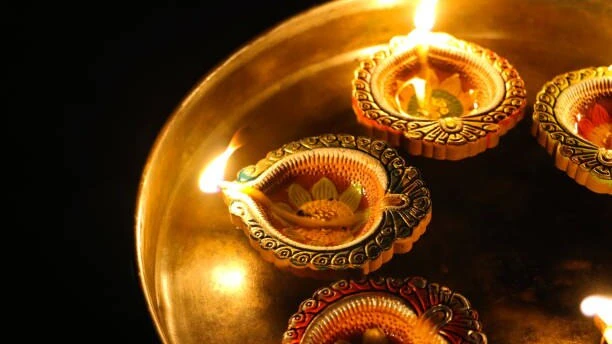
As Diwali approaches, 143 eligible prisoners in Gujarat will be allowed to celebrate the festival with their families following the state government’s approval of a 15-day parole. This initiative, commencing on November 6, coincides with Dhanteras, a significant day in the Diwali festivities. The decision is part of the Gujarat government’s ongoing efforts to reform prison policies and enhance prisoner welfare.
The eligibility for this parole scheme, established in 2003, includes women prisoners and male inmates aged above 60 years. This year, a total of 143 prisoners have been granted parole, which comprises 103 male inmates over the age of 60 and 40 women prisoners. The aim is to facilitate family reunions during the festive season, allowing these individuals to partake in the traditional celebrations.
Ineligibility and Exclusions from Parole
Despite the opportunity for many, not all prisoners qualify for this Diwali parole. The Gujarat government has outlined specific categories of inmates who are excluded from this benefit. Those convicted of severe crimes or who fall under certain disallowed categories will not be granted temporary release. This includes prisoners whose appeals are pending before the High Court, non-resident Indian (NRI) prisoners, and inmates from other states.
Furthermore, individuals serving sentences under stringent laws such as the Narcotic Drugs and Psychotropic Substances (NDPS) Act, the Prevention of Terrorism Act (POTA), and the Terrorist and Disruptive Activities (Prevention) Act (TADA) are also ineligible. The exclusions extend to those involved in terrorist activities or actions detrimental to the state’s economy. Inmates convicted in multiple criminal cases, as well as those charged with serious offences such as rape, kidnapping, robbery, dacoity, theft, and extortion, are similarly barred from participating in the Diwali parole scheme.
Additionally, prisoners against whom preventive orders have been issued are excluded from this initiative. The government has emphasised that these exclusions are necessary to maintain the integrity of the parole system and ensure that it serves its intended purpose of promoting rehabilitation and family connections.
Significance of the Parole Initiative
The annual Diwali parole initiative reflects the Gujarat government’s commitment to prisoner welfare and reform. By allowing eligible inmates to spend time with their families during significant cultural events, the initiative aims to foster a sense of community and support for those incarcerated. It is believed that such measures can contribute positively to the rehabilitation process and help maintain familial bonds.
This year’s parole will commence on November 6, providing a crucial opportunity for the selected prisoners to engage in the festivities associated with Diwali. The government’s approach not only highlights its focus on humane treatment within the prison system but also underscores the importance of cultural and familial ties in the rehabilitation of inmates.
The Gujarat government’s parole policy has been a subject of discussion since its inception, with advocates arguing that it plays a vital role in the reintegration of prisoners into society. By allowing inmates to celebrate significant festivals with their families, the government aims to support their emotional and psychological well-being, which is essential for successful reintegration after serving their sentences.
Long or Short, get news the way you like. No ads. No redirections. Download Newspin and Stay Alert, The CSR Journal Mobile app, for fast, crisp, clean updates!