


Delhi-NCR Imposes GRAP 2 Anti-Pollution Measures as AQI Surpasses 300
The CSR Journal Magazine

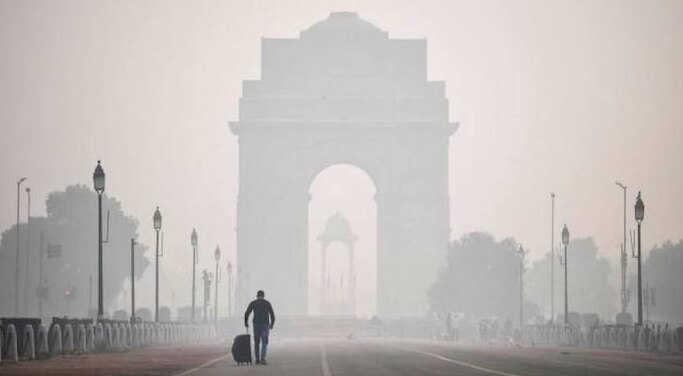
The Commission for Air Quality Management (CAQM) has activated Stage 2 of the Graded Response Action Plan (GRAP) across Delhi-NCR as the Air Quality Index (AQI) exceeded the 300 threshold, categorising it as ‘very poor’. This decision was made on Monday, just days before Diwali, which is scheduled for November 8. As of 6 pm, the AQI in Delhi was reported at 327, according to the Sameer app.

This latest set of restrictions follows the implementation of expanded winter pollution-control measures that came into effect on Sunday. These measures include limitations on the entry and operation of non-BS-VI vehicles registered outside Delhi, with exemptions granted for CNG and electric vehicles, as well as certain other categories.

Under the GRAP Stage 2 guidelines, authorities will impose increased parking charges to deter the use of private vehicles. Additionally, there will be a prohibition on the use of coal and firewood in hotels and restaurants, including for tandoors, alongside stricter regulations on diesel generator sets. Authorities have also been instructed to enhance mechanical road sweeping and water sprinkling operations to mitigate pollution levels.

Air Quality Deterioration and Forecasts

The CAQM noted a significant rise in the AQI, which escalated from 117 on October 31 to 261 on November 1, before surpassing 300 on the morning of November 6. The commission has attributed this decline in air quality to unfavourable weather conditions. Forecasts from the India Meteorological Department (IMD) and the Indian Institute of Tropical Meteorology (IITM) suggest that air quality is expected to remain in the ‘very poor’ category for the coming days.

Civic agencies have been directed to intensify dust-control operations throughout Delhi-NCR. Daily mechanical or vacuum sweeping will be mandated on identified roads, with extended shifts and longer operating hours for sweeping machines. The collected dust must be disposed of at designated sites to ensure effective management.

Water sprinkling, combined with dust suppressants, will be conducted daily on major roads and right of ways, particularly before peak traffic hours. This initiative will focus on congested areas, busy intersections, and known pollution hotspots. Inspections at construction and demolition sites will be increased to ensure compliance with dust-control regulations.

Additional Measures and Winter Action Plan

The CAQM has also recommended staggered working hours for public offices and municipal bodies in Delhi, Gurugram, Faridabad, Ghaziabad, and Gautam Buddh Nagar. Other districts in the NCR may adopt similar measures, while the central government is urged to consider staggered timings for its offices in the region. Furthermore, stricter regulations on the use of diesel generator sets will be enforced under GRAP Stage 2.

Restrictions on coal and firewood usage in hotels, restaurants, and outdoor eateries will remain in effect. All agencies are required to continue implementing the measures outlined in Stage 1 alongside the new restrictions introduced in Stage 2.

On November 5, the Delhi government implemented a winter action plan aimed at reducing air pollution. This plan includes measures such as water sprinkling to control dust, promoting public transport, and raising awareness against firecracker use. A ‘No PUC, No Fuel’ rule has also been established, requiring vehicles to possess valid Pollution Under Control certificates to obtain fuel.

Long or Short, get news the way you like. No ads. No redirections. Download Newspin and Stay Alert, The CSR Journal Mobile app, for fast, crisp, clean updates!

App Store – https://apps.apple.com/in/app/newspin/id6746449540

Google Play Store – https://play.google.com/store/apps/details?id=com.inventifweb.newspin&pcampaignid=web_share

Latest News

Popular Videos
