


BHU Faces Rs 2.65 Crore Environmental Penalty Over Illegal Felling of 33 Trees
The CSR Journal Magazine

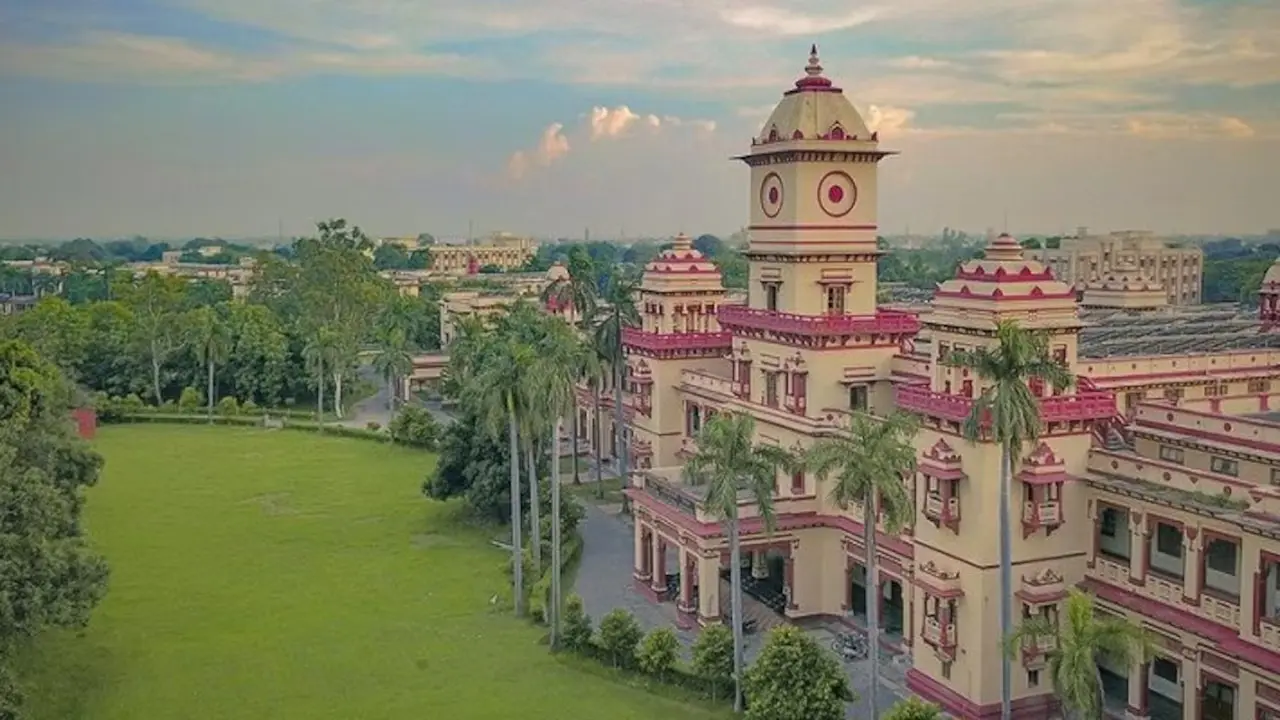
The National Green Tribunal (NGT) has mandated the Uttar Pradesh Pollution Control Board (UPPCB) to finalise proceedings to recover over Rs 2.65 crore in environmental compensation from Banaras Hindu University (BHU). This penalty arises from the illegal felling of 33 trees on its Varanasi campus. The directive, issued on July 7, was made publicly available on Thursday.

In the ruling, the tribunal’s bench, which included NGT Chairperson Justice Prakash Shrivastava and expert member Afroz Ahmad, acknowledged that the UPPCB had already assessed the compensation at Rs 2,65,06,877.08 for the unlawful removal of trees. The recovery process, however, has faced delays.

The NGT highlighted that the pollution control board had not adhered to a previous instruction requiring completion of the recovery process within three months of an order issued in August 2025. Observing the lack of compliance, the tribunal extended the deadline for the UPPCB to finalise the penalty proceedings.

Background of the Case Against BHU

This case originated from a petition filed by advocate Saurabh Tiwari, who raised concerns regarding the alleged illegal cutting of trees within BHU’s expansive 1,300-acre campus. In response to the petition, the NGT established a joint committee to investigate the claims.

The committee concluded that 33 trees had been illegally cut down, including seven sandalwood trees alongside 26 others from various species. Following these findings, the tribunal ordered the UPPCB to determine the environmental compensation and to initiate recovery proceedings within the stipulated three-month period. However, when the deadline passed without action, Tiwari returned to the NGT seeking enforcement of the earlier order.

In its responses, the UPPCB indicated to the petitioner that recovery attempts could not proceed due to certain directives from the Lucknow Bench of the Allahabad High Court and the Supreme Court. Nonetheless, during the recent hearing, UPPCB’s counsel informed the tribunal that the compensation had now been assessed and that efforts to recover the penalty had commenced.

Compensatory Measures and Ongoing Developments

During the proceedings, the tribunal took into account a report from the Divisional Forest Officer (DFO), which indicated that BHU had initiated compensatory afforestation by planting 978 trees in 2025. Of these saplings, 859 were verified as surviving and in healthy condition during an inspection.

Recognising the progress in BHU’s compensatory planting efforts, the NGT reiterated its directive for the UPPCB to complete the recovery of the environmental compensation within the newly extended three-month timeframe. The focus remains on ensuring that the university’s activities align with environmental regulations while holding it accountable for its actions.

The case exemplifies the ongoing challenges in enforcing environmental laws in educational institutions and the need for responsible practices in the management of natural resources. As the situation develops, the tribunal’s decisions will play a crucial role in shaping future compliance and accountability measures in similar cases.

Long or Short, get news the way you like. No ads. No redirections. Download Newspin and Stay Alert, The CSR Journal Mobile app, for fast, crisp, clean updates!

App Store –  https://apps.apple.com/in/app/newspin/id6746449540 

Google Play Store – https://play.google.com/store/apps/details?id=com.inventifweb.newspin&pcampaignid=web_share

Latest News

Popular Videos
