


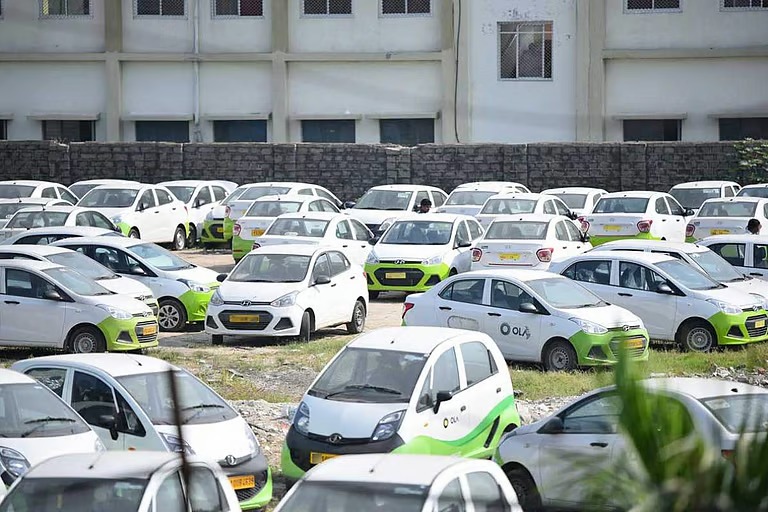

Bengaluru Man Spots 40 People Waiting for Uber While Ola Cabs Sit Idle

The CSR Journal Magazine

A Bengaluru resident, Akash Kotalwar, has sparked a discussion on consumer loyalty and behaviour following his observation at Kempegowda International Airport. During his arrival at Terminal 2, Kotalwar noted a striking discrepancy between the number of passengers waiting for Uber rides compared to those ready to board nearby Ola vehicles.

Kotalwar reported that the Uber GO pickup area had a waiting time of approximately 30 minutes, with a queue of around 30 to 40 passengers. In contrast, the Ola counter was staffed with cabs prepared for immediate departures, yet none of the passengers opted for Ola services. This prompted Kotalwar to cancel his initial Uber booking, instead choosing to upgrade to a more expensive Uber Comfort service.

Factors Influencing Customer Choices

Kotalwar theorised that the phenomenon may extend beyond the availability of rides to the broader context of consumer choices across various platforms. He pointed out that customers frequently choose Blinkit over Zepto, even when Zepto presents more competitive prices, or order from Zomato despite more attractive offers from Swiggy.

He suggested that perceptions surrounding the “psychological cost of switching” may significantly affect that decision-making process. After a long travel experience, the prospect of selecting an alternative service might feel risky and uncertain, making passengers prefer familiar platforms that provide greater predictability.

Moreover, Kotalwar asserted that consumers are often inclined to pay a premium, not strictly for the service, but for the reassurance of consistency and predictability that entrenched brands can provide. He noted that successful brands tend to concentrate less on discount-driven competition and focus more on building trust with their customers.

Online Discussions Elicit Varied Perspectives

Kotalwar’s post has ignited robust discussions online, with users expressing differing views on the rationale behind consumers’ platform choices. Some questioned whether airport passengers genuinely consider switching costs, especially when their primary focus is expedient transport after a flight.

Other commentators suggested that the preference for specific services might stem from deeper, long-standing experiences shared with these brands. One user pointed out that Uber has historically developed more customer-centric processes, unlike Ola, which has faced challenges in maintaining consistent service, particularly in its earlier operations.

This user also highlighted that Uber vehicles are generally regarded as superior, especially for airport journeys that tend to be longer, leading many passengers to favour a service they trust. Conversely, some participants voiced that comparisons involving Zepto, Swiggy, and other platforms were overly general and may not accurately reflect customer behaviour.

Many asserted that individual choices in services vary based on factors like pricing and convenience, suggesting that consumer behaviour cannot solely be understood through loyalty or habitual use. This has emphasised the complexity of brand perception and customer preferences in the modern marketplace.

Long or Short, get news the way you like. No ads. No redirections. Download Newspin and Stay Alert, The CSR Journal Mobile app, for fast, crisp, clean updates!

App Store –  https://apps.apple.com/in/app/newspin/id6746449540 

Google Play Store – https://play.google.com/store/apps/details?id=com.inventifweb.newspin&pcampaignid=web_share

Latest News

Popular Videos