


Auto-Rickshaw and Taxi Drivers Protest CNG Price Hike in Delhi Amid Rising Costs
The CSR Journal Magazine

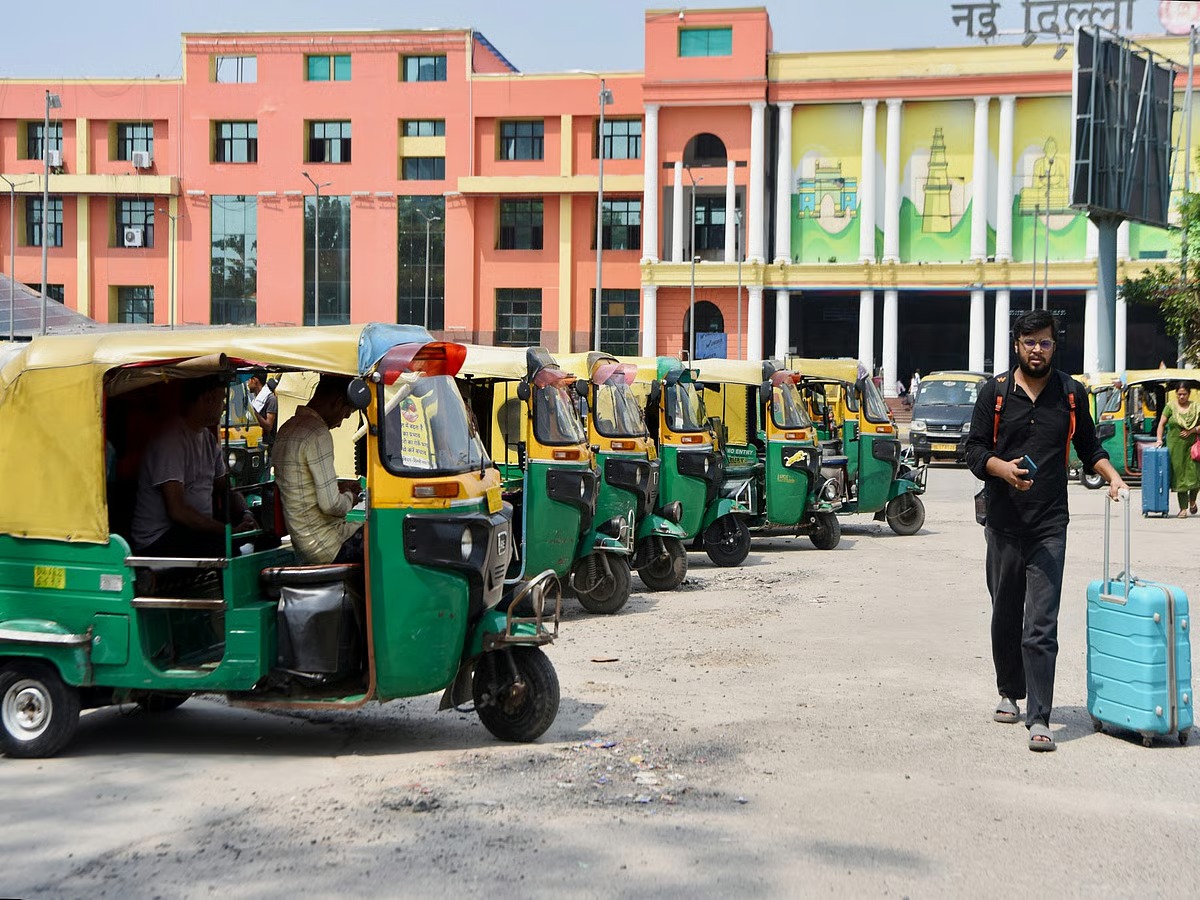
The Auto Rickshaw Association, along with the Delhi Pradesh Taxi Union, has vocally opposed the recent increase in Compressed Natural Gas (CNG) prices in the capital. General Secretary Rajendra Soni expressed that both auto-rickshaw and taxi drivers are grappling with escalating operating costs and are reluctant to transfer these financial burdens to passengers.

In a statement regarding the price hike, Soni highlighted that CNG costs have seen an increment of Rs 10-12 over the last two-and-a-half to three months. He also expressed frustration over the lack of engagement from the government’s side, citing multiple requests for a meeting that have gone unanswered. “We do not want to burden the people of Delhi. Over the past two and a half to three months, CNG prices have increased by Rs 10-12. We have written several letters to the government requesting a meeting to discuss the problems faced by auto-rickshaw and taxi drivers. It has been one and a half years since the government came to power, but nothing has been done,” Soni remarked.

The opposition to the price increase comes in the wake of an announcement by Indraprastha Gas Limited (IGL), which declared a CNG price revision of Rs 3.89 per kg, effective from 6 am on August 29. This revision aims to address the rising costs associated with gas procurement, which have been significantly influenced by volatility in international energy markets.

According to IGL, the recent price adjustment is a response to climbing input gas costs that have arisen amid international market instability. The company noted that global spot LNG prices have nearly doubled, largely attributed to heightened conflicts in West Asia that have disrupted LNG cargo shipments through the Strait of Hormuz. Additionally, the approaching winter season has spurred increased demand in Europe.

IGL stated that this latest price hike serves as a calibrated adjustment intended to partially mitigate the effects of higher input gas costs while ensuring a stable supply. This has led to a gradual rise in Delhi’s retail CNG price, which has increased from Rs 77.09 per kg to Rs 83.09 per kg, representing an approximate escalation of 7.8 per cent.

Further elaborating on the situation, IGL pointed out the dramatic surge in international gas prices. The European TTF gas benchmark has risen from around USD 11.36 per MMBTU to USD 23.35 per MMBTU, while Asia’s JKM LNG benchmark saw an increase from around USD 10.99 per MMBTU to USD 23.41 per MMBTU.

In their statement, IGL insisted that strategies for sourcing and measured price adjustments have effectively shielded domestic consumers, including daily commuters and public transport operators, from the full brunt of the ongoing global energy crisis.

As tensions mount over the impact of rising gas costs, the dialogue between government authorities and transport unions appears critical in addressing the economic challenges faced by drivers while ensuring fair pricing for commuters in the capital.

Long or Short, get news the way you like. No ads. No redirections. Download Newspin and Stay Alert, The CSR Journal Mobile app, for fast, crisp, clean updates!

App Store – https://apps.apple.com/in/app/newspin/id6746449540

Google Play Store – https://play.google.com/store/apps/details?id=com.inventifweb.newspin&pcampaignid=web_share

Latest News

Popular Videos
