


Arctic Ocean Reaches Point of No Return Following Irreversible Changes
The CSR Journal Magazine

A significant turning point has been identified in the Arctic Ocean, according to a study conducted by researchers at the University of Edinburgh. The investigation asserts that the ocean crossed a crucial threshold around 2009, initiating a series of alterations that are now disturbing its food web from the bottom upwards.

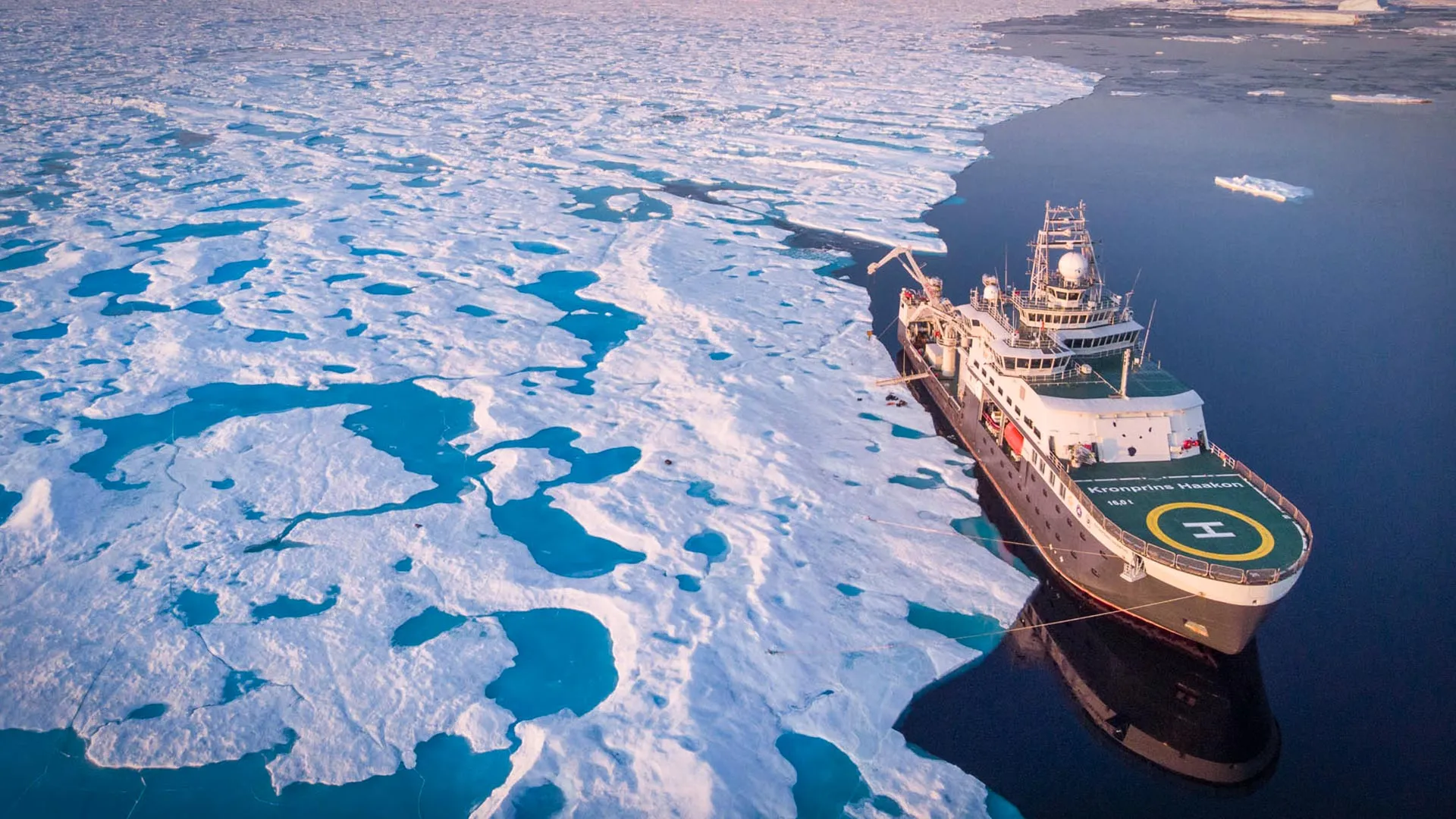
The researchers have emphasised that the melting of sea ice, which has been occurring steadily for decades due to rising global temperatures, is the primary factor influencing the changing ecosystem. As the ice diminishes, extensive shallow areas of the Arctic seabed, which lie beneath nearly half of the ocean, become exposed to sunlight for the first time.

This exposure to sunlight accelerates a chemical reaction that transforms nitrate—a key nutrient—into nitrogen gas, effectively removing it from the water. Since nitrate is essential for the growth of plankton, its depletion has substantial implications for various marine species, including fish, seabirds, and marine mammals.

Consequences of Diminished Nutrients

Marta Santos-Garca, a PhD student and co-leader of the study, articulated that the anticipated increase in phytoplankton growth due to the loss of sea ice is no longer valid. Instead, the Arctic Ocean appears to have shifted from a system primarily constrained by light availability to one increasingly limited by the availability of nitrate. This shift can significantly impact marine ecosystems and food chains, as well as the Arctic’s role in the global climate.

The research team analysed over 20 years of data collected from Arctic waters, revealing a consistent decline in nitrate levels beginning in 2009, coinciding with a rapid reduction in sea ice. This correlation highlights the serious implications this change presents.

With the reduction of nitrate in the water, smaller plankton species can survive, resulting in reduced food supply for various marine organisms reliant on them. Additionally, the ocean’s capability to absorb carbon from the atmosphere is diminished, as plankton are crucial to that process.

Long-term Impact and Future Monitoring

According to Professor Raja Ganeshram, who led this research initiative, the alterations documented in the study indicate that the Arctic Ocean ecosystem crossed a tipping point around 2009. It is critical to closely monitor how these changes cascade through the food chain, given their profound implications, including for commercial fishing operations in the North Atlantic Ocean.

The permanence of these findings raises alarming concerns. The decline in nitrate levels is intrinsically linked to ongoing sea ice melt, which is unlikely to reverse in the foreseeable future. As a result, it is highly improbable that the Arctic Ocean will return to its original condition, rendering it a system diagnosed with an irreversible change.

Current trends in climate change indicate that the situation may at best remain unchanged, implying that the trajectory is set to decline further. This ongoing scenario requires significant attention and action to understand and potentially mitigate its long-term effects on both marine life and global climate conditions.

Long or Short, get news the way you like. No ads. No redirections. Download Newspin and Stay Alert, The CSR Journal Mobile app, for fast, crisp, clean updates!

App Store –  https://apps.apple.com/in/app/newspin/id6746449540 

Google Play Store – https://play.google.com/store/apps/details?id=com.inventifweb.newspin&pcampaignid=web_share

Latest News

Popular Videos
