


California’s Beaches Exhibit Blue Glow Due to Bioluminescent Organisms
The CSR Journal Magazine

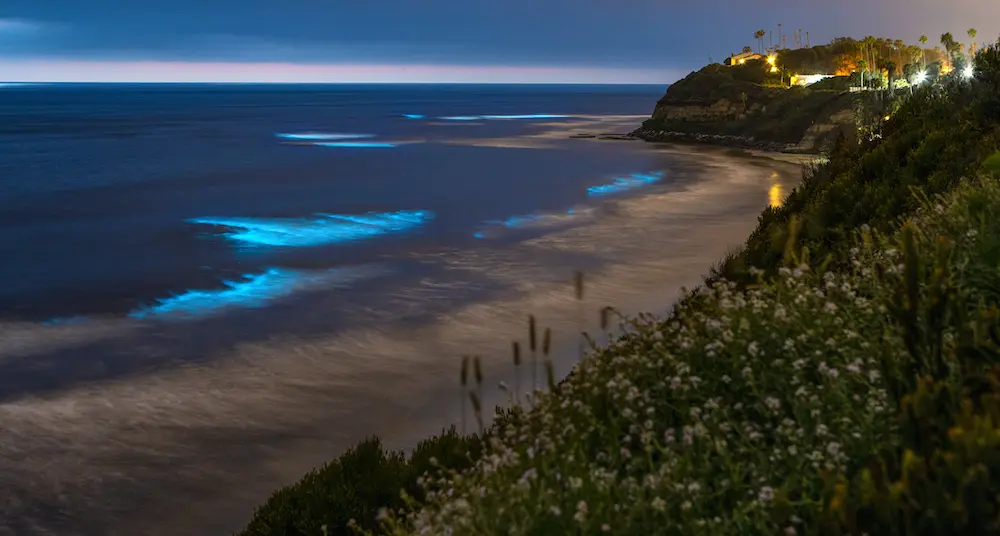
California’s beaches are renowned for their striking blue glow at night, a spectacle attributed to bioluminescence. This natural phenomenon occurs when certain organisms emit light, creating an enchanting effect along the coastline. The glow is especially visible during the darker hours, captivating residents and visitors alike.

Bioluminescence results primarily from phytoplankton, tiny marine organisms that thrive in warm coastal waters. When disturbed, these organisms produce light through a biochemical reaction involving a specific enzyme and a molecule called luciferin. This interaction generates a blue hue, which can illuminate the shoreline and waves.

Seasonal Patterns and Environmental Conditions

The occurrence of this bioluminescent phenomenon is not constant; it peaks during certain times of the year, generally between late spring and early autumn. Warm water temperatures coupled with nutrient-rich conditions promote the proliferation of these microorganisms. Specific weather patterns and ocean currents also play a role in the visibility and intensity of the glow.

During particular periods, such as after heavy rainfall, the influx of nutrients into the ocean can stimulate extensive blooms of bioluminescent phytoplankton. These blooms can transform entire stretches of beach into sparkling blue landscapes. Additionally, storms can create conditions that enhance the visibility of the luminescence, attracting even more attention to California’s shores.

Global Context and Significance of Bioluminescence

While California’s beaches are famous for their bioluminescent displays, similar phenomena occur in various locations worldwide. Beaches in places like Puerto Rico and the Maldives also showcase remarkable bioluminescence, often attributed to similar types of marine organisms. The occurrence in these regions draws significant tourist interest, contributing to local economies through eco-tourism.

Researchers continue to study bioluminescent organisms for their ecological roles and potential applications. Understanding the mechanisms behind this light production may provide insights into various scientific fields, including biotechnology and environmental monitoring. The ability of these organisms to react to changes in their environment, as indicated by their luminescence, is of particular interest to scientists.

Conservation of coastal ecosystems is paramount to maintaining these bioluminescent phenomena. As urban development and pollution threaten marine environments, preserving the natural balance is essential. Ensuring clean water and a healthy ecosystem will be vital in sustaining the vibrant displays of bioluminescence that many have come to admire along California’s coast.

Long or Short, get news the way you like. No ads. No redirections. Download Newspin and Stay Alert, The CSR Journal Mobile app, for fast, crisp, clean updates!

App Store –  https://apps.apple.com/in/app/newspin/id6746449540 

Google Play Store – https://play.google.com/store/apps/details?id=com.inventifweb.newspin&pcampaignid=web_share

Latest News

Popular Videos
