


April 14 Sees Diverse New Year Celebrations Across India
The CSR Journal Magazine

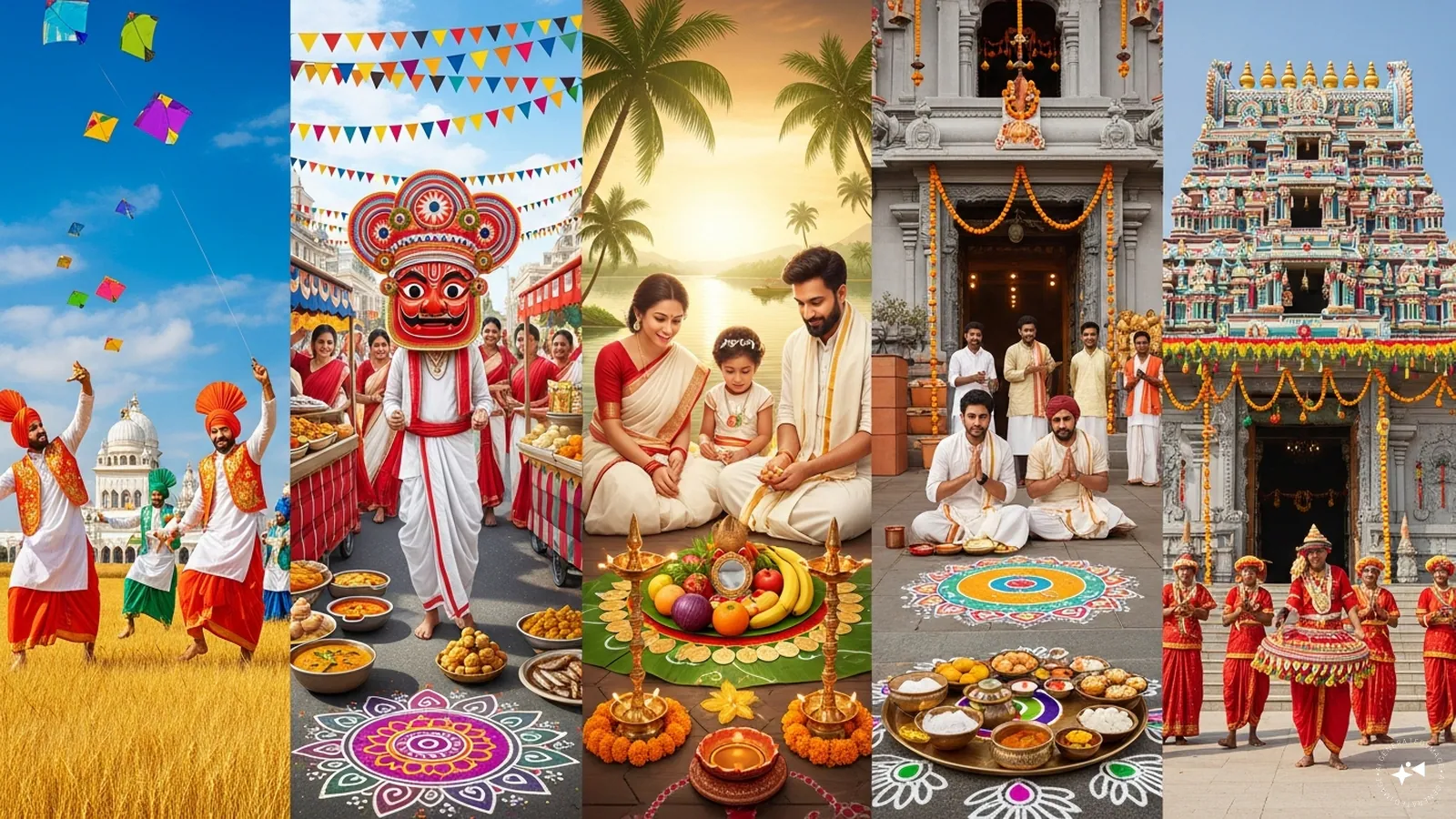
\April 14 marks a significant day in India, filled with various regional New Year festivities. From Punjab to Assam and Bengal to Kerala, the celebrations share a common thread of marking renewal and abundance. The festivities associated with this date include Baisakhi in the north, Poila Boishakh in the east, Rongali Bihu in the northeast, and Vishu in the south, each unique in its rituals and culinary traditions.

The essence of these celebrations lies in their connection to the solar calendar and the agricultural cycles. This period signifies the harvest of rabi crops, prompting expressions of gratitude primarily through food rather than words. The shared timing of these festivals, though culturally distinct, reflects a collective celebration of life and abundance.

In Punjab, Baisakhi serves as both a harvest festival and a moment of historical remembrance, commemorating the establishment of the Khalsa in 1699. Similarly, Rongali Bihu in Assam heralds the start of the agricultural season, marked by music, vibrant dance, and feasting that celebrates both tradition and the land.

Diverse Festive Traditions Across Regions

Different regions of India emphasise various aspects of renewal during these festivals. In Bengal, Poila Boishakh centres around the commencement of new trade cycles, where shopkeepers ceremonially open fresh ledgers, and families come together for elaborate meals. This celebration, while subtle in its rituals, conveys a strong message of hope and sweetness, both literally and metaphorically.

In Kerala, the observance of Vishu begins with the Vishukkani, an arrangement of rice, fruits, gold, and flowers, intended to be the first sight at dawn. This tradition embodies the belief that one must visualize abundance before it can be experienced. Each of these celebrations reflects distinct cultural values, ranging from agricultural gratitude to commercial optimism and spiritual reflection.

The culinary offerings associated with these festivals also differ significantly. In Punjab, the table is dominated by hearty dishes that exemplify local flavours, while in Bengal, the spread showcases a rich variety of delicacies that are nearly ceremonial in nature. These distinct culinary choices illuminate the broader narrative of cultural diversity across the nation.

Feasting as a Central Theme

Food plays an integral role in the celebrations of April 14, serving as both a marker of abundance and a means of uniting communities. In Punjab during Baisakhi, traditional dishes such as meetha chawal, kada prasad, and jalebi reflect the spirit of festivity and generosity. Similarly, the Bengali Poila Boishakh offerings include shukto, luchi, and mishti doi, crafted to ensure the year begins on a bountiful note.

Assam’s Rongali Bihu highlights more intimate culinary traditions, with handmade delicacies such as pitha and jolpan being prepared at home, showcasing the art of familial and cultural continuity. In contrast, Vishu’s sadya in Kerala presents a thoughtfully curated meal, served on a banana leaf, representing the entirety of the state’s agricultural bounty.

Even as urban India adapts these festivals within modern settings, the essence remains intact. Communities continue to gather and share meals, rooted in their rich traditions while also embracing contemporary influences. The commitment to celebrate together, despite changing lifestyles, upholds the significance of these festivities across the nation.

Long or Short, get news the way you like. No ads. No redirections. Download Newspin and Stay Alert, The CSR Journal Mobile app, for fast, crisp, clean updates!

App Store –  https://apps.apple.com/in/app/newspin/id6746449540 

Google Play Store – https://play.google.com/store/apps/details?id=com.inventifweb.newspin&pcampaignid=web_share

Latest News

Popular Videos
