


Annamalai Opposes Mid-Session Implementation of Centre’s Three-Language Rule
The CSR Journal Magazine

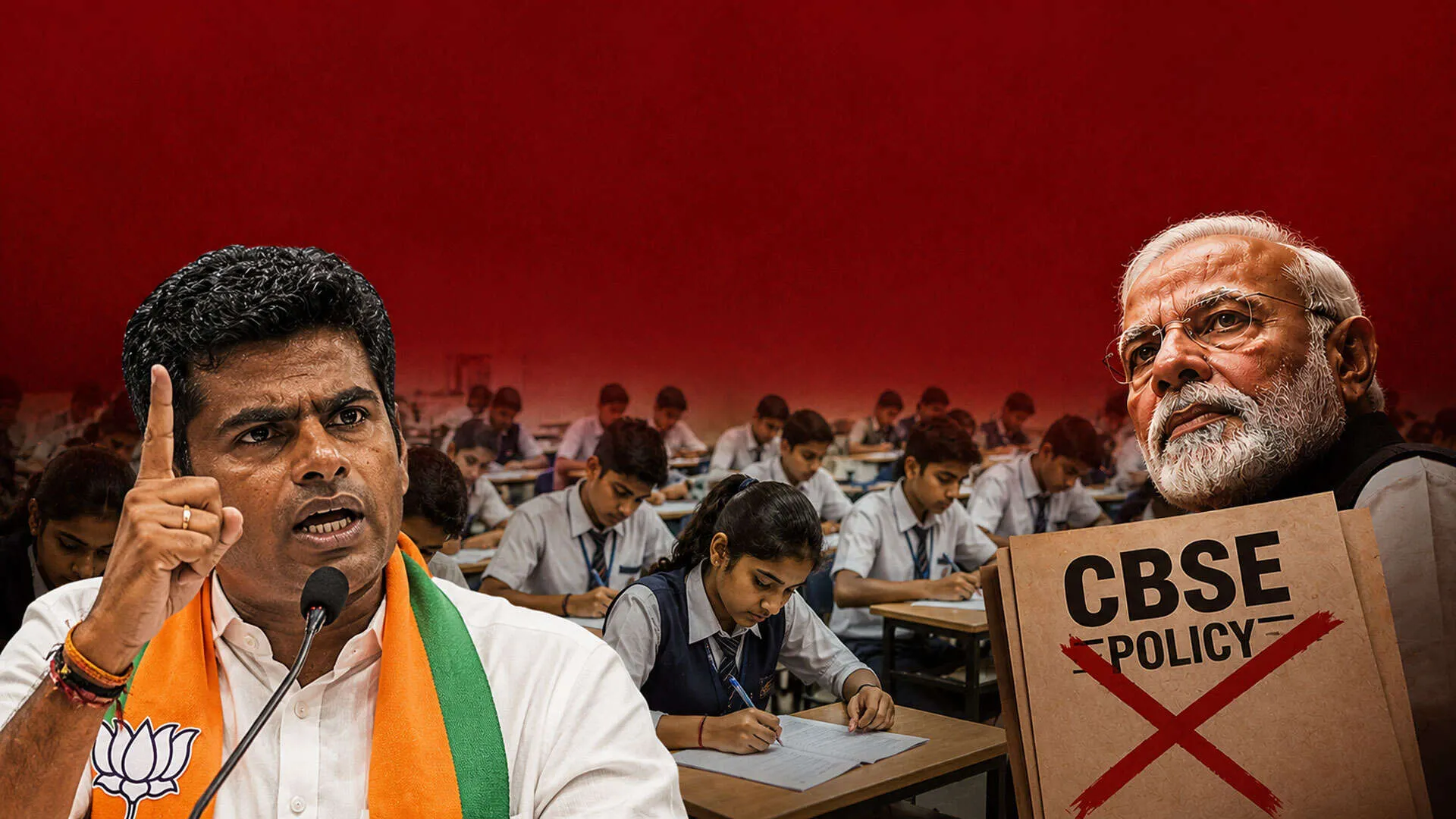
DMK leader K. Annamalai has voiced his discontent regarding the Centre’s decision to implement the three-language policy during the current academic session. He characterised this move as causing unnecessary mental stress to students and educators alike. Annamalai emphasised that executing such a significant policy change mid-session disrupts the established learning process, unfairly burdening those already engaged in their courses.

He asserted that the introduction of an additional language at this stage could create confusion among students who are focused on their syllabus. Annamalai suggested that such changes should be approached with careful planning and sufficient time for schools to adapt, rather than being forced into immediate effect.

Moreover, he highlighted that many institutions may not have the required resources or trained personnel to implement the policy effectively. This lack of preparedness could lead to further complications, exacerbating the academic pressure on students.

Reaction from Educational Institutions

Educational institutions have also expressed concern regarding the abrupt nature of the policy’s introduction. Various principals and teachers have noted that the mid-session implementation could hinder the continuity of education, particularly in areas where the three-language formula has not been part of the existing curriculum. Many schools may lack the infrastructure and learning materials necessary for the effective teaching of an additional language.

Several educators have called for a postponement of the implementation until the next academic year, allowing time for adequate preparation and training for faculty members. This would also provide students with a more stable learning environment, minimising the disruption caused by the new rule.

Furthermore, some teachers raised concerns about the content and structure of language education in their existing programmes. They noted that introducing a new language could dilute the quality of education provided, as resources and attention might be diverted from other subjects.

Government’s Justification for Policy Change

In response to the criticism, government officials have reaffirmed their commitment to promoting multilingualism among students. They argue that the three-language policy is essential for enhancing linguistic skills and cultural understanding among young learners. According to the Centre, this initiative aims to equip students with proficiency in multiple languages, thereby increasing their competitiveness in an increasingly globalised job market.

The policymakers have stated that the implementation is intended to foster better communication and collaboration among diverse linguistic communities within India. They believe that effective execution of the three-language plan will ultimately yield long-term benefits for students in terms of academic and professional opportunities.

Officials also assured stakeholders that adequate support programmes would accompany the new policy, including training for teachers and resources for schools. They intend to monitor its impact closely to ensure that students’ academic performance is not adversely affected during the transition.

Future Prospects for Language Education

The debate over the three-language policy continues as various parties weigh the advantages and disadvantages of such a transformative educational reform. Many stakeholders within the education sector are advocating for clear guidelines and a phased approach to ensure that the policy does not compromise the quality of education.

Ultimately, stakeholders will be looking to see if the government will heed the concerns raised by educators and parents as they navigate this significant change in language policy. The resolution of this issue could set a precedent for future educational reforms and their impact on students across the country.

As the academic year progresses, the situation surrounding the three-language policy will remain a focal point of discussion among educational authorities, with many watching closely to see how the government adapts its strategy in response to the ongoing challenges reported by schools.

Long or Short, get news the way you like. No ads. No redirections. Download Newspin and Stay Alert, The CSR Journal Mobile app, for fast, crisp, clean updates!

App Store –  https://apps.apple.com/in/app/newspin/id6746449540 

Google Play Store – https://play.google.com/store/apps/details?id=com.inventifweb.newspin&pcampaignid=web_share

Latest News

Popular Videos
