


Allahabad HC Declares No Unilateral Right Over Public Land for Religious Gatherings
The CSR Journal Magazine

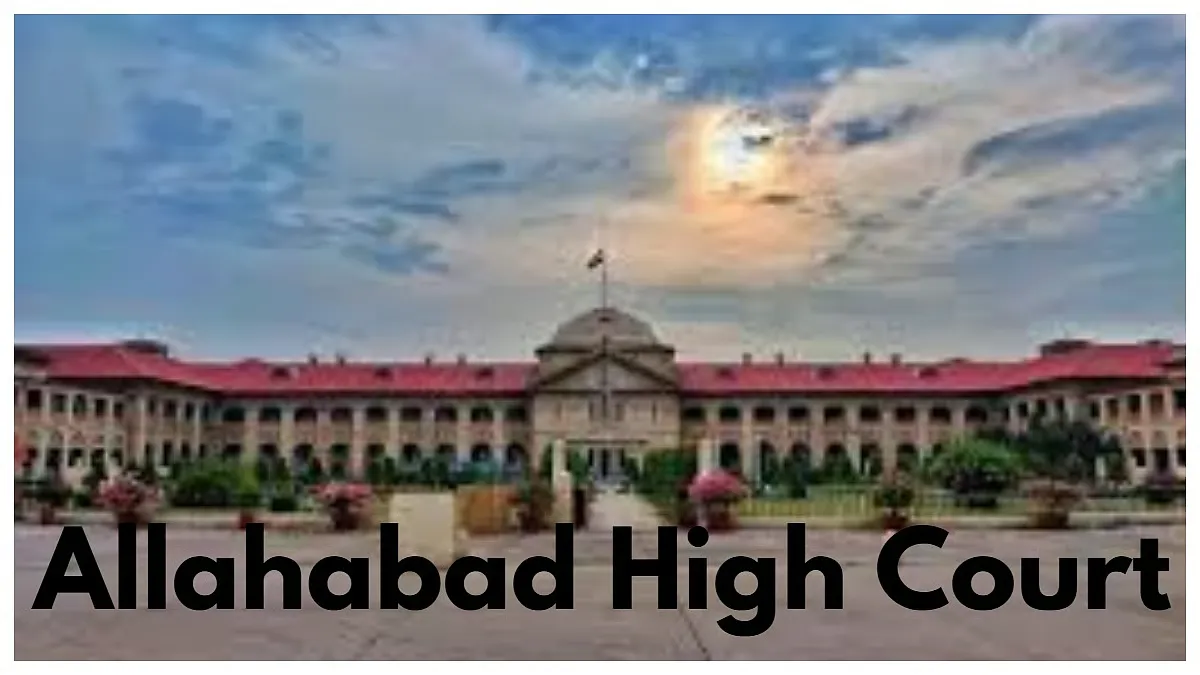
The Allahabad High Court recently issued a significant ruling regarding the use of public land for religious gatherings, stating that no individual or group possesses an exclusive right to such spaces. The judgement highlights the need for equitable access and consideration of various community interests in relation to public property.

This ruling arose from a legal challenge involving the management of public land in the region, where certain religious groups sought to claim rights over specific areas for their gatherings. The court emphasised the need for a balanced approach, ensuring that public spaces remain accessible to all segments of society, thereby preventing any monopolisation by particular factions.

According to the judgement, public land should serve the collective interest of the community and cannot be unilaterally appropriated for any single religious purpose. This sets a crucial precedent, reaffirming the rights of citizens to utilise public properties irrespective of their religious affiliations.

Implications for Religious Organisations

The implications of this ruling extend to various religious organisations that often conduct events on public land. Such entities may now need to reassess their plans and approach towards hosting gatherings in public areas. The judicial directive calls for clear regulations governing the use of such spaces to ensure transparency and fairness.

Religious groups will likely be required to seek permission in advance and follow established protocols if they wish to conduct large events on public land. This measure aims to mitigate conflicts and enhance coordination among different community stakeholders. It further underscores the necessity for a collaborative framework between local authorities and religious organisations.

Furthermore, some community leaders have expressed concerns about how this decision may affect the feasibility of conducting religious events, particularly during major festivals. The ruling could lead to increased scrutiny of the use of public spaces, making it essential for organisations to engage more comprehensively with local governance structures.

Community Reactions and Future Considerations

Local authorities now face the challenge of implementing this ruling in a manner that respects both the spirit of the law and the sentiments of various religious groups. This entails creating clear guidelines that allow for the lawful and responsible use of public land while also accommodating the needs of the wider community.

As a response to the judgement, it is expected that public consultations will be conducted to address community concerns and outline practical parameters for the use of these spaces. The courts’ emphasis on inclusivity serves as a reminder that public land should reflect the interests of the whole community, rather than being dominated by specific groups.

In conclusion, the Allahabad High Court’s ruling stands as a pivotal moment in the discourse surrounding public land use for religious purposes. By reinforcing the principle that no unilateral rights exist over public spaces, the court has opened the door for a more collaborative and equitable approach to planning events that involve large gatherings among diverse religious communities.

Long or Short, get news the way you like. No ads. No redirections. Download Newspin and Stay Alert, The CSR Journal Mobile app, for fast, crisp, clean updates!

App Store –  https://apps.apple.com/in/app/newspin/id6746449540 

Google Play Store – https://play.google.com/store/apps/details?id=com.inventifweb.newspin&pcampaignid=web_share

Latest News

Popular Videos
