


Zomato Imposes Zero-Tolerance Ban on Fake and Analogue Paneer
The CSR Journal Magazine

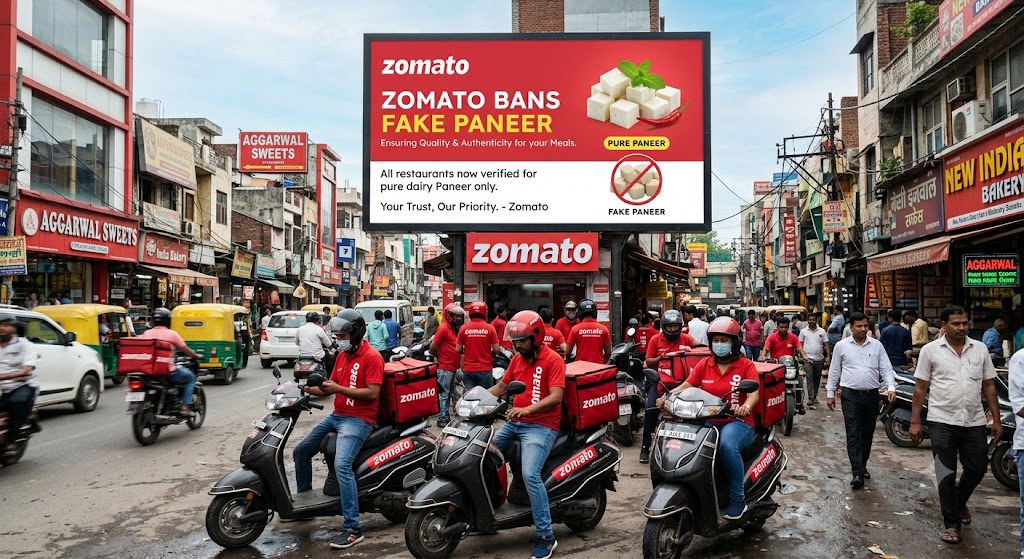
Zomato has announced a new zero-tolerance policy regarding the sale of dishes made with analogue dairy products. This was declared on September 1, 2026, and the policy will take effect immediately. The food delivery service stated that any restaurant found in violation of this policy may be removed from the platform. Zomato has also indicated that dishes already identified as containing analogue dairy by restaurant partners have been delisted from their service.

Despite the reassurances offered by Zomato, there are significant concerns regarding how the company will ensure compliance. Many users on social media have raised the question of how restaurants will be held accountable if they fail to declare the use of analogue dairy products. The prevailing sentiment is that if a restaurant is already using cheaper substitutes, there is little incentive for them to voluntarily disclose this information to the platform.

The alarming trend of using analogue dairy alternatives, particularly paneer, has attracted increasing scrutiny across India. States such as Karnataka, Maharashtra, and Gujarat have enacted bans on the production and sale of these substandard products. This legislative response highlights the widespread concern over food authenticity and safety in Indian cuisine.

Public Skepticism Regarding Food Declaration

Another user, Nalini Unagar, addressed her concerns in detail, questioning how Zomato would verify the authenticity of ingredients like paneer tikka masala. Unagar shared her frustration at Zomato’s previous responses to consumer complaints, which often deflect responsibility back to the restaurants. This situation raises the critical issue of accountability for food quality on the platform.

Unagar’s remarks further illuminated a significant gap in the verification process. She questioned what mechanisms Zomato will employ to ascertain whether a restaurant is genuinely complying with the new policy or merely claiming to do so. The demand for clarity on this issue has become a central theme among users discussing the ban.

Challenges in Detecting Analogue Paneer

Another layer of complexity in enforcing this policy lies in the challenges associated with identifying analogue paneer. Tests being circulated, such as the viral iodine test, are insufficient for determining the authenticity of paneer. Food scientists have noted that such tests can only detect starch and do not effectively identify whether paneer is adulterated or fake. This raises concerns about how consumers can protect themselves from substandard products.

Analogue paneer itself is a substitute for traditional dairy paneer, using non-dairy ingredients to replicate the texture and taste of real paneer. Commonly, cheaper vegetable oils may replace milk fat, which differentiates it from authentic dairy products. The ongoing debate over this issue underscores the need for reliable verification standards that can be effectively enforced.

Zomato’s promise of zero tolerance for dishes using such products has led to further questions about its enforcement mechanisms. The organisation has been approached for clarification regarding the steps they will take to monitor compliance with this policy. As of now, no official response has been provided on the measures they will employ to ensure that restaurants follow the new guidelines.

Long or Short, get news the way you like. No ads. No redirections. Download Newspin and Stay Alert, The CSR Journal Mobile app, for fast, crisp, clean updates!

App Store –  https://apps.apple.com/in/app/newspin/id6746449540 

Google Play Store – https://play.google.com/store/apps/details?id=com.inventifweb.newspin&pcampaignid=web_share

Latest News

Popular Videos
