


Uttar Pradesh Elections Indicate Political Shifts Ahead of 2027 Elections
The CSR Journal Magazine

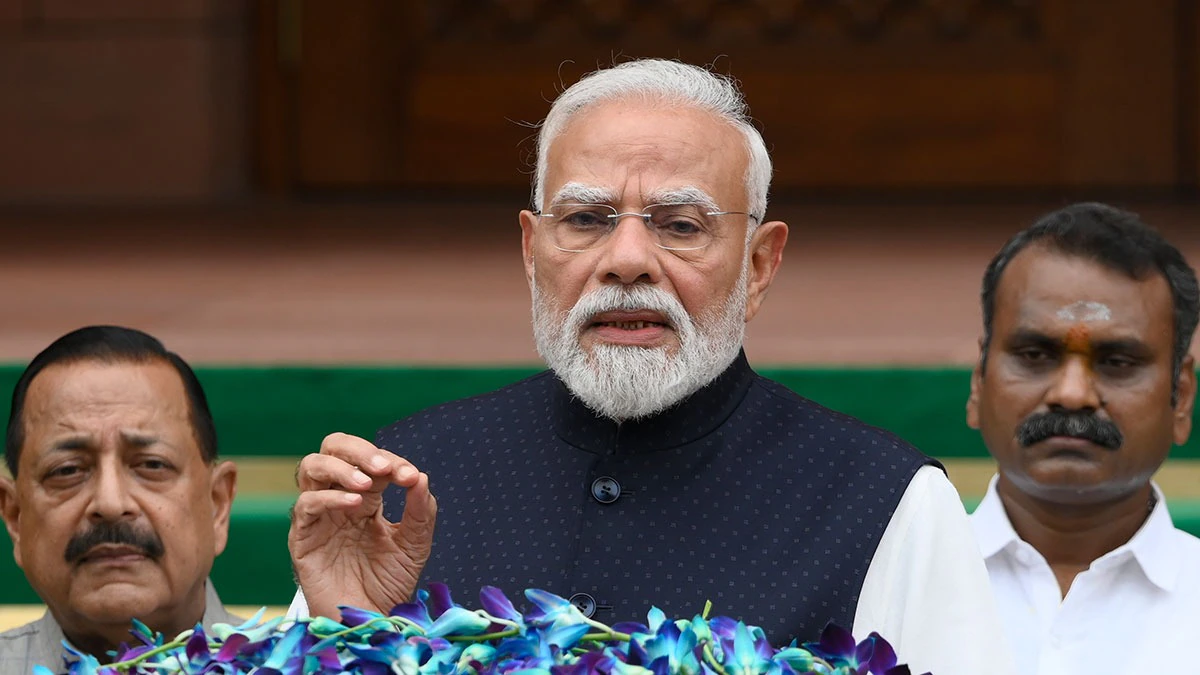
The recent Uttar Pradesh legislative council elections on October 29 revealed significant political shifts, with the BJP losing both Varanasi seats to the Samajwadi Party (SP). This outcome occurred despite extensive campaigning by nine ministers and seven MLAs in Prime Minister Narendra Modi’s constituency. In Maharashtra, Congress candidate Abhijeet Wanjari retained the graduates’ seat in Nagpur by a margin of 3,271 votes. Overall, the BJP secured 13 out of 28 teachers’ and graduates’ seats across four states, while the National Democratic Alliance (NDA) won 16, a decrease from 18 in previous elections.

The Congress party managed to secure only one seat in Nagpur and lost all four seats in Karnataka, a performance that Modi publicly mocked. These results indicate neither a significant anti-BJP sentiment nor a revival of the Opposition, but rather highlight existing fault lines ahead of more substantial electoral challenges.

Upcoming Elections in Seven States

In 2027, seven states comprising 940 assembly constituencies and 132 Lok Sabha seats will hold elections. Uttar Pradesh, Punjab, Uttarakhand, Goa, and Manipur are expected to vote first between February and March, followed by Gujarat and Himachal Pradesh later in the year. The BJP currently governs five of these states, while the Congress leads in Himachal Pradesh and the Aam Aadmi Party (AAP) holds power in Punjab.

The BJP controls 557 of the 940 assembly seats, with its allies holding an additional 47. This gives the NDA a total of 616 seats, nearly two-thirds of the total. The Congress holds 98 seats, while AAP has 101, primarily in Punjab. Uttar Pradesh and Gujarat alone account for 585 assembly seats and 106 Lok Sabha seats, making their retention crucial for the BJP’s recovery following a reduced tally in the 2024 Lok Sabha elections.

The upcoming assembly elections will serve as a litmus test for the political authority of the central government and the credibility of its challengers ahead of the 2029 general election. While defeats may not threaten the Union government’s majority, they could raise questions about the BJP’s resilience following its setbacks in 2024.

State-Specific Challenges and Dynamics

In Punjab, the AAP, which won 92 of the 117 seats in 2022, faces scrutiny over various issues, including drugs and employment. The Congress, despite internal divisions, sees an opportunity to regain influence after winning seven of Punjab’s 13 Lok Sabha seats in 2024. In Uttarakhand, the BJP won 47 of 70 assembly seats in 2022, but local discontent may challenge its hold on power.

Goa presents a different landscape, where the BJP has governed since 2012. The Congress faces challenges in retaining its elected representatives, having lost several MLAs to the BJP. In Manipur, ongoing ethnic violence complicates the political situation, with the BJP needing to address community divisions while the Congress seeks to provide a credible alternative.

Himachal Pradesh offers a contrasting scenario, where the Congress won 40 of 68 seats in 2022. However, the party faces fiscal pressures that could affect its incumbency. The political landscape is further complicated by the emergence of youth movements, such as the Cockroach Janta Party, which has mobilised around issues like unemployment and institutional accountability.

Long or Short, get news the way you like. No ads. No redirections. Download Newspin and Stay Alert, The CSR Journal Mobile app, for fast, crisp, clean updates!

App Store – https://apps.apple.com/in/app/newspin/id6746449540

Google Play Store – https://play.google.com/store/apps/details?id=com.inventifweb.newspin&pcampaignid=web_share

Latest News

Popular Videos
