


WHO Issues Advisory on Global Risk from Hantavirus Linked to Cruise Ship
The CSR Journal Magazine

A recent hantavirus outbreak associated with a cruise ship has garnered international attention due to its notably high fatality rate. While rates can soar to as much as 50 per cent in parts of the Americas, they remain below 15 per cent in Europe and Asia. The World Health Organisation (WHO) has stipulated that the overall global risk arising from this outbreak is still low. The situation was first reported to the WHO on May 2 by the United Kingdom in accordance with International Health Regulations.

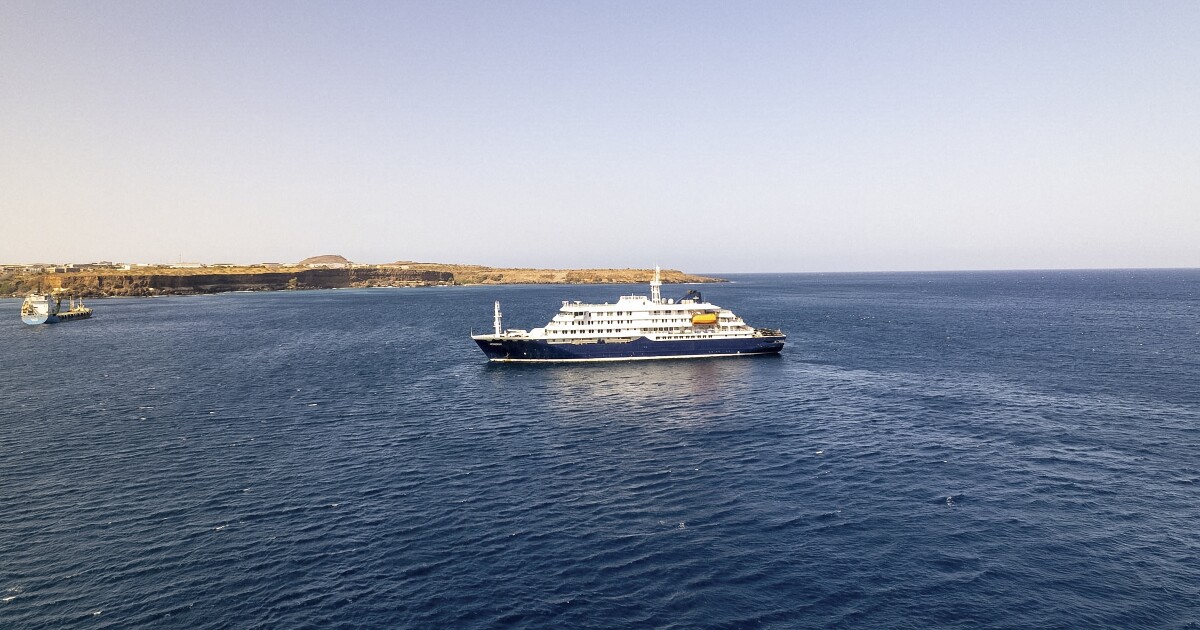
The incident involves a Dutch-flagged cruise ship that was transporting 147 passengers and crew. As of May 4, seven cases of suspected hantavirus infections had been identified. Among these cases, two were laboratory-confirmed infections, and five were classified as suspected cases. Tragically, three individuals have died, while one patient is critically ill in intensive care. Three others are experiencing mild symptoms, according to WHO statements.

The severity of hantavirus cardiopulmonary syndrome (HCPS) is highlighted by the 43 per cent mortality rate in this cluster, with deaths reported in relation to the seven cases. HCPS is noted for its rapid deterioration and is primarily caused by exposure to orthohantaviruses, which are typically found in rodent populations.

Details of the Investigation

The cruise ship featured 88 passengers and 59 crew members, having set sail from Ushuaia, Argentina, on April 1. The vessel’s itinerary included remote locations in the South Atlantic, such as Antarctica and various isolated islands. Investigators are currently assessing whether passengers were exposed to infected rodents or contaminated environments during shore excursions or before boarding the ship.

The initial reported case manifested symptoms on April 6 and deteriorated rapidly, leading to death shortly after. A second confirmed case, which involved close contact with the first patient, subsequently resulted in another death following evacuation to South Africa, where laboratory tests confirmed hantavirus infection. A third patient remains in intensive care, while an adult woman reportedly succumbed to the illness on May 2.

Onboard, three additional suspected cases are under examination as the vessel remains anchored off Cabo Verde. Coordination has been established among international health teams for isolation, testing, and potential medical evacuations.

Global Response and Future Monitoring

Health authorities worldwide have commenced contact tracing, particularly amongst passengers who disembarked or travelled internationally. While the situation is serious, experts assert that outbreaks tend to self-limit due to the transmission dynamics of the virus. Currently, there are no specific antiviral treatments or widely available vaccines for hantavirus, emphasising the importance of early detection and supportive care for affected individuals.

The WHO is committed to ongoing surveillance of the outbreak as investigations into its origins and impact proceed. In a related context, data from 2025 reported 229 hantavirus cases and 59 deaths across eight countries in the Americas, resulting in a case fatality rate of 25.7 per cent. In contrast, 1,885 hantavirus infections were documented in Europe in 2023, marking the lowest incidence between 2019 and 2023.

In East Asia, particularly in China and the Republic of Korea, hantavirus haemorrhagic fever with renal syndrome (HFRS) remains a significant health issue, accounting for thousands of cases annually. However, the incidence rate has seen a decline in recent decades, according to the WHO’s assessments.

Long or Short, get news the way you like. No ads. No redirections. Download Newspin and Stay Alert, The CSR Journal Mobile app, for fast, crisp, clean updates!

App Store –  https://apps.apple.com/in/app/newspin/id6746449540 

Google Play Store – https://play.google.com/store/apps/details?id=com.inventifweb.newspin&pcampaignid=web_share

Latest News

Popular Videos
