


WHO Declares Ebola Outbreak in Congo and Uganda a Global Health Emergency, After 88 Deaths
The CSR Journal Magazine

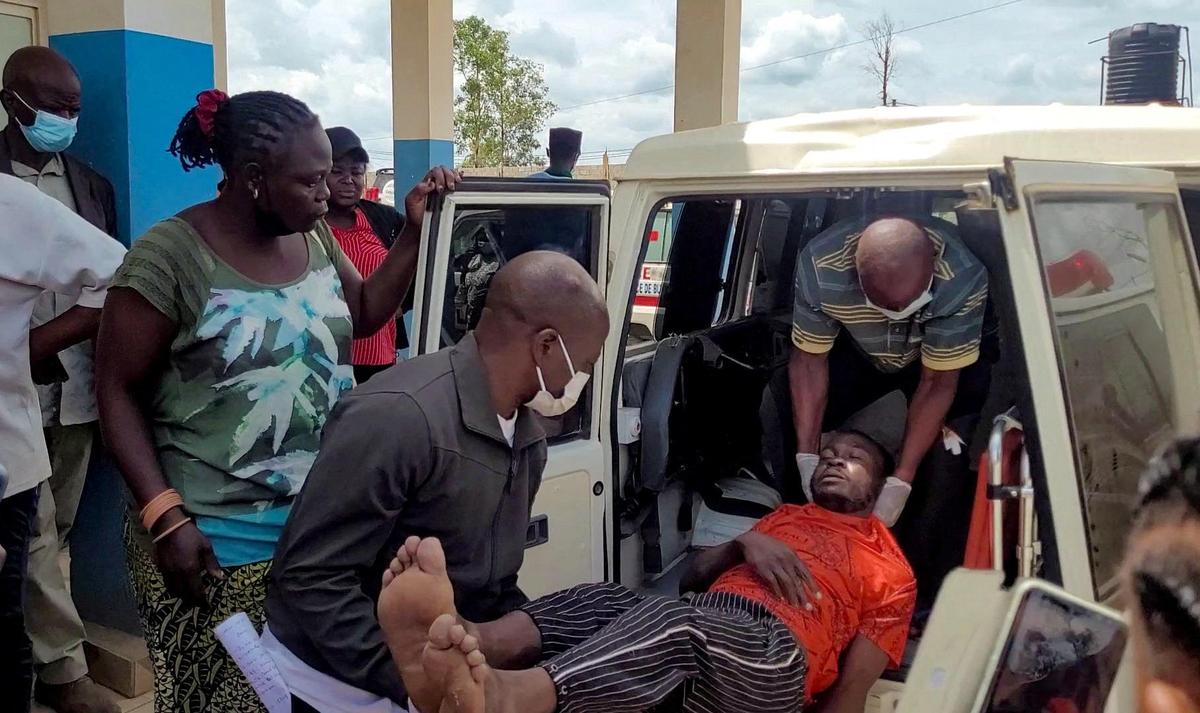
The World Health Organization (WHO) has officially classified the Ebola outbreak in the Democratic Republic of Congo (DRC) and Uganda as a “public health emergency of international concern.” This declaration, made on Sunday, underlines the significant risks posed to neighbouring countries due to the ongoing crisis. The outbreak, attributed to the Bundibugyo virus, has reportedly resulted in 80 suspected fatalities, along with eight laboratory-confirmed and 246 suspected cases as of Saturday in the Ituri province of DRC.

The DRC health ministry highlighted that 80 lives have been lost due to this outbreak in the eastern province. This outbreak marks the 17th instance of Ebola being reported in the country since the virus was first identified there in 1976. The WHO has suggested that the scope of the outbreak could be larger than initially anticipated, given the high positivity rates of the preliminary samples and the increasing reporting of suspected cases.

International Spread and Health Risks Identified

The WHO has indicated that the outbreak poses a significant health risk not just within DRC and Uganda, but also to other nations, given the documented instances of international spread. Countries bordering the DRC are urged to activate their national disaster and emergency-management strategies. Furthermore, the WHO has recommended cross-border surveillance and screening at major internal transport routes to mitigate further transmission.

Notably, Uganda’s capital, Kampala, reported two laboratory-confirmed cases, one of which resulted in a death. These cases were linked to individuals who had travelled from the DRC. Additionally, a confirmed case was noted in Kinshasa, the capital of DRC, involving a person returning from the Ituri province. The WHO has advised that individuals identified as contacts of those infected should refrain from international travel unless part of a medical evacuation.

The WHO has also called for immediate isolation of confirmed cases, daily monitoring of contacts, limited national travel, and a prohibition on international travel for 21 days following exposure. This precautionary measure aims to contain further outbreaks.

Containment Strategies and Recommendations

In light of the ongoing situation, the WHO has urged nations not to impose border closures or travel bans due to fear, as such actions could result in informal crossings that evade monitoring. The situation is further complicated by the DRC’s extensive tropical forests, which serve as a natural reservoir for the Ebola virus.

Ebola, a virus that can be fatal, manifests itself through symptoms including fever, body aches, vomiting, and diarrhoea. The transmission occurs through direct contact with bodily fluids of infected individuals, contaminated materials, or persons who have died from the illness, according to the Africa Centres for Disease Control and Prevention.

As the WHO continues to monitor the situation, the international community is advised to remain vigilant in their response efforts. Preventative measures are essential to mitigate the risk of widespread transmission and to protect public health on a global scale.

Long or Short, get news the way you like. No ads. No redirections. Download Newspin and Stay Alert, The CSR Journal Mobile app, for fast, crisp, clean updates!

App Store –  https://apps.apple.com/in/app/newspin/id6746449540 

Google Play Store – https://play.google.com/store/apps/details?id=com.inventifweb.newspin&pcampaignid=web_share

Latest News

Popular Videos
