


US–Iran Talks Collapse in Pakistan: Mediation Efforts Fail as Tensions Deepen
The CSR Journal Magazine

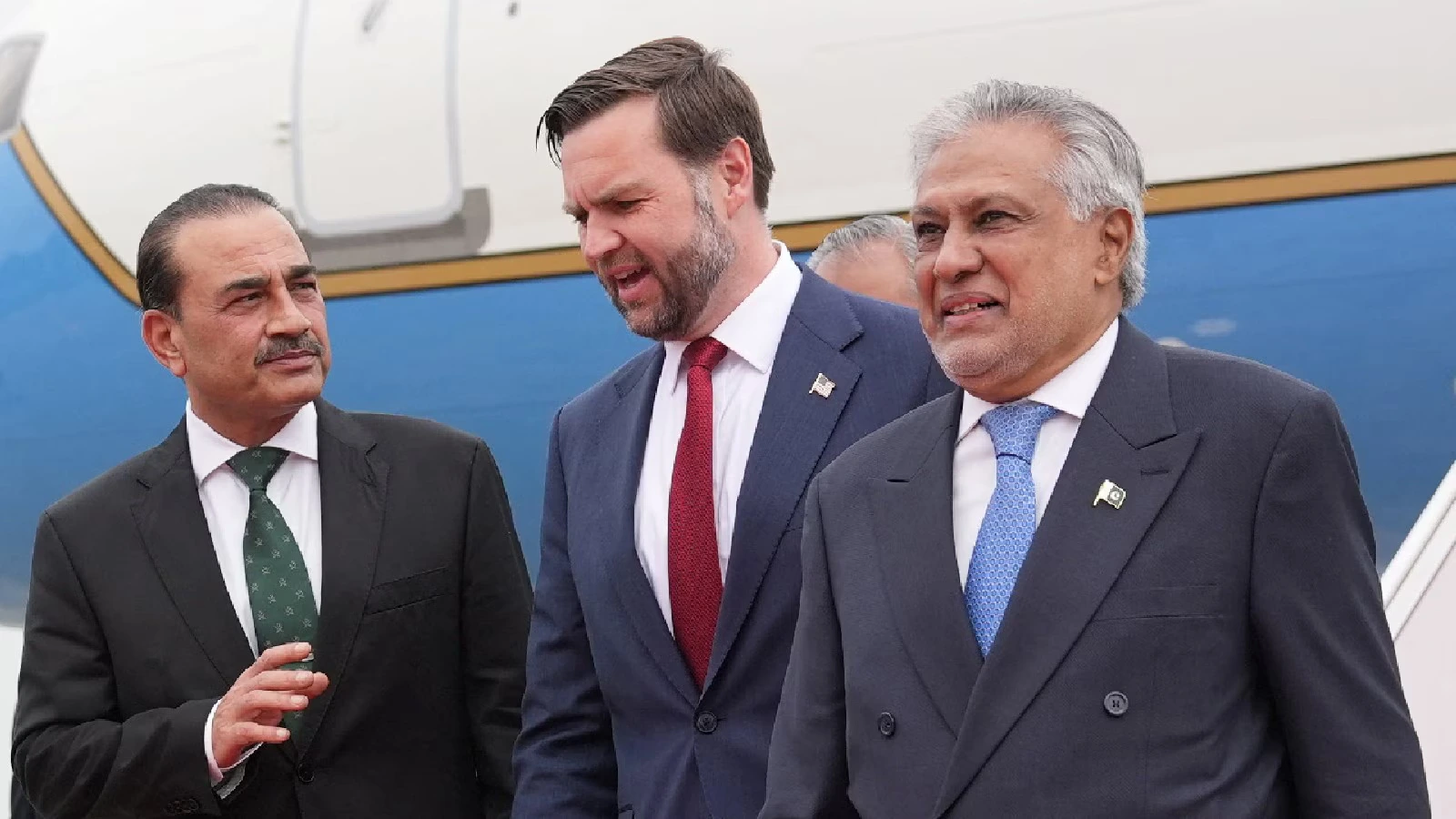
Negotiations intended to foster peace between the United States and Iran ended without resolution during a recent meeting in Pakistan. The anticipated second round of talks coincided with the conclusion of a two-week ceasefire on Wednesday. US officials had previously suggested that positive developments were forthcoming, but those expectations were not met, leading to criticism of Pakistan’s role.

Pakistan now faces increased scrutiny regarding its effectiveness as a mediator, amidst allegations of a deteriorating trust relationship with Tehran. Iran has reportedly expressed concerns over Islamabad’s alleged dual approach, creating tension ahead of the talks.

The situation escalated when it became apparent that Iran would not dispatch its delegations to the scheduled negotiations in Islamabad. Following this, US President Donald Trump independently declared an extension of the ceasefire, yet notably, the naval blockade affecting Iranian ports remained in place, a key stumbling block for Iran moving forward.

Trust Issues Surrounding Pakistan’s Role

During a recent visit to Tehran led by Pakistan’s army chief, Asim Munir, the issue of trust was exacerbated. Munir, known for his connections to Iran’s powerful Islamic Revolutionary Guard Corps, engaged with senior Iranian military and political figures. Reports suggested he communicated suggestions from the US, which were not reciprocated, raising doubts about Pakistan’s neutrality.

Analysts pointed out the Iranians’ suspicions regarding Pakistan’s claims, particularly relating to negotiations and the expected lifting of the blockade. The lack of clear communication led to further complications, making it unclear who was responsible for the breakdown of trust.

Amidst the confusion, Iran expressed dissatisfaction, characterising Pakistan’s mediation efforts as unbalanced. Interviews with Iranian analysts highlighted the perception that Pakistan was more aligned with US interests, posing serious implications for its credibility as a mediator in the ongoing conflict.

Iran’s Discontent with Pakistan’s Mediation Strategy

Iranians have openly voiced their frustration regarding Pakistan’s handling of the talks. In a televised discussion, an analyst directly accused Asim Munir of favouring US options while neglecting Iran’s positions. This sentiment reflects a broader disappointment among Iranian leaders, who believe Pakistan has failed to offer balanced mediation strategies.

Notably, developments in the past weeks revealed that Pakistan’s involvement has not yielded the desired outcomes. The announcement of the ceasefire was contradicted by US military actions in the region, leading to further complications. Pakistan’s silence on these issues has drawn criticism from Iranian officials, questioning Islamabad’s ability to mediate effectively.

Ultimately, Iran’s frustration has manifested in its policies, as demonstrated by its increased control over the vital Strait of Hormuz. The lack of progress in negotiations has caused significant strain and emphasised Iran’s scepticism of Pakistan’s dual role as facilitator and ally to the US.

Long or Short, get news the way you like. No ads. No redirections. Download Newspin and Stay Alert, The CSR Journal Mobile app, for fast, crisp, clean updates!

App Store –  https://apps.apple.com/in/app/newspin/id6746449540 

Google Play Store – https://play.google.com/store/apps/details?id=com.inventifweb.newspin&pcampaignid=web_share

Latest News

Popular Videos
