


US-Iran Nuclear Talks Collapse Amid Deepening Rift Over Uranium Enrichment
The CSR Journal Magazine

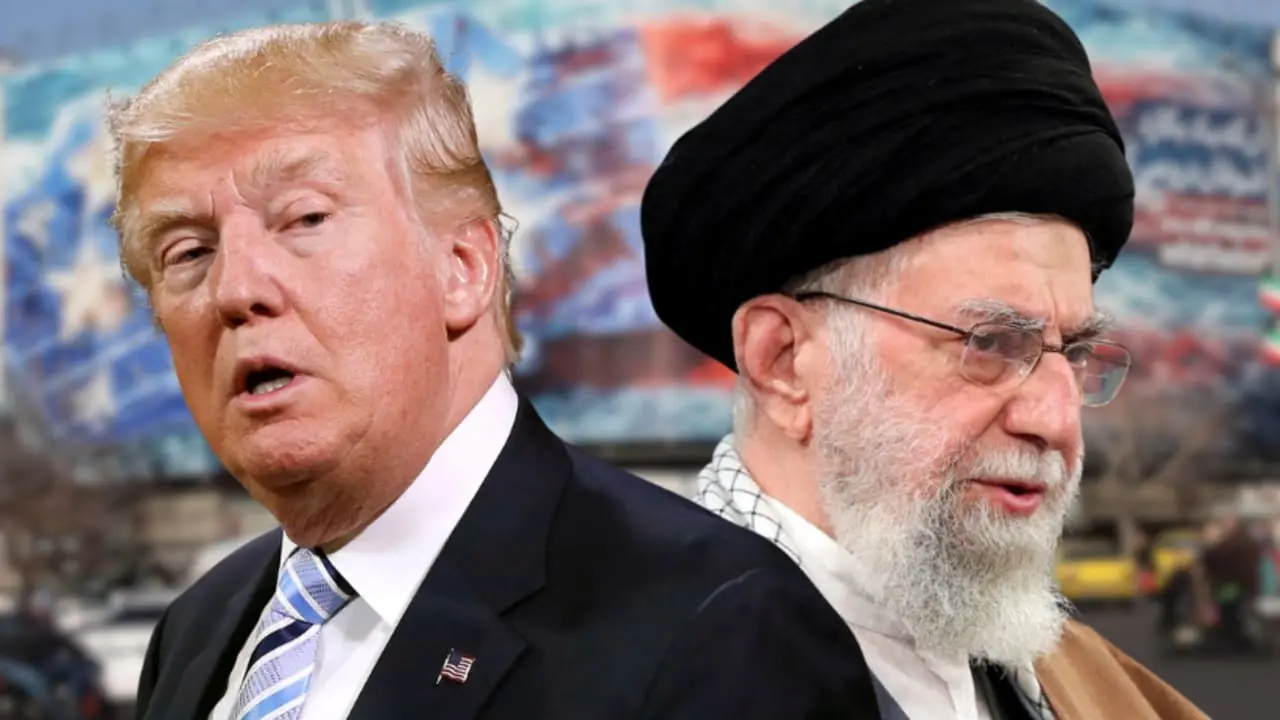
The recent discussions between the United States and Iran regarding nuclear agreements have collapsed, bringing uranium enrichment back into the global spotlight. The breakdown of these talks was primarily linked to a pivotal issue: whether Iran should cease all uranium enrichment and the duration of such a halt. Washington has called for stringent restrictions, including a long-term cessation of enrichment, while Tehran has asserted that it has the sovereign right to enrich uranium.

This impasse indicates the sensitivity and complexity surrounding uranium enrichment within the wider context of international relations and nuclear non-proliferation efforts. Understanding the underlying process of uranium enrichment is crucial to grasp the significance of these negotiations.

Understanding Uranium Enrichment

Uranium, an element that occurs naturally, is largely ineffective for nuclear reactions in its raw form; less than one per cent of natural uranium consists of the isotope uranium-235 (U-235), which is essential for sustaining nuclear energy reactions or weapons. Enrichment is the technique employed to increase the concentration of U-235 in uranium and is achieved using centrifuges. During this process, uranium is first converted to a gas and then subjected to high-speed spinning, which separates U-235 from the more prevalent uranium-238.

The enrichment process is executed in cascades of centrifuges and must be repeated numerous times to attain the desired purity level. While low-level enrichment serves peaceful applications—such as powering nuclear power plants (which typically require enrichment of about three to five per cent)—the situation intensifies when enrichment levels exceed 60 per cent, raising potential concerns about military use.

Weapons-grade uranium refers to material that has been enriched to approximately 90 per cent. At this stage, the distinction between civilian and military applications becomes increasingly ambiguous, as the technology used to produce nuclear power can also facilitate the manufacture of nuclear weapons. Experts contend that Iran possesses uranium stockpiled at levels significantly exceeding its civilian requirements, which suggests a concerning capability for a rapid transition to producing weapons-grade uranium.

Iran’s Enrichment Programme and Global Concerns

Heightened geopolitical tensions revolve primarily around fears regarding Iran’s uranium enrichment programme potentially progressing towards weapons-grade capabilities. The US government has insisted on either a complete halt or the dismantling of Iran’s enrichment facilities. The rationale behind this demand is that even minimal enrichment could pave the way for possible weaponisation.

Conversely, Iran asserts that its enrichment activities are intended solely for peaceful energy production and has expressed its unwillingness to cease enrichment altogether. The failure of the latest diplomatic efforts underscores the fundamental divide between the two nations, with the US and its allies viewing uranium enrichment as a direct path to nuclear armament, while Iran regards it as a matter of technological sovereignty and national pride.

As diplomatic avenues remain stalled, the process of uranium enrichment continues to serve as both a scientific endeavour and a geopolitical contentious issue, with implications for security that could reverberate across the Middle East and beyond. Thus, the future of international relations concerning this topic will likely be closely monitored.

Long or Short, get news the way you like. No ads. No redirections. Download Newspin and Stay Alert, The CSR Journal Mobile app, for fast, crisp, clean updates!

App Store –  https://apps.apple.com/in/app/newspin/id6746449540 

Google Play Store – https://play.google.com/store/apps/details?id=com.inventifweb.newspin&pcampaignid=web_share

Latest News

Popular Videos
