


Trump Develops “Naughty and Nice” List for NATO Allies Regarding Iran Support
The CSR Journal Magazine

The Trump administration has created a “naughty and nice” list to categorise NATO allies based on their support for military engagement with Iran. This initiative reportedly aims to reward nations that contribute positively while imposing penalties on those perceived to be lacking in support. The list emerged shortly before NATO Secretary General Mark Rutte’s visit to Washington, DC earlier this month, according to reports from Politico.

A diplomat from Europe informed Politico that this initiative appears to expand upon a framework introduced by US Secretary of War Pete Hegseth in December. During a defence forum, Hegseth indicated that “model allies” would receive “special favour” from the US, while nations failing in their collective defence obligations could face repercussions.

The potential implementation of such a list may result in punitive actions against certain NATO members, which could include relocating US military personnel or limiting the sale of American defence technologies. However, political observers caution that these measures may adversely affect the US more than those they intend to target.

Expected Outcomes for NATO Members

While the White House has not officially confirmed the existence of this list, countries like Poland and Romania are anticipated to receive favourable assessments. Poland has been recognised for its significant defence spending, while Romania has allowed US military forces to operate from its airbases in relation to the ongoing conflict with Iran.

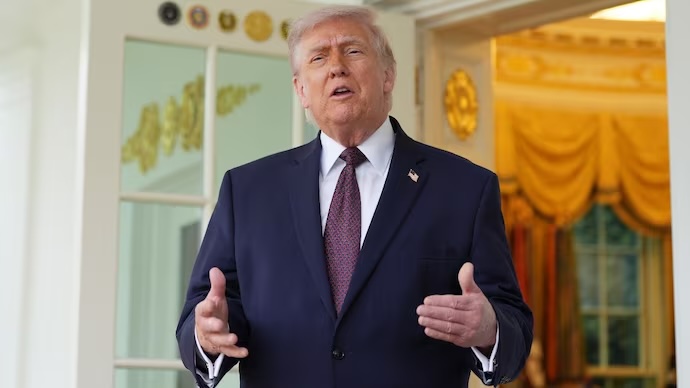
Conversely, many NATO allies have opted not to participate in military actions in the Gulf, which has drawn criticism from President Trump. In a recent speech, he expressed his disappointment, stating that the alliance had only offered assistance in reopening the Strait of Hormuz after the fact. Trump emphatically stated he would have preferred help two months prior when the situation escalated.

He further concluded that, despite the alliance, the US fundamentally does not require NATO support, asserting that “They needed us.” This sentiment aligns with Trump’s long-standing criticism of NATO and has been echoed throughout his statements concerning the ongoing crisis.

Historical Context of NATO Relations

The current tensions reflect a broader historical context marked by previous disputes over European defence spending and diplomatic disagreements. Notably, Trump’s interest in acquiring Greenland illustrates the strain in transatlantic relationships.

Following a meeting with Rutte, Trump utilised social media to express his frustrations, stating: “NATO WASN’T THERE WHEN WE NEEDED THEM, AND THEY WON’T BE THERE IF WE NEED THEM AGAIN.” This rhetoric highlights a consistent theme in his administration regarding NATO’s reliability and the US’s role within the alliance.

As the situation develops, the future of US-NATO relations may hinge upon how individual member states respond to the classification of their engagements as either “naughty” or “nice.” The implications of such a list could alter how allies interact with the US and with one another in the context of collective defence.

Long or Short, get news the way you like. No ads. No redirections. Download Newspin and Stay Alert, The CSR Journal Mobile app, for fast, crisp, clean updates!

App Store –  https://apps.apple.com/in/app/newspin/id6746449540 

Google Play Store – https://play.google.com/store/apps/details?id=com.inventifweb.newspin&pcampaignid=web_share

Latest News

Popular Videos
