


Trump Says Russia Will Supply Over 4 Million Tonnes Of Diesel Under Putin Deal
The CSR Journal Magazine

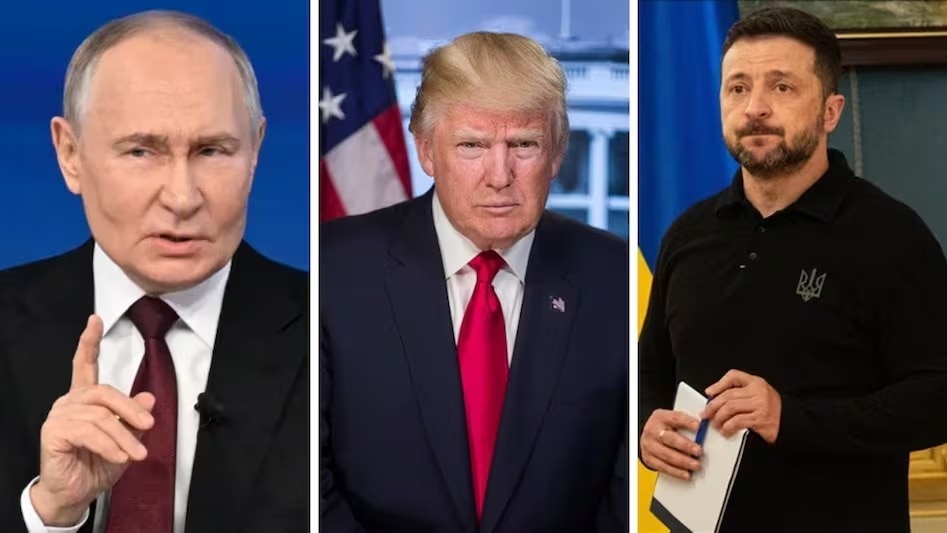
US President Donald Trump has announced an agreement with Russian President Vladimir Putin for Moscow to supply more than 4 million tonnes of diesel to global markets, as his administration seeks to ease soaring fuel prices. The deal, reached during a phone conversation between the two leaders, will be accompanied by a temporary relaxation of US sanctions on Russian diesel exports.

Ukrainian President Volodymyr Zelenskyy swiftly criticised the agreement, warning that allowing Russia to sell petroleum products without a commitment to de-escalate the war would help Moscow finance its military campaign. The announcement comes as the conflict in Ukraine and disruptions in the Middle East strain global fuel markets.

Russia To Supply Diesel In Multiple Tranches

In a post on Truth Social on Friday, Trump said Russia would immediately supply more than 300,000 tonnes of diesel, followed by another 500,000 tonnes in November and 1 million tonnes immediately thereafter. Moscow would subsequently provide an additional 3 million tonnes, depending on the condition of its refineries.

The US Treasury Department issued a temporary general licence on Friday permitting Russian diesel supplies under specified conditions through April 2027. The measure relaxes sanctions restrictions imposed as part of Washington’s efforts to limit Russian revenues following its invasion of Ukraine.

Trump has presented the arrangement as a way to increase fuel availability and bring down prices for American consumers and businesses. Diesel is widely used in agriculture, freight transport and heating, making its price a significant factor in operating costs across several sectors.

Zelenskyy Warns Deal Could Prolong War

Zelenskyy condemned the agreement, arguing that easing restrictions on Russian petroleum products without securing a commitment to reduce hostilities would undermine efforts to end the war.

“Gifts to Putin will not bring peace or any benefit to the civilized world,” Zelenskyy said in a social media post. “Russia will ‘repay’ the diesel with further terror and perfidy. Allowing Russia to sell petroleum products is an investment in a war that must be ended, not prolonged.”

The Ukrainian president’s criticism reflects Kyiv’s concern that additional revenue from energy exports could help Moscow sustain its military operations. The agreement also comes amid continuing Ukrainian attacks on Russian refineries, which have affected the country’s fuel production capacity.

Global Fuel Supply Under Pressure

Diesel prices have risen sharply amid disruptions to refining capacity in Russia and the Middle East. Ukrainian strikes on Russian refineries have constrained Moscow’s ability to produce fuel, while attacks by Iran and its Houthi allies have added pressure to energy infrastructure and supplies in the region.

The resulting supply constraints have complicated efforts to bring prices down. Although additional Russian shipments could provide some relief, the extent of their impact will depend on how much fuel is delivered, when it reaches buyers and the wider condition of global refining and distribution networks.

Rising Fuel Costs Put Pressure On Trump

The announcement comes as Trump faces mounting domestic pressure to tackle high fuel prices ahead of the US midterm elections in November. Republicans are defending competitive seats, including in traditionally conservative areas such as Iowa, where farmers are particularly exposed to higher diesel costs.

The administration has considered several measures to ease the pressure on consumers and businesses. Trump explored a possible ban on diesel exports last month but abandoned the proposal after oil industry representatives and businesses warned that such a move could push up petrol prices.

Earlier this week, Trump also signed an executive order allowing truckers to use tax-exempt, red-dyed diesel on public highways without facing immediate federal penalties. However, the measure defers the tax obligation rather than eliminating it, leaving questions about whether operators could be required to pay the tax later.

A Shift In US Policy Towards Russian Energy

The diesel arrangement comes against the backdrop of Washington’s broader sanctions campaign against Moscow over the war in Ukraine. By temporarily allowing Russian diesel supplies, the administration is seeking to address domestic energy pressures while facing criticism that the move could provide Russia with additional revenue.

The deal has therefore placed two policy objectives in tension: reducing fuel costs for American households and businesses, and maintaining economic pressure on Russia over its invasion of Ukraine.

The immediate effect on diesel prices will depend on the delivery of the promised supplies and developments in global energy markets. Meanwhile, Zelenskyy’s response underscores Kyiv’s concern that easing sanctions without a corresponding reduction in hostilities could weaken efforts to secure a lasting end to the war.

Long or Short, get news the way you like. No ads. No redirections. Download Newspin and Stay Alert, The CSR Journal Mobile app, for fast, crisp, clean updates!

App Store –  https://apps.apple.com/in/app/newspin/id6746449540 

Google Play Store – https://play.google.com/store/apps/details?id=com.inventifweb.newspin&pcampaignid=web_share

Latest News

Popular Videos
