


Tier-2 and Tier-3 Cities Drive Surge in India’s Personal Loan Demand
The CSR Journal Magazine

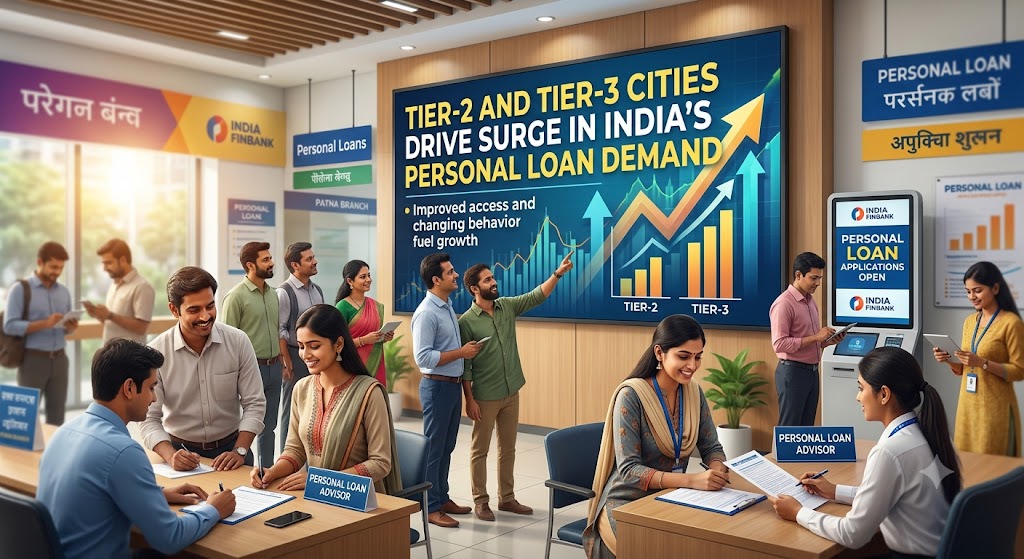
The growth in personal loan demand is notably shifting from metropolitan areas to Tier-2 and Tier-3 cities across India. A textile trader in Surat, for instance, is now seeking immediate funds ahead of the wedding season. Similarly, a family in Bhopal is looking for financial assistance to cover an unexpected hospital bill, demonstrating a change in borrowing behaviour that extends beyond traditional urban centres.

Historically, residents of smaller cities often relied on local moneylenders or secured loans using valuable assets like gold or land. However, a significant transformation has occurred in recent years. Increased incomes, widespread smartphone usage, and quicker financial verifications by banks have opened new avenues for obtaining credit, making personal loans more accessible to consumers away from the metros.

This evolution allows individuals such as shopkeepers, educators, and former gold loan borrowers to utilise unsecured credit for growth-oriented purposes, marking a shift from using loans solely for emergency situations.

Factors Influencing Demand in Smaller Cities

The advances in technology have been crucial in facilitating loan access. The introduction of the Unified Payments Interface (UPI) has enabled countless small businesses to maintain a digital record of their financial activities. The Reserve Bank of India’s Account Aggregator framework further simplifies the process of sharing this information securely with potential lenders, enabling quick financial assessments without extensive paperwork.

Small businesses are increasingly seeking loans to fund growth initiatives rather than merely to navigate challenging circumstances. Whether it is a workshop owner upgrading equipment or a retailer boosting inventory for the season, quick access to personal loans is becoming a viable solution for these entrepreneurs.

Data from TransUnion CIBIL’s FinTech Compass report highlights this trend, revealing that 31 per cent of fintech personal loan borrowers are from rural areas, with an additional 24 per cent from semi-urban regions. This indicates that over half of personal loan demand is originating from smaller cities, showcasing a significant spread in lending operations beyond metropolitan hubs.

Understanding Loan Costs and Features

The Indian banking regulator has been monitoring this surge closely. Notably, in November 2023, the Reserve Bank of India increased the risk weight of unsecured consumer loans from 100 per cent to 125 per cent, making these loans more expensive for lenders. This cautious regulatory stance has led lenders to be more discerning, with a clean repayment history becoming increasingly valuable.

Three primary factors dictate the interest rates borrowers face: their risk profile, credit score, and the overall loan arrangement. Lenders evaluate the stability of income, existing debts, and repayment history to determine loan costs. A borrower with a successful track record of repaying loans can benefit from preferable terms.

Maintaining a good credit score is vital for securing loans at favourable rates. The CIBIL score ranges from 300 to 900, with scores above 700 generally recognised as good. To enhance this score, it is essential to manage timely payments for all loans and credit cards effectively.

Before committing to a loan, potential borrowers are advised to use online calculators to assess their monthly instalments and ensure that this sum remains within a sustainable percentage of their monthly income.

Long or Short, get news the way you like. No ads. No redirections. Download Newspin and Stay Alert, The CSR Journal Mobile app, for fast, crisp, clean updates!

App Store –  https://apps.apple.com/in/app/newspin/id6746449540 

Google Play Store – https://play.google.com/store/apps/details?id=com.inventifweb.newspin&pcampaignid=web_share

Latest News

Popular Videos
