


Supreme Court Seeks Replies on Illegal Vacancies in State Power Panels
The CSR Journal Magazine

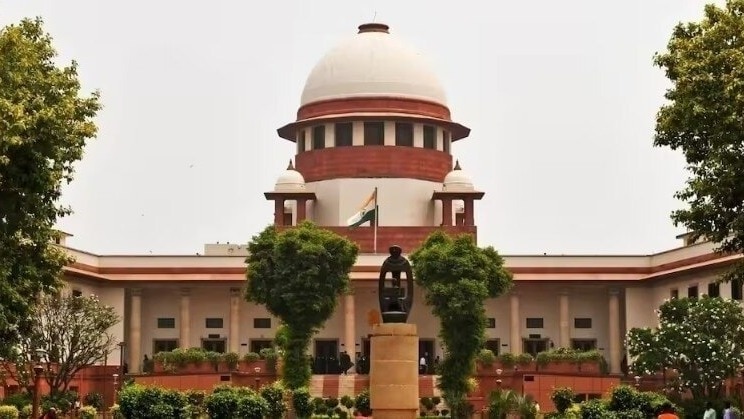
The Supreme Court has requested responses from fifteen states and the Union Territories of Jammu and Kashmir and Ladakh regarding a Public Interest Litigation (PIL) that questions the legal constitution of state electricity regulatory commissions (SERCs). This directive was issued on Friday as a response to a petition filed by the NGO Energy Watchdog.

The PIL raises concerns over the failure of these commissions to adhere to the stipulations set forth in the Electricity Act of 2003 and a previous ruling from April 2018.

Details of the Petition

The petition, submitted through lawyer Pranav Sachdeva, claims that prolonged vacancies and the lack of qualified legal members in various commissions severely impact consumers’ ability to access lawful remedies. The NGO asserts that numerous statutory violations have occurred, with extended vacancies in key positions such as chairpersons and members across 230 SERCs in the mentioned states and Union Territories.

It was noted that several commissions, including those in West Bengal, Tamil Nadu, Andhra Pradesh, Kerala, Himachal Pradesh, Meghalaya, Manipur, Mizoram, and Nagaland, continue to lack a legally qualified individual, despite the Supreme Court’s 2018 directive. The absence of a legally qualified member is particularly concerning as the Court previously underscored the necessity of such appointments to uphold the integrity of these regulatory bodies.

In Tamil Nadu, the petition highlights that all three key positions are currently vacant. Meanwhile, in Andhra Pradesh, the roles of chairperson and technical member remain unfilled, leading to operations run by only one finance member. Additionally, in West Bengal, it was reported that the chairperson’s position exists, but the current officeholder does not possess the requisite legal qualifications.

Impact on Consumer Rights

Energy Watchdog has articulated that this failure undermines consumers’ access to justice, pointing to violations of Articles 14 and 21 of the Indian Constitution. The lack of a legally trained member hampers the ability of consumers to obtain lawful adjudication for complaints lodged under the Electricity Act. The petition argues that the situation places consumers at a disadvantage, making lawful resolutions contingent upon what has been described as prolonged executive inaction.

The petition requests that the aforementioned states, along with Jammu and Kashmir and Ladakh, disclose the measures being taken to ensure compliance with the Electricity Act in the constitution of their SERCs. This request underscores the urgency for these regulatory bodies to be properly staffed to meet legal requirements and facilitate effective consumer remedies.

By issuing this notice, the Supreme Court has signalled the importance of resolving the current vacancies in the state electricity regulatory commissions. The responses from the states and Union Territories are now awaited, highlighting the judiciary’s role in enforcing compliance with existing legal frameworks designed to protect consumer rights and ensure the effective functioning of essential regulatory bodies.

Next Steps for States and Union Territories

The court’s notice compels the named states and Union Territories to respond promptly to the PIL, potentially setting the stage for further legal action if satisfactory measures are not forthcoming. This development has brought significant attention to the operational challenges faced by state electricity regulatory commissions and the broader implications for consumer rights in India.

The situation is being closely monitored by various stakeholders, including consumer rights advocates and legal experts, who are interested in the outcomes of this legal scrutiny. Various states will need to take immediate steps to address the highlighted deficiencies, ensuring that their SERCs are not only operational but are also functioning in accordance with established legal standards.

As the directives from the Supreme Court unfold, it remains critical for affected consumers to be kept informed about potential remedies and improvements that may arise from this legal process. The response from the states can significantly affect the landscape of consumer justice within the electric utility sector.

Long or Short, get news the way you like. No ads. No redirections. Download Newspin and Stay Alert, The CSR Journal Mobile app, for fast, crisp, clean updates!

App Store –  https://apps.apple.com/in/app/newspin/id6746449540 

Google Play Store – https://play.google.com/store/apps/details?id=com.inventifweb.newspin&pcampaignid=web_share

Latest News

Popular Videos
