


Sudhanshu Trivedi Criticises Congress Over ‘Dimagi Naxal’ Comment
The CSR Journal Magazine

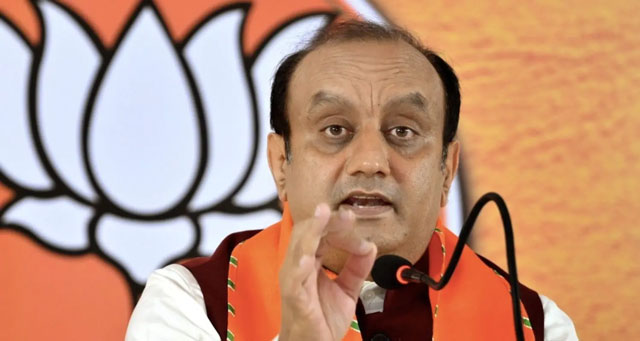
Sudhanshu Trivedi, the National Spokesperson for the Bharatiya Janata Party (BJP), has publicly confronted the Congress regarding its response to Prime Minister Narendra Modi’s ‘Dimagi Naxal’ remark. This exchange follows Modi’s speech during the Independence Day celebrations, where he spotlighted the government’s initiatives against Naxalism. Trivedi questioned the Congress party’s stance on Naxalism, referencing past statements by former Prime Minister Manmohan Singh as indicative of changing attitudes within the opposition party.

Controversy Regarding ‘Dimagi Naxal’

During his address at the Red Fort, Prime Minister Modi outlined the challenges posed by Naxalism, labelling the mindset behind it as detrimental to national interests. Trivedi expressed surprise over a response from Congress leader P Chidambaram, stating that within merely 24 hours of the Prime Minister’s speech, Chidambaram reportedly took pride in being labelled a ‘Dimagi Naxal’. This provocative assertion from the Congress leader has sparked strong reactions within BJP circles, prompting further scrutiny of Congress’s current policies.

Trivedi underscored a significant statement made by Manmohan Singh in 2006, when he described Naxalism as a critical internal security issue in India. The BJP spokesperson used this reference to contrast Singh’s serious assessment of the threat with Chidambaram’s recent remarks, putting Congress in a position of having to clarify its own stance. “Who was correct, Dr Manmohan Singh or P Chidambaram?” he asked during interviews.

This political confrontation is set against a backdrop of ongoing debates regarding the effectiveness of the government’s anti-Naxal measures. While armed Naxalism has been countered, Modi stressed the need for continued vigilance against other forms of anti-national sentiment, prompting discussions among political leaders regarding the implications of such language.

Political Reactions and Implications

The BJP has argued that Modi’s comments are part and parcel of a broader discourse on national security and ideological integrity. They maintain that the term ‘Dimagi Naxal’ refers not to general dissent but specifically to those who may foster anti-national narratives. This perspective firmly positions the BJP in contrast to the Congress, which is defending its right to critique government policies without being associated with extremism.

The controversy surrounding the ‘Dimagi Naxal’ terminology adds another layer to the long-standing debate on how best to handle left-wing extremism in India. The government’s recent strategies against Maoist groups, aiming to diminish their influence and geographical reach, have unearthed fresh dialogues about the ongoing security situation in various states.

As the political discourse evolves, the Congress party faces pressure to articulate a cohesive response to these allegations and to clarify its position on historical statements made during its regime. The BJP seeks to frame the narrative in a manner that highlights discrepancies in the Congress’s previous and current positions on national security challenges.

This political exchange will likely persist as parties deliberate over Modi’s remarks and grapple with the broader implications of left-wing extremism and the appropriate governmental responses to criticism and dissent in contemporary India. The outcome of these discussions may influence future political strategy and public opinion significantly.

Long or Short, get news the way you like. No ads. No redirections. Download Newspin and Stay Alert, The CSR Journal Mobile app, for fast, crisp, clean updates!

App Store –  https://apps.apple.com/in/app/newspin/id6746449540 

Google Play Store – https://play.google.com/store/apps/details?id=com.inventifweb.newspin&pcampaignid=web_share

Latest News

Popular Videos
