


Skyroot Initiates Dispatch of Vikram-1 Rocket Hardware to Sriharikota
The CSR Journal Magazine

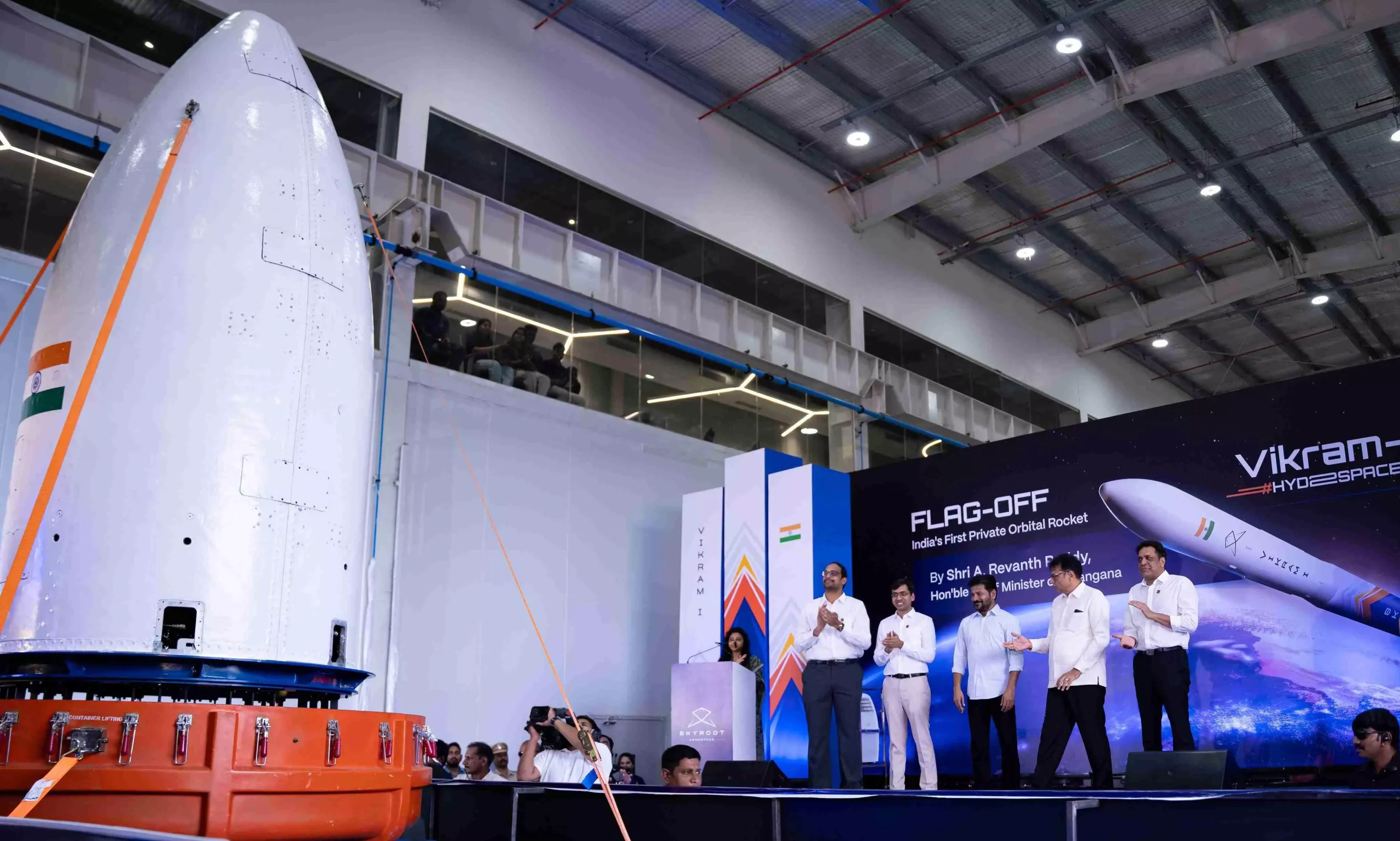
Skyroot Aerospace has officially commenced the transport of hardware components for its Vikram-1 rocket to the launch site in Sriharikota. This marks a significant step in the company’s mission to further its capabilities in the space sector. The hardware was flagged off in an event attended by various dignitaries, showcasing the company’s dedication to advancing India’s space technology.

The Vikram-1 rocket is intended to cater to the demands of small satellite launches, providing a vital service for both domestic and international customers. The rocket has been designed to accommodate payloads of up to 500 kg to Low Earth Orbit (LEO). With this technology, Skyroot aims to position itself as a competitive player in the growing commercial space market.

Company representatives indicated that the launch vehicle is scheduled for its inaugural flight in the coming months. Following successful tests and manufacturing, the transportation of the hardware to the Indian Space Research Organisation’s (ISRO) facility in Sriharikota represents the next phase in the rocket’s development. Key components, which include the airframe and propulsion systems, are en route to the launch pad, where final assembly will take place.

Significance of the Launch

The launch of the Vikram-1 rocket is anticipated to bolster India’s presence in the global space industry. As commercial launches gain traction, the need for reliable and efficient rocket systems has become paramount. Skyroot’s innovation aims to meet this need, enhancing the capacity for small satellite deployments significantly.

Sriharikota serves as a strategic launch site due to its geographical advantages, including proximity to the equator, which enables rockets to utilise the planet’s rotation to save fuel and maximise payload capacity. The company’s choice to launch from this site underscores its commitment to leveraging the best resources available for its operations.

Alongside the primary focus of deploying small satellites, the Vikram-1 rocket also positions India as a go-to destination for international satellite launch services. This shift may lead to increased collaboration with global entities, potentially expanding opportunities within the aerospace domain.

Future Prospects for Skyroot Aerospace

Looking ahead, Skyroot continues to innovate and develop additional launch vehicles that cater to various requirements in the burgeoning space sector. The company is reportedly exploring advancements in technology that would further enhance the efficiency and capabilities of its launch systems.

In the coming years, initiatives to develop more complex and capable rockets will take centre stage, as Skyroot aims to secure a more significant share of the international launch market. This goal will not only bolster the company’s portfolio but also contribute to India’s strategic advantages in aerospace technology.

Moreover, the growth of domestic players like Skyroot is reflective of a broader trend in India, where an increasing number of private firms are entering the space sector. This movement is encouraged by government initiatives aimed at promoting private sector engagement in space exploration and satellite technologies, ultimately fostering a robust ecosystem for space-related activities.

As the countdown to the Vikram-1’s launch continues, the eyes of the nation and the global aerospace community remain focused on Skyroot. The successful deployment of this rocket could lead to a new chapter in India’s foray into commercial space launches, signalling a promising future for the country’s aerospace ambitions.

Long or Short, get news the way you like. No ads. No redirections. Download Newspin and Stay Alert, The CSR Journal Mobile app, for fast, crisp, clean updates!

App Store –  https://apps.apple.com/in/app/newspin/id6746449540 

Google Play Store – https://play.google.com/store/apps/details?id=com.inventifweb.newspin&pcampaignid=web_share

Latest News

Popular Videos
