


SC To Examine Fresh Pleas Against Six-Stanza Vande Mataram Rule
The CSR Journal Magazine

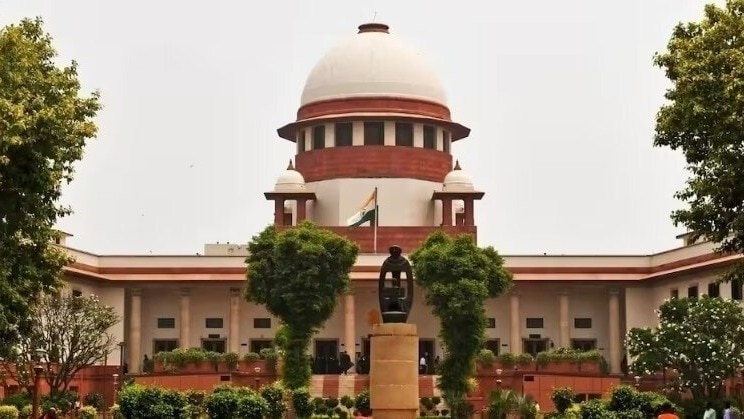
The Supreme Court has agreed to review new petitions that contest the law mandating the singing of all six stanzas of Vande Mataram. This decision was made on Tuesday, with a bench comprising Chief Justice Surya Kant, Justice Joymalya Bagchi, and Justice V Mohana. The court has issued notices to the Centre and other parties involved in the petitions filed by Bhimrao Duryodhan Borkar and former IAS officer Balakrishnan Sathyabhama Mavoji. The hearing has been scheduled for November 30.

Arguments Presented in the Petitions

Bhimrao Duryodhan Borkar has argued that the Ministry of Home Affairs’ orders issued on January 28 and July 9, 2026, have unlawfully replaced a long-standing 79-year practice of singing a two-stanza, non-theistic version of the poem with the full six-stanza rendition. Borkar claims that the complete version contains “explicit anti-Muslim invective.”

His petition asserts that the orders have effectively repealed the existing National Song and imposed a new one that he describes as a “civil war song” from Anandamath, which he alleges has unconstitutional, idolatrous, and Islamophobic content. Balakrishnan Sathyabhama Mavoji has similarly contended that the introduction of the six-stanza version as the national anthem is an attempt to transform India into a divine, sectarian, and theistic state.

Both petitioners argue that the new requirement infringes upon the secular principles enshrined in the Constitution and raises significant concerns regarding freedom of conscience. Previously, on September 22, the Supreme Court had informed the Centre that individuals who conscientiously object to singing Vande Mataram should not face penalties.

The court referenced a 1986 ruling that protected children who declined to sing the national anthem due to their beliefs. This earlier case involved a petition from Carnatic vocalist T M Krishna, who challenged the law mandating the singing of all six stanzas of Vande Mataram, claiming that the last four verses undermine the secular character of the nation.

Implications of the SC’s Previous Rulings

During the earlier hearing, the Supreme Court bench indicated that it expected the principles established in the 1986 judgment in Bijoe Emmanuel versus State of Kerala to apply to the current situation. In that landmark case, the court upheld the rights of schoolchildren who respectfully declined to sing the national anthem on the grounds of conscience, setting a significant precedent for similar cases.

The upcoming hearing on November 30 will consider the fresh challenges alongside existing petitions that question the necessity of singing all six stanzas of Vande Mataram. The court will examine the implications of these requirements on individual freedoms and the secular framework of the nation. The outcome of this case could have far-reaching effects on the interpretation of national symbols and their alignment with India’s constitutional values.

As the legal proceedings unfold, the Supreme Court’s decisions will be under scrutiny. After all, their potential impact on the relationship between national identity and individual rights. The petitions raise fundamental questions about the role of national songs in a diverse society and the extent to which the state can mandate expressions of patriotism.

Long or Short, get news the way you like. No ads. No redirections. Download Newspin and Stay Alert, The CSR Journal Mobile app, for fast, crisp, clean updates!

App Store – https://apps.apple.com/in/app/newspin/id6746449540

Google Play Store – https://play.google.com/store/apps/details?id=com.inventifweb.newspin&pcampaignid=web_share

Latest News

Popular Videos
