


SC Requests Centre’s Response on Journalism Exemption in Data Law
The CSR Journal Magazine

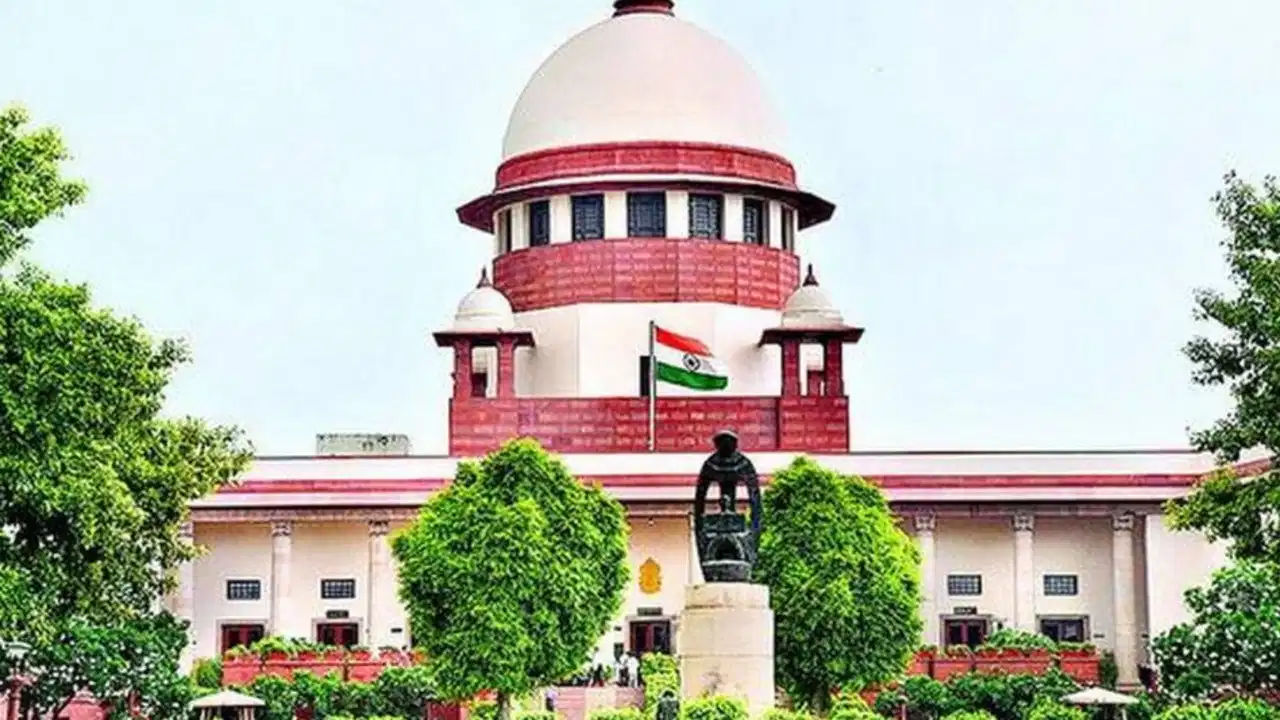
The Supreme Court has requested the Indian government to provide its response regarding a petition that challenges the Digital Personal Data Protection Act, 2023, along with the Digital Personal Data Protection Rules, 2025. This legal action was initiated by the Digital News Publishers Association, which represents 21 significant news organisations in the country.

The petitioners contend that the current regulations lack an exemption for journalism, which they argue could have detrimental effects on news reporting and the public’s right to access information.

Concerns Over Exemption for Journalism

The Digital Personal Data Protection Act, enacted by Parliament in August 2023, is India’s first extensive legislation aimed at safeguarding digital personal data. Under this Act, any entity that processes personal data is referred to as a “Data Fiduciary” and is required to obtain consent from individuals or limit processing to specific purposes delineated in Section 7.

This section stipulates that a Data Fiduciary may only process personal data for the purposes for which the individual has voluntarily provided it, unless consent is revoked. One of the primary concerns raised by the publishers is that news reporting does not fall under the permitted uses outlined in Section 7, nor does it qualify for exemptions listed in Section 17.

Previous drafts of the legislation from 2018, 2019, and 2021 included provisions for journalistic exemptions, which have since been removed. Section 17 specifies scenarios where personal data protection regulations do not apply, such as the enforcement of legal rights or claims, and includes provisions for judicial and regulatory bodies.

The absence of a journalism exemption means that reporters may be required to secure consent from individuals before writing about them. This could pose significant challenges to the practice of journalism, as obtaining consent may not always be feasible or appropriate in the context of news reporting. The publishers argue that this could lead to a chilling effect on the freedom of the press and hinder the flow of information to the public.

Legal Provisions Under Scrutiny

The petition also raises concerns about specific provisions within the Digital Personal Data Protection Rules. Notably, Rule 23, established under Section 36 of the Act, allows the government to mandate any Data Fiduciary or intermediary to furnish information. This rule also includes a clause that prohibits the disclosure of such requests, which has been met with criticism for potentially undermining transparency.

Additionally, the petition challenges Section 44(3) of the Act, which amends Section 8(1)(j) of the Right to Information Act. Previously, personal information could only be withheld if it did not pertain to public activities or if its disclosure would lead to an unwarranted invasion of privacy. The revised provision now exempts information related to personal data, which could further restrict access to information that is in the public interest.

The Supreme Court’s request for the Centre’s response highlights the need for a careful examination of how the data protection law and its accompanying rules may impact journalism and the public’s right to information. The outcome of this legal challenge could have significant implications for the media landscape in India, as well as for the broader discourse on data privacy and freedom of expression.

Long or Short, get news the way you like. No ads. No redirections. Download Newspin and Stay Alert, The CSR Journal Mobile app, for fast, crisp, clean updates!

App Store – https://apps.apple.com/in/app/newspin/id6746449540

Google Play Store – https://play.google.com/store/apps/details?id=com.inventifweb.newspin&pcampaignid=web_share

Latest News

Popular Videos
