


Saudi Arabia Moves Towards Adopting Drone Strategy Aligned with Iran
The CSR Journal Magazine

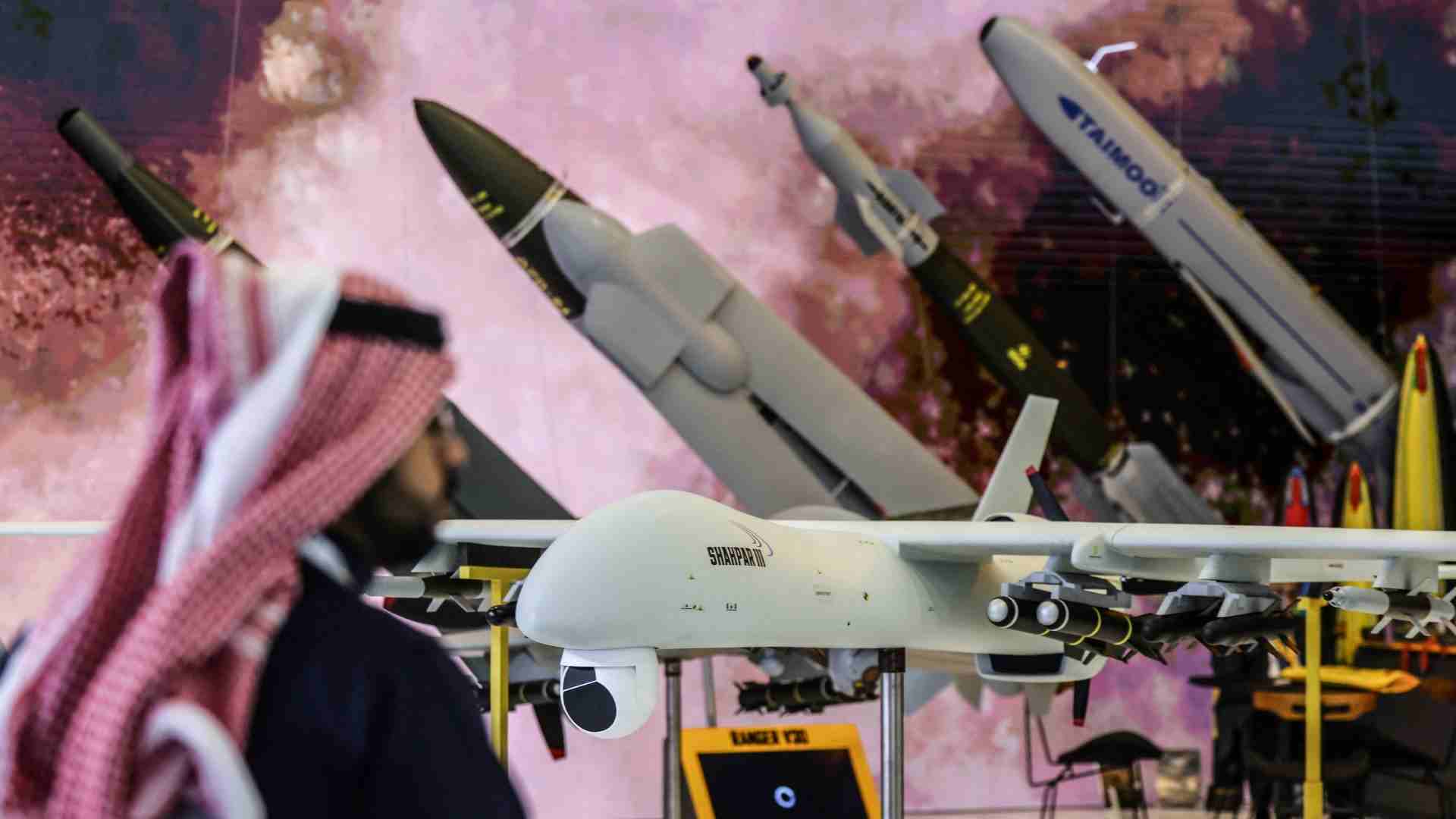
Saudi Arabia appears poised to emulate Iran’s drone warfare model, focusing on establishing a domestic drone manufacturing facility. Reports indicate that a collaboration between the Utah-based firm Vector Defense and Saudi’s SR2 Defense Systems is in the works, aimed at creating a joint venture named SR2Vector. This initiative aligns with a broader security strategy intended to enhance Saudi Arabia’s regional deterrent capabilities.

At the core of this venture is the SKYWASP drone, a one-way attack system designed to engage targets at distances up to 1,500 kilometres. This range encompasses significant areas within the Gulf, including vital urban centres and energy infrastructures. Such strategic capabilities would enable Saudi Arabia to strengthen its defensive posture against regional threats.

Should SKYWASP be deployed in substantial numbers, it could represent a transformative shift in military doctrine, prioritising mass-produced, expendable systems over precision strikes. This development may mark a departure from traditional air warfare paradigms where high-cost aircraft and missiles predominated.

Analysis of Iran’s Successful Drone Warfare

The effectiveness of Iran’s drone strategy provides valuable insights for Saudi Arabia’s emerging programme. The Iranian Shahed-series drones are often noted for their simplicity and cost-effectiveness, with production costs estimated between $20,000 to $35,000 per unit. In contrast, intercepting these drones typically necessitates the use of expensive missile defence systems, leading to a costly imbalance in military engagements.

This disparity has led to a reevaluation of military strategies across the region. Conventional air defence systems, which excel in countering traditional aerial threats, are increasingly challenged by waves of low-cost drone attacks. Consequently, militaries are confronted with the difficult task of addressing this new form of warfare while managing the costs associated with defending against cheap, unmanned threats.

For Saudi Arabia, the security of critical infrastructure remains a pressing issue. The kingdom has experienced numerous attacks targeting oil facilities and urban centres, revealing vulnerabilities even in the face of advanced defensive measures. This ongoing threat landscape is motivating Riyadh to reassess its military capabilities and prioritise domestic production of asymmetric warfare systems.

Integration with Vision 2030 and Implications for Regional Security

The push towards drone manufacturing aligns closely with Saudi Arabia’s Vision 2030, which aims to diversify the economy and bolster domestic manufacturing capabilities. Central to this vision is the localisation of defence production, reducing reliance on foreign suppliers. This includes not only unmanned aerial systems but also a variety of defence technologies essential for modern warfare.

The proposed SKYWASP initiative not only reflects this commitment but also highlights a broader shift from mere procurement to engagement in technological advancement within the defence sector. This industrialisation is expected to enhance Saudi Arabia’s self-defence capabilities significantly.

The involvement of US defence firms in this initiative signals a shift in the dynamics of security partnerships in the region. Such collaborations are designed to bolster allied defence capabilities while decreasing reliance on American forces. For Saudi Arabia and its neighbours, there is a distinct move towards establishing autonomous defence systems that can adapt quickly to changing threats in the region.

Emerging Trends in Regional Military Competition

The rise of cost-effective drone technology is leading to the onset of an arms race in the region. With lower production costs for unmanned systems, countries can project power without needing expensive fighter jets or missile systems, thereby raising the stakes in regional military dynamics.

This evolution in military capabilities raises complex issues around regional stability. The proliferation of drones complicates traditional deterrence methods, introducing new challenges related to attribution and escalation management. Critical sites, such as oil fields and airports, face a heightened risk of sustained disruptions, altering the economic landscape of the region.

Ultimately, as countries replicate Iran’s strategies, the military landscape in West Asia is evolving into one that prioritises rapid, scalable responses over conventional air superiority. Such developments are likely to shape the future of conflict in the region, where micro-level engagements will challenge existing power structures.

Long or Short, get news the way you like. No ads. No redirections. Download Newspin and Stay Alert, The CSR Journal Mobile app, for fast, crisp, clean updates!

App Store –  https://apps.apple.com/in/app/newspin/id6746449540 

Google Play Store – https://play.google.com/store/apps/details?id=com.inventifweb.newspin&pcampaignid=web_share

Latest News

Popular Videos
