


Rupee Hits All-Time Low, Breaches 96 for First Time Against US Dollar
The CSR Journal Magazine

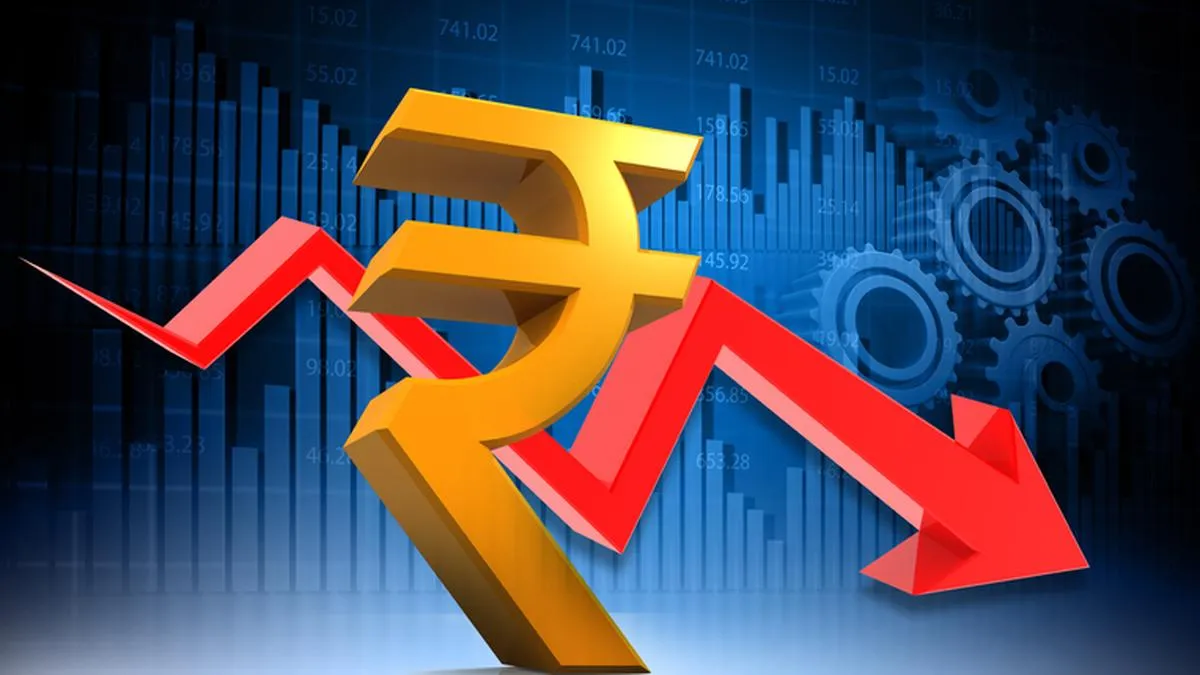
The Indian rupee has achieved an unprecedented milestone, reaching an all-time low by breaching the 96 mark against the US dollar. This significant depreciation highlights ongoing fluctuations in the currency’s value, reflecting broader economic conditions and market sentiments.

This historic low comes amid various global financial challenges, including rising inflation rates and shifting monetary policies that have placed pressure on the Indian currency. The rupee’s decline has been a topic of concern for economists, investors, and policymakers alike.

Market analysts indicate that the depreciation is partly influenced by elevated oil prices, with India being one of the largest importers of crude oil. The increase in fuel prices raises concerns over trade deficits and inflation, further weighing down the rupee’s strength.

Contributing Factors to the Rupee’s Decline

Several factors are contributing to the rupee’s downward trajectory against the dollar. Global economic uncertainty has accelerated capital outflows as investors seek safer assets. In addition, the unrest in other markets has impacted investor confidence in emerging economies like India.

Furthermore, the Reserve Bank of India (RBI) has acknowledged the challenges posed by external economic pressures, including interest rate hikes by the US Federal Reserve. The strengthening of the dollar against other currencies can also create a ripple effect, further aggravating the rupee’s depreciation.

The central bank’s policy decisions in response to these challenges will be crucial in determining the rupee’s future trajectory. Analysts are closely monitoring any interventions the RBI may undertake to stabilise the currency. These measures may include adjusting interest rates or direct market interventions.

Market Reactions and Future Implications

The market’s immediate reaction to the rupee’s decline has been varied, with mixed sentiments observed among traders and investors. While some are predicting further depreciation, others believe that a recovery might be on the horizon, depending on future economic developments.

Importers particularly face challenges as the rising cost of imports threatens to drive up prices domestically. This situation may impact inflation rates, influencing consumer spending and overall economic growth. On the other hand, exporters could potentially benefit from the weaker rupee, as their products become more competitively priced in international markets.

The trajectory of the rupee will also depend on international market conditions and the RBI’s monetary policy stance. Investors are advised to stay informed about ongoing economic indicators that could influence the currency’s performance, including fluctuations in commodity prices and geopolitical developments.

Continuous monitoring of these developments is essential, as the situation is fluid and may evolve rapidly. The RBI’s commitment to managing the currency effectively will play a pivotal role in stabilising the rupee in the months to come.

Long or Short, get news the way you like. No ads. No redirections. Download Newspin and Stay Alert, The CSR Journal Mobile app, for fast, crisp, clean updates!

App Store –  https://apps.apple.com/in/app/newspin/id6746449540 

Google Play Store – https://play.google.com/store/apps/details?id=com.inventifweb.newspin&pcampaignid=web_share

Latest News

Popular Videos
