


Railways’ Electrification Push Reduces Diesel Consumption by 63%
The CSR Journal Magazine

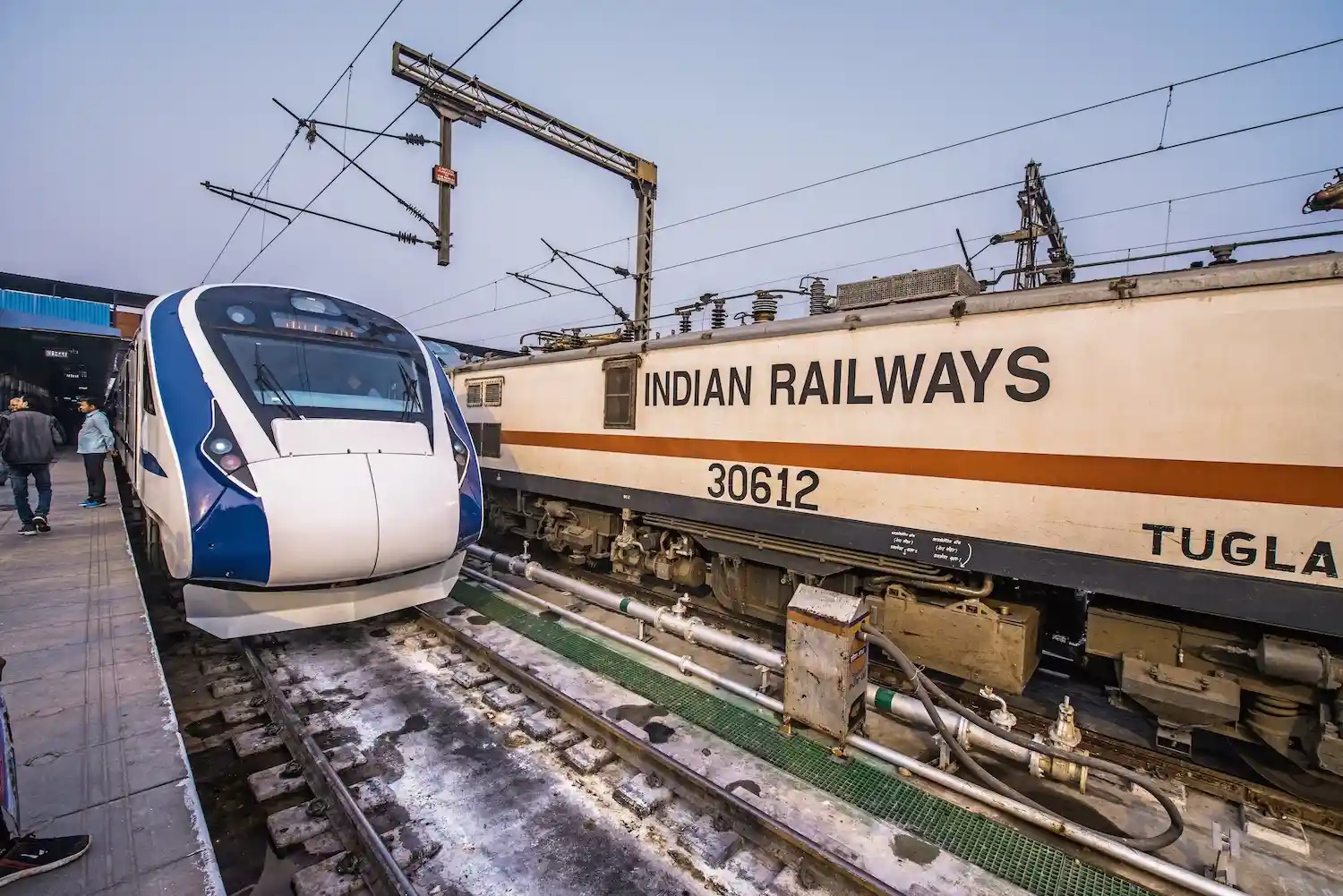
The recent initiative by Indian Railways to electrify its network has reportedly led to a significant decrease in diesel consumption. This initiative is part of a broader strategy aimed at enhancing efficiency and sustainability within the rail sector. The electrification of railway lines has the potential to reduce dependence on fossil fuels while also contributing to the reduction of greenhouse gas emissions.

Impact on Diesel Usage

Furthermore, this move is of particular importance given the increasing energy costs globally. The transition from diesel to electric traction is seen as a crucial step toward achieving long-term energy security and reducing the vulnerability of railways to fluctuating fossil fuel prices.

The accomplishment aligns with the Indian government’s broader objectives of increasing the share of renewable energy sources in the overall energy mix. By decreasing reliance on diesel, the Indian Railways is working toward achieving a more sustainable model of transportation.

Financial and Environmental Benefits

The financial implications of this move are notable. With the rise in diesel prices, the shift to electrification could lead to a staggering reduction in operational costs. Reports indicate that Indian Railways may save as much as Rs 12,000 crore annually due to the reduction in diesel consumption. Such savings can be vital for planning future expansions and enhancements, allowing the organisation to better cater to passenger and freight needs.

Additionally, this approach paves the way for enhanced electrification projects which can further lower costs and boost efficiency. This development is complemented by investments in modern technologies such as high-speed trains and improved signalling systems. The railways’ drive towards electrification is expected to reduce pollution levels significantly, aiding the government’s aim to meet its commitments to climate change mitigation.

In the wake of these advancements, public response has generally leaned toward favouring electrification as a sustainable option for transport. The process of reducing the carbon footprint of rail travel is vital for India’s environmental commitments, and the progress made so far is indicative of the potential benefits that can be realised through sustained efforts.

Future Prospects and Goals

The Indian government has set ambitious targets for the complete electrification of the rail network by the year 2023. Currently, approximately 85 per cent of the broad gauge network has been electrified, but further efforts are ongoing to reach full electrification across all railway divisions. Meeting this target will not only bolster the railway system’s efficiency but will also play a significant role in carbon reduction initiatives.

The electrification strategy harmonises with the government’s focus on enhancing mobility while addressing environmental concerns. Investment in electric traction is also expected to generate additional employment opportunities in the technology and infrastructural sectors, fostering economic growth.

In conclusion, the measures taken by Indian Railways to electrify its network and reduce diesel consumption by sixty-three per cent mark a significant milestone in the journey towards a cleaner, more efficient railway system. The implications are wide-ranging, influencing financial savings, environmental sustainability, and future developments within the sector.

Long or Short, get news the way you like. No ads. No redirections. Download Newspin and Stay Alert, The CSR Journal Mobile app, for fast, crisp, clean updates!

App Store –  https://apps.apple.com/in/app/newspin/id6746449540 

Google Play Store – https://play.google.com/store/apps/details?id=com.inventifweb.newspin&pcampaignid=web_share

Latest News

Popular Videos
