


Rahul Gandhi’s Remarks Cause Controversy in Lok Sabha
The CSR Journal Magazine

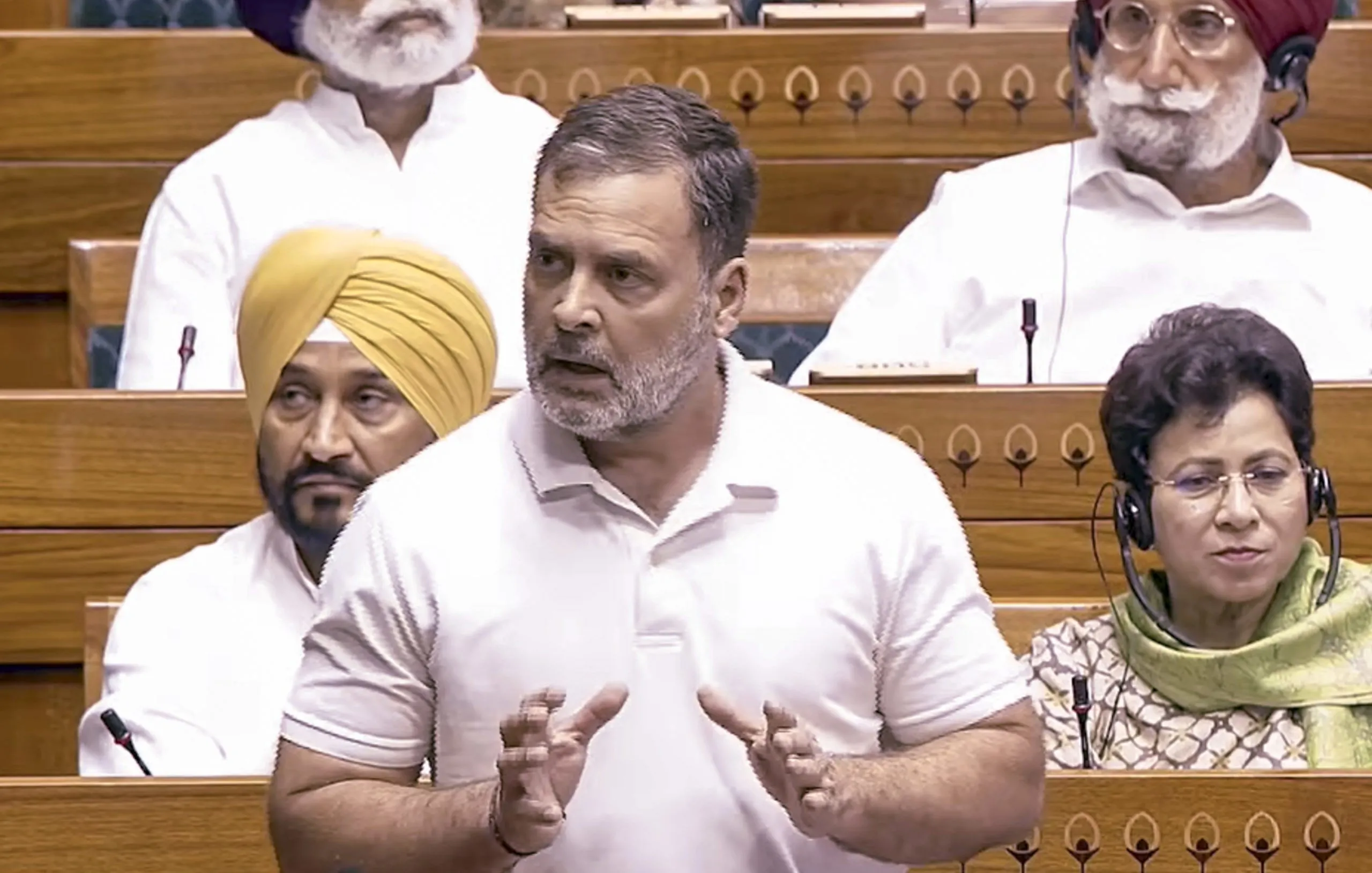
Controversy erupted in the Lok Sabha on July 29, 2026, following remarks made by Rahul Gandhi, the Leader of the Opposition. During a discussion, he cited a conversation with an 18-year-old student who categorised people into three groups: “students”, “idiots”, and “andhbhakts”. This distinction sparked significant debate within the parliament.

Gandhi explained that “students” are individuals who actively seek knowledge and are receptive to diverse opinions. On the other hand, he remarked that “idiots” are those who remain closed off to differing viewpoints. His comments ignited a strong reaction, particularly from members of the National Democratic Alliance (NDA), who took issue with the terminology used, especially the term “idiot”.

The discourse became heated, with several NDA MPs standing up to voice their protests and demand a retraction. Their objections underscored an increasing intolerance for remarks perceived as derogatory during parliamentary sessions. Gandhi’s categorisation prompted discussions about the need for respectful dialogue within the political arena.

Response from Parliamentary Members

As the uproar unfolded, it became clear that Gandhi’s remarks resonated deeply with some members while provoking outrage in others. Members from the NDA expressed that such language was inappropriate for a parliamentary setting, insisting that representatives should exemplify decorum and respect.

Moreover, outside of the Lok Sabha, various political analysts commented on the implications of Gandhi’s statements. They noted that the terms used could further polarise political discourse and deepen divisions among parties. The incident has rekindled discussions on the standards of communication expected from elected officials.

Some Congress representatives defended Gandhi, asserting that his comments were intended to shed light on the importance of open-mindedness and discourse in society. They indicated that the reaction from the NDA was an overreaction, suggesting that the focus should remain on the content of the message rather than the vocabulary.

Long-Term Impact on Political Dialogue

The fallout from this incident raises questions about the future of political communication in India. Observers have noted that such exchanges may set a precedent for how political figures engage with one another in the heat of debate. The increasing temperature of discussions in parliament may prompt calls for clearer guidelines on acceptable language and behaviour.

This incident may also affect public perception of political parties and their representatives. As the debate continues, citizens are likely to reflect on the nature of leadership and representation they desire in their elected officials. It heightens the importance of fostering a political culture that values civility, despite the differences in ideology.

Overall, the incident encapsulates the challenges faced by political leaders in articulating ideas while maintaining decorum. As this controversy unfolds, it is expected that political leaders will strive to achieve a balance between passionate expression and responsible dialogue in future discussions.

Long or Short, get news the way you like. No ads. No redirections. Download Newspin and Stay Alert, The CSR Journal Mobile app, for fast, crisp, clean updates!

App Store –  https://apps.apple.com/in/app/newspin/id6746449540 

Google Play Store – https://play.google.com/store/apps/details?id=com.inventifweb.newspin&pcampaignid=web_share

Latest News

Popular Videos
