


Political Defections in TMC and Shiv Sena Hint at Changing Dynamics
The CSR Journal Magazine

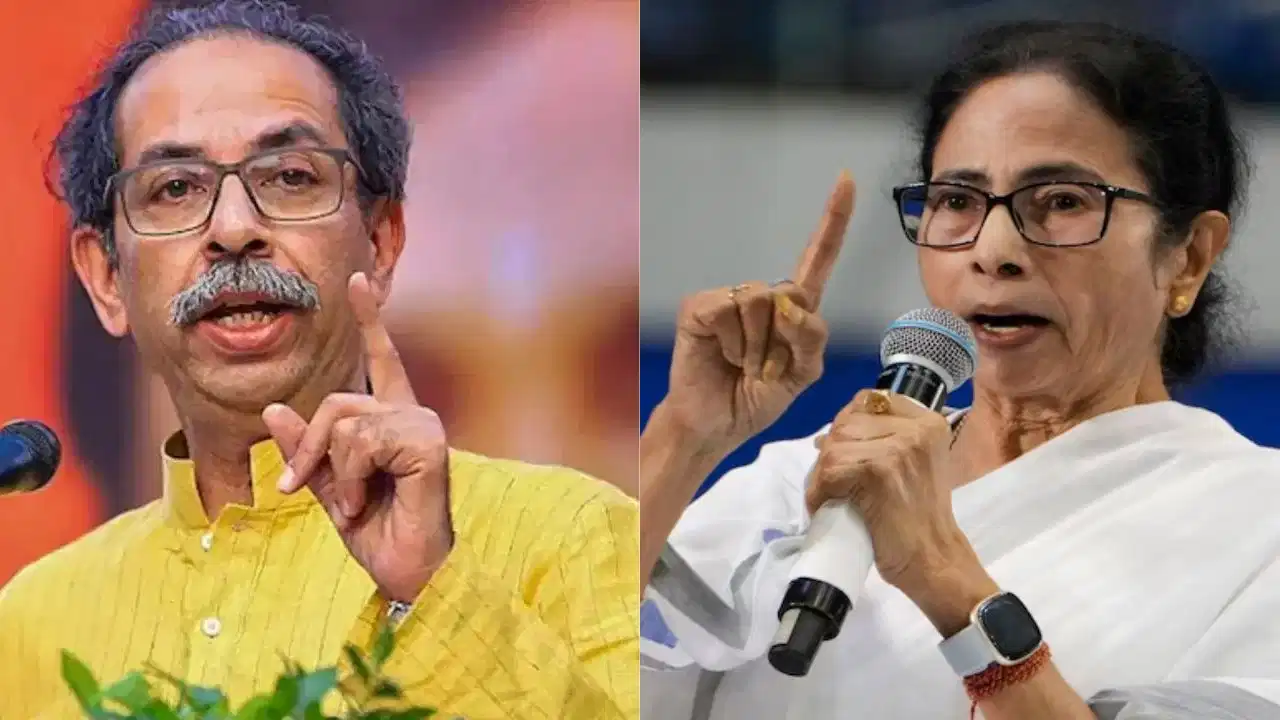
The recent political rebellions within the Trinamool Congress (TMC) and Shiv Sena (UBT) signal a notable transformation in how party splits are perceived. Unlike previous years when such splits were often accompanied by public vitriol and accusations, the current dissenters from both parties have opted for a more restrained approach. This is evident as legislators show respect for their leaders while party leaders refrain from launching personal attacks on defectors.

The juxtaposition of current events with past scenarios highlights a substantial change. Several years ago, political splits were synonymous with allegations of betrayal and treachery; however, today’s rebellions appear more courteous and strategically managed. Observers have begun to notice this shift in tone, with both the TMC and Shiv Sena navigating their internal crises in ways that demarcate a notable departure from former practices.

The Bitter Breakup of Shiv Sena in 2022

The Shiv Sena experienced a dramatic political upheaval in June 2022 when MLA Eknath Shinde instigated a revolt against then-Chief Minister Uddhav Thackeray. This dissent was rooted in objections to the Shiv Sena’s alliance with the Congress and the Nationalist Congress Party (NCP). Following his departure, Shinde garnered support from a significant number of MLAs, leading to the collapse of the Uddhav-led Maha Vikas Aghadi (MVA) government.

This division not only provoked a stir within political circles but also culminated in a series of legal confrontations that persist to this day regarding anti-defection laws. Eventually, the Election Commission of India recognised the Shinde faction as the legitimate Shiv Sena, a move that signified a major reconfiguration in Maharashtra’s political landscape.

In the aftermath of this split, the Nationalist Congress Party also experienced internal strife, characterised by public disputes among rival factions. The fallout from these divisions set a precedent for future political dynamics in the region.

The TMC Rebellion: Road to Fragmentation

The TMC’s troubles became apparent following its defeat in the 2026 West Bengal Assembly elections, stripping Mamata Banerjee of her 15-year tenure. A contentious issue arose over the appointment of a new Leader of the Opposition. Allegations of forgery regarding the nomination papers led to the expulsion of dissenting MLAs, which backfired as a significant faction rallied behind the expelled members, successfully challenging Banerjee’s authority.

This internal conflict highlighted dissatisfaction among party legislators regarding leadership decisions and internal governance. Despite the rift, many rebels professed loyalty to Banerjee, suggesting she take on an advisory role. This sentiment echoed as the dissent spread to parliamentary ranks, where some TMC MPs showed inclination towards the BJP-led NDA.

Banerjee’s response to the unfolding rebellion has been remarkable; she has primarily targeted the BJP in her statements, refraining from directly confronting the dissenters and suggesting that external actors may be fuelling the discontent within her party.

Uddhav Thackeray’s Emotional Response

The response from Uddhav Thackeray has shown a similar emotional inclination as he has navigated the current crisis within Shiv Sena (UBT). Rather than engaging in aggressive confrontations, he demonstrated a willingness to step down from leadership if dissatisfaction persisted among party members.

In his address during the party’s anniversary, Thackeray emphasised the enduring principles of Hindutva and Marathi pride that his faction represents. He dismissed allegations regarding a potential merger with Congress, while also allowing for the possibility that MPs wishing to leave were free to do so, advocating a less confrontational approach overall.

As political landscapes evolve in both West Bengal and Maharashtra, the implications of these rebellions pose significant challenges for established regional leaders. However, the softer rhetoric employed by the dissenters and party chiefs alike suggests a shift towards a more cordial manner of handling such splits, raising questions about the motivations behind this new norm in Indian politics.

Long or Short, get news the way you like. No ads. No redirections. Download Newspin and Stay Alert, The CSR Journal Mobile app, for fast, crisp, clean updates!

App Store –  https://apps.apple.com/in/app/newspin/id6746449540 

Google Play Store – https://play.google.com/store/apps/details?id=com.inventifweb.newspin&pcampaignid=web_share

Latest News

Popular Videos
