


Pakistan Acts As Messenger In US-Iran Negotiations, Says Expert Sanjeev Srivastava
The CSR Journal Magazine

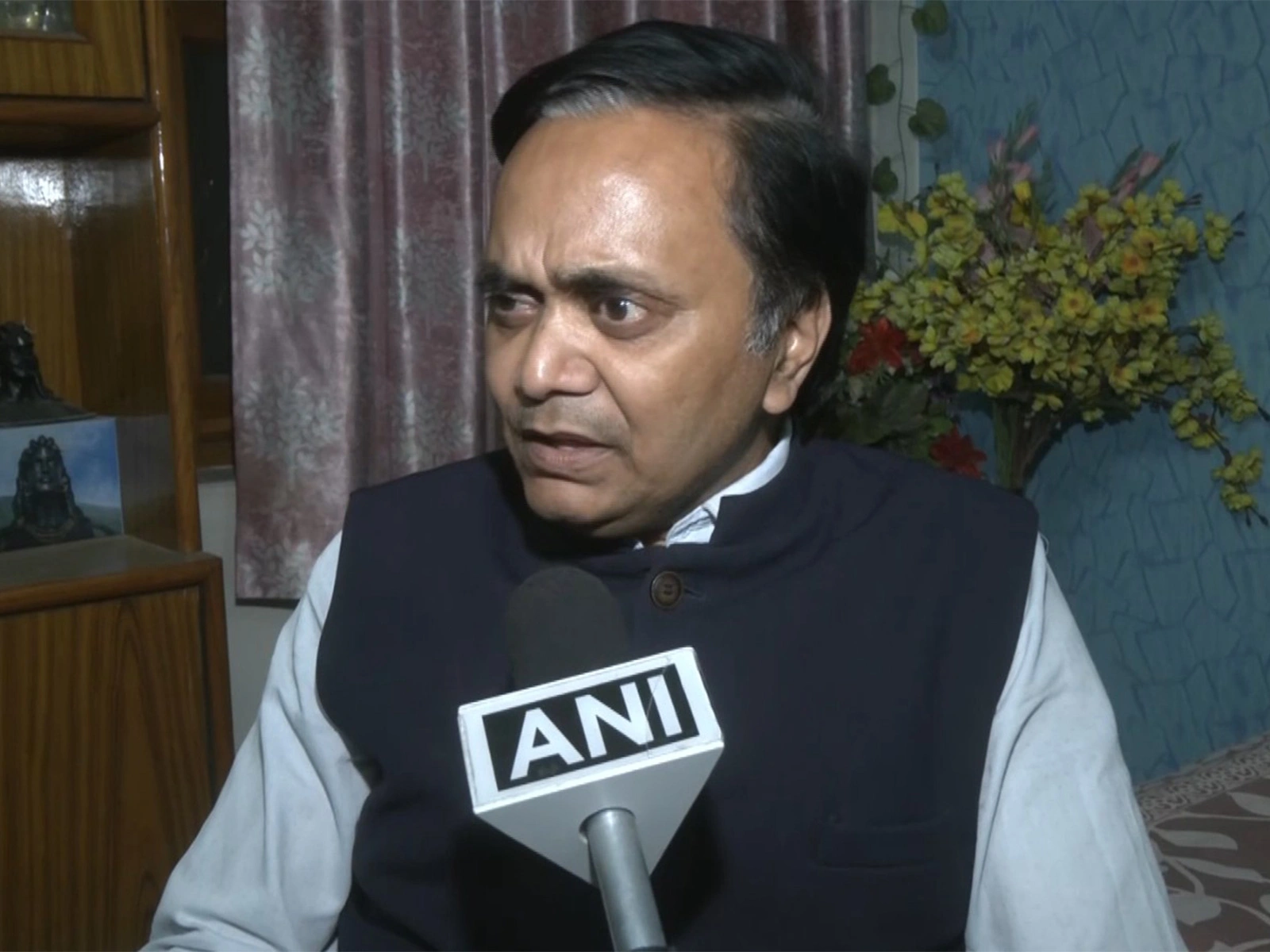
Defence and foreign affairs expert Sanjeev Srivastava remarked that India’s position on the ongoing diplomatic talks between the United States and Iran is affirmatively supportive. He noted that India has consistently advocated for dialogue as the path to resolving the crisis. During a recent statement, Srivastava highlighted that India’s support for this diplomatic endeavour is underpinned by a commitment to de-escalation and diplomacy.

Srivastava acknowledged India’s approval of the ceasefire announcement and indicated that the country is vigilantly monitoring the developments in the region. He expressed that, from New Delhi’s perspective, fostering peaceful negotiations is vital, and the recent ceasefire indicates a positive move towards resolution.

Pakistan’s Limited Role in the Negotiation Process

Regarding Pakistan’s involvement, Srivastava clarified that its participation in the US-Iran discourse is largely as a facilitator. He described Pakistan’s role as that of a messenger, tasked with relaying communications between the involved parties. Despite this, he asserted that Pakistan does not possess the credibility needed to significantly influence the outcomes of these negotiations.

He further elaborated that Pakistan’s influence in the talks is minimal, primarily serving logistical purposes rather than playing a pivotal role in shaping the dialogue. Srivastava pointed out that even if a deal is reached, it would not necessarily translate into substantial benefits for Pakistan.

Drawing parallels to previous instances, Srivastava suggested that Pakistan’s function is reminiscent of Oman’s earlier role, which successfully hosted indirect talks. However, he firmly stated that Pakistan’s contributions should not be overstated, as its effectiveness is limited to providing a meeting space.

Geopolitical Implications and Challenges Ahead

Srivastava discussed the broader geopolitical context surrounding US-Iran relations, pointing out the influential roles played by nations like China and India in fostering a conducive dialogue atmosphere. He emphasised that several global actors have taken the initiative to advocate for dialogue, indicating a collective interest in achieving stability in the region.

Commenting on US President Donald Trump’s potential visit to Islamabad, Srivastava interpreted it as an attempt to create a momentum for negotiations rather than a harbinger of imminent agreement. He explained that there remain significant differences between the involved parties, particularly owing to Iran’s unwavering stance alongside the rigid positions of both the US and Israel.

This intricate negotiation landscape poses challenges, with Srivastava noting that reaching a consensus would require both Iran and the US to step away from their entrenched positions. He warned of the global ramifications of the ongoing conflict, especially regarding energy markets, asserting that this crisis extends its impact beyond the immediate region to affect worldwide conditions.

As the situation unfolds, Srivastava underscored the necessity for responsible nations to collaborate towards achieving a ‘win-win’ outcome, which would be beneficial not only for the parties directly involved but for the global community at large.

Long or Short, get news the way you like. No ads. No redirections. Download Newspin and Stay Alert, The CSR Journal Mobile app, for fast, crisp, clean updates!

App Store –  https://apps.apple.com/in/app/newspin/id6746449540 

Google Play Store – https://play.google.com/store/apps/details?id=com.inventifweb.newspin&pcampaignid=web_share

Latest News

Popular Videos
