


Over 800 MBBS Seats Remain Vacant in Deemed Universities Across Tamil Nadu and Puducherry
The CSR Journal Magazine

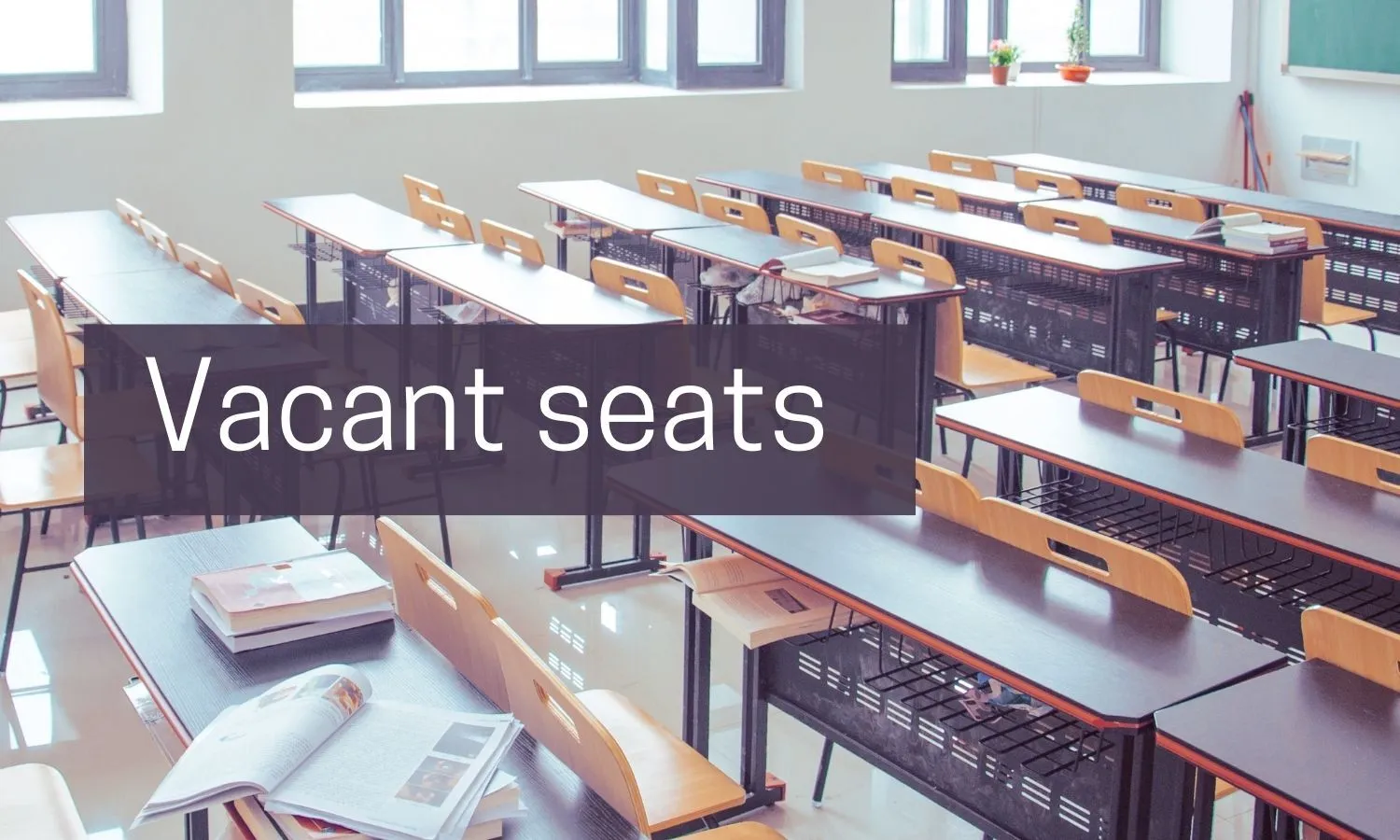
Over 800 medical seats are reportedly unfilled in deemed universities in Tamil Nadu and Puducherry following the final counselling for NEET UG 2026. Sources indicate that the high cost of tuition has been a significant factor in this situation. According to the Medical Counselling Committee, out of 837 vacant MBBS seats nationwide, 824 are located in deemed universities within these two regions.

Education experts have expressed concerns regarding the absence of a fee cap for deemed universities, suggesting that this has resulted in a scenario where high-scoring candidates are unable to secure admission due to financial constraints. They argue that this undermines the fundamental objective of a merit-based national entrance examination.

P B Prince Gajendra Babu, general secretary of the State Platform for Common School System – Tamil Nadu, stated that students who excel in NEET but lack the financial means to pay the high fees often choose not to apply for counselling. He noted that candidates with lower scores but better financial situations are more likely to secure seats, highlighting a flaw in the system that was designed to promote merit.

Calls for Reform in Medical Education

Critics have called for a reevaluation of the fee structures imposed by private medical institutions, including deemed universities. Babu suggested that those institutions unable to reduce their fees and subsequently fill their seats should be closed. He emphasised the need for state governments to establish a sufficient number of medical colleges to meet demand.

Industry professionals have also pointed to high annual tuition fees as a primary reason for the low enrolment numbers. A Srinath, a higher education career counsellor, noted that the annual fees for MBBS programmes in deemed universities in Tamil Nadu and Puducherry range from ₹25 lakh to ₹35 lakh. In addition, students are required to pay hostel and mess fees, which can add another ₹1.2 lakh to ₹2.5 lakh annually.

In contrast, the average annual fee for private institutions in other parts of India is approximately ₹17 lakh, which creates a significant financial disparity over the course of the four-and-a-half-year programme. This discrepancy in fees has led to a situation where many prospective students are unable to afford their education.

Future Counselling Rounds Under Consideration

With a considerable number of seats remaining unfilled, there is speculation regarding the possibility of an additional round of counselling. The Medical Counselling Committee is expected to make a decision on this matter in the near future, although details remain unclear at this time.

The situation has raised questions about the effectiveness of the NEET examination in achieving its intended goals. Stakeholders are advocating for immediate reforms to address the issues of accessibility and affordability in medical education, ensuring that deserving candidates are not left without opportunities due to financial barriers.

As the education sector continues to grapple with these challenges, the focus remains on finding solutions that can help bridge the gap between merit and financial capability, ultimately allowing more students to pursue careers in medicine.

Long or Short, get news the way you like. No ads. No redirections. Download Newspin and Stay Alert, The CSR Journal Mobile app, for fast, crisp, clean updates!

App Store – https://apps.apple.com/in/app/newspin/id6746449540

Google Play Store – https://play.google.com/store/apps/details?id=com.inventifweb.newspin&pcampaignid=web_share

Latest News

Popular Videos
