


Delhi Metro Introduces 20 Additional Weekday Trips as Grap Stage I Implemented Amid Declining Air Quality

The CSR Journal Magazine

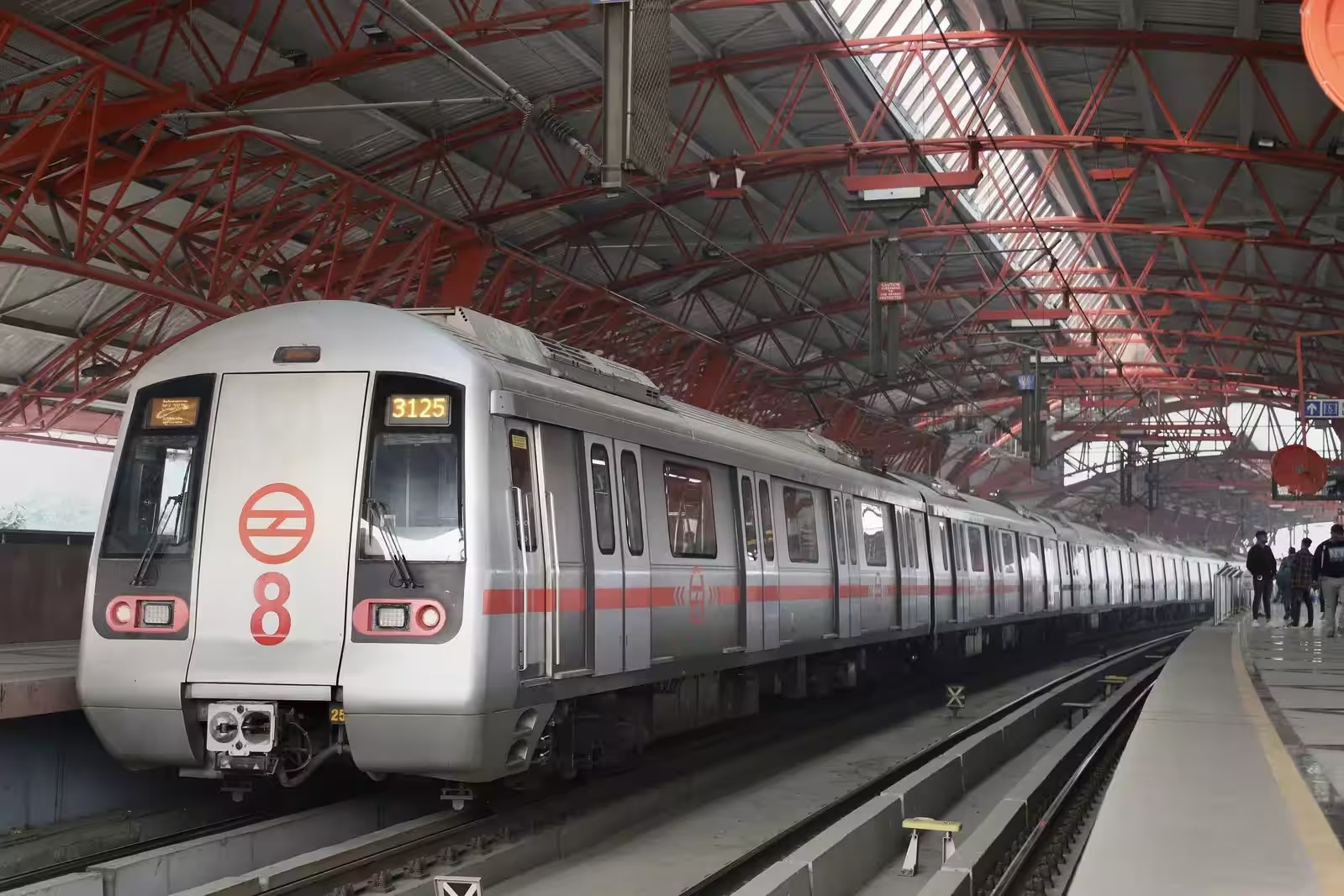
The Delhi Metro Rail Corporation (DMRC) has announced the introduction of 20 extra train trips on weekdays starting Thursday, October 22. This initiative coincides with the implementation of Stage I of the Graded Response Action Plan (Grap) in response to the declining air quality in the city. The DMRC aims to promote public transport usage, thereby reducing reliance on private vehicles.

In a statement posted on X, the DMRC’s official account, @OfficialDMRC, highlighted that these additional services are part of a broader strategy to alleviate traffic congestion and enhance commuter convenience. The corporation is also intensifying its anti-pollution initiatives at construction sites and surrounding areas across Delhi-NCR.

The decision to increase metro services follows the invocation of Grap Stage I by the Commission for Air Quality Management (CAQM) on Wednesday. This action was taken after a significant decline in air quality led to Delhi’s Air Quality Index (AQI) entering the ‘poor’ category.

Intensified Anti-Pollution Measures by DMRC

According to the DMRC, the intensified anti-pollution measures will focus on minimising dust at construction sites, cleaning accumulated dust from adjacent roads, and removing litter from footpaths and road medians. These actions are intended to mitigate the impact of construction activities on air quality.

Metro engineers will be tasked with inspecting construction sites and nearby roads to ensure that construction materials are adequately covered. Additionally, wheel-washing facilities for vehicles departing from these sites will be monitored to ensure they are operational. The DMRC stated that these measures will complement existing pollution-control strategies.

Currently, approximately 31 kilometres of city roads fall under DMRC’s temporary jurisdiction for metro construction work. The corporation has already undertaken repairs on most of these roads to prevent further pollution. Furthermore, over 250 anti-smog guns and mist guns have been installed at various construction sites, metro stations, and office buildings to help reduce dust levels.

Reasons for Invoking Grap Stage I

The CAQM’s decision to invoke Stage I of the Grap was prompted by a sharp deterioration in Delhi’s air quality following the Dussehra celebrations. The AQI surged from 179, categorised as ‘moderate’, on October 20 to 244 by 2 pm on October 21, thus entering the ‘poor’ category.

Forecasts from the India Meteorological Department and the Indian Institute of Tropical Meteorology indicated that the poor air quality is expected to persist in the coming days. Reports indicated that the AQI reached 245 at 4 pm on Wednesday, marking the highest level recorded this season and the worst since July 13.

Under Grap Stage I, mandatory dust-control measures are enforced at construction and demolition sites. Projects exceeding 500 square metres must have an approved dust-management plan in place. Open waste burning is prohibited, and the use of coal and firewood in commercial kitchens is banned. Diesel generators are restricted to essential services, and authorities are required to take action against visibly polluting vehicles, industries, and thermal power plants within a 300 km radius of Delhi.

The additional metro services and enhanced inspections at construction sites reflect the authorities’ commitment to preventing further deterioration of air quality in the region.

Long or Short, get news the way you like. No ads. No redirections. Download Newspin and Stay Alert, The CSR Journal Mobile app, for fast, crisp, clean updates!

App Store – https://apps.apple.com/in/app/newspin/id6746449540

Google Play Store – https://play.google.com/store/apps/details?id=com.inventifweb.newspin&pcampaignid=web_share

Latest News

Popular Videos