


Meghalaya’s Hills Reveal Vital Role of Bees in Honey Economy and Ecosystem Health
The CSR Journal Magazine

Meghalaya’s hills are home to a rich variety of bees, which play a crucial role in both honey production and the pollination of crops. The state government is taking steps to promote its honey on a global scale, with a focus on conservation and traditional practices. Chief Minister Conrad K. Sangma inaugurated an Apiculture Multi-Facility Centre-cum-Processing Unit in Mellim, located in the Rerapara block of South West Garo Hills, on Tuesday.

During the inauguration, Sangma highlighted the potential of Meghalaya’s honey, which has been described as among the best in the world. He mentioned plans for a Bee Museum and Interpretation Centre aimed at educating the public about honey production and marketing premium local products. The centre, which has been established with an investment of ₹1.52 crore, will facilitate honey collection, processing, bottling, testing, and marketing, as well as the manufacturing of bee boxes.

Under the Apiculture Mission 2.0, the state is actively engaging with 6,491 beekeepers across 12 districts, utilising 87 clusters. The initiative has already provided 32,455 bee boxes and equipment sets. In the third phase of the programme, 39 clusters produced 157.69 metric tonnes of honey during the 2024–25 period. However, establishing a successful honey industry will require more than just processing facilities; it will also necessitate healthy habitats and sustainable farming practices.

Mapping Bee Diversity in Meghalaya

A national assessment has identified 62 bee species in Meghalaya, comprising 48 free-living and 14 cleptoparasitic species, which represent approximately 7.49 per cent of India’s total recorded bee diversity. Furthermore, a taxonomic study conducted by researchers at the Indian Agricultural Research Institute has documented 108 bee species across 30 genera in agricultural ecosystems across seven districts in the state.

These studies underscore the significance of Meghalaya as a habitat for diverse bee species and highlight the need for further research and conservation efforts. Bees are essential not only for honey production but also for pollinating plants, which supports the growth of fruits, vegetables, and seeds. Their activities directly influence crop yields and the overall health of ecosystems.

Research conducted at the ICAR Research Complex for the North Eastern Hill Region focused on insect pollinators visiting cucurbit crops, such as ridge gourd and pumpkin. The study recorded 25 different pollinator species, with Hymenoptera, which includes bees and wasps, accounting for 80 per cent of the observed abundance. This research indicates the critical role of native bees in pollination services.

Traditional Beekeeping Practices and Community Involvement

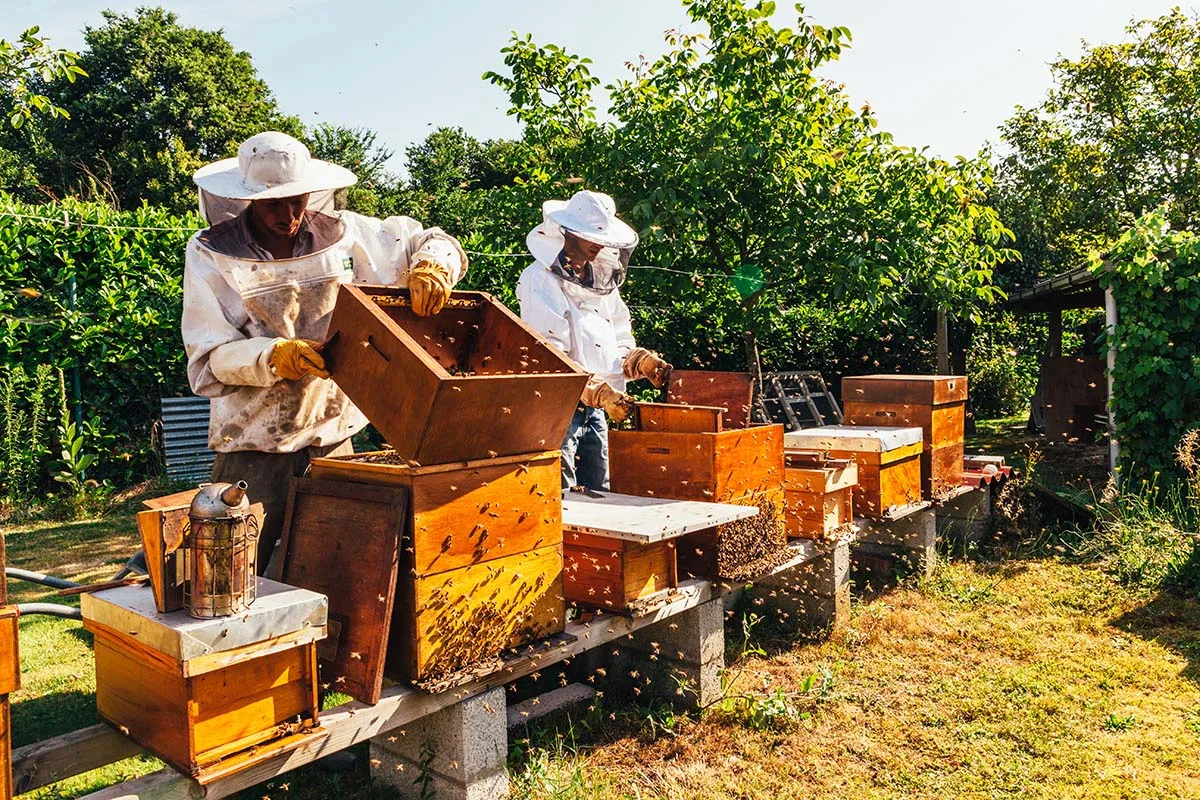
Long before scientific studies began documenting bee diversity, local communities in Meghalaya developed their own beekeeping methods. The North East Society for Agroecology Support (NESFAS) has documented traditional apiculture practices among the Khasi and Garo communities. In certain areas, households use traditional wooden boxes to rear local bee species, while in others, both traditional and modern methods coexist.

In regions like Daribokgre, beekeeping is closely linked to citrus cultivation, with many farmers also keeping bees. This relationship not only enhances fruit production but also provides an additional income source. Community facilitator Sengte Marak emphasised the dual benefits of beekeeping, which supports both honey production and agricultural productivity.

Phang Roy, the founder of NESFAS, stated that raising awareness about the importance of pollinators is essential. He advocates for the integration of scientific findings into educational materials to promote understanding among schoolchildren about pollinator diversity. Furthermore, he highlighted the need for sustainable beekeeping practices as demand for local honey increases.

In summary, Meghalaya’s expanding apiculture sector presents opportunities for enhancing honey production and market access. However, the success of this initiative will depend on the protection of native bee species and the promotion of sustainable farming practices that benefit both pollinators and local communities.

Long or Short, get news the way you like. No ads. No redirections. Download Newspin and Stay Alert, The CSR Journal Mobile app, for fast, crisp, clean updates!

App Store – https://apps.apple.com/in/app/newspin/id6746449540

Google Play Store – https://play.google.com/store/apps/details?id=com.inventifweb.newspin&pcampaignid=web_share

Latest News

Popular Videos
