


NASA To Launch Roman Space Telescope On August 30 From Kennedy Space Center
The CSR Journal Magazine

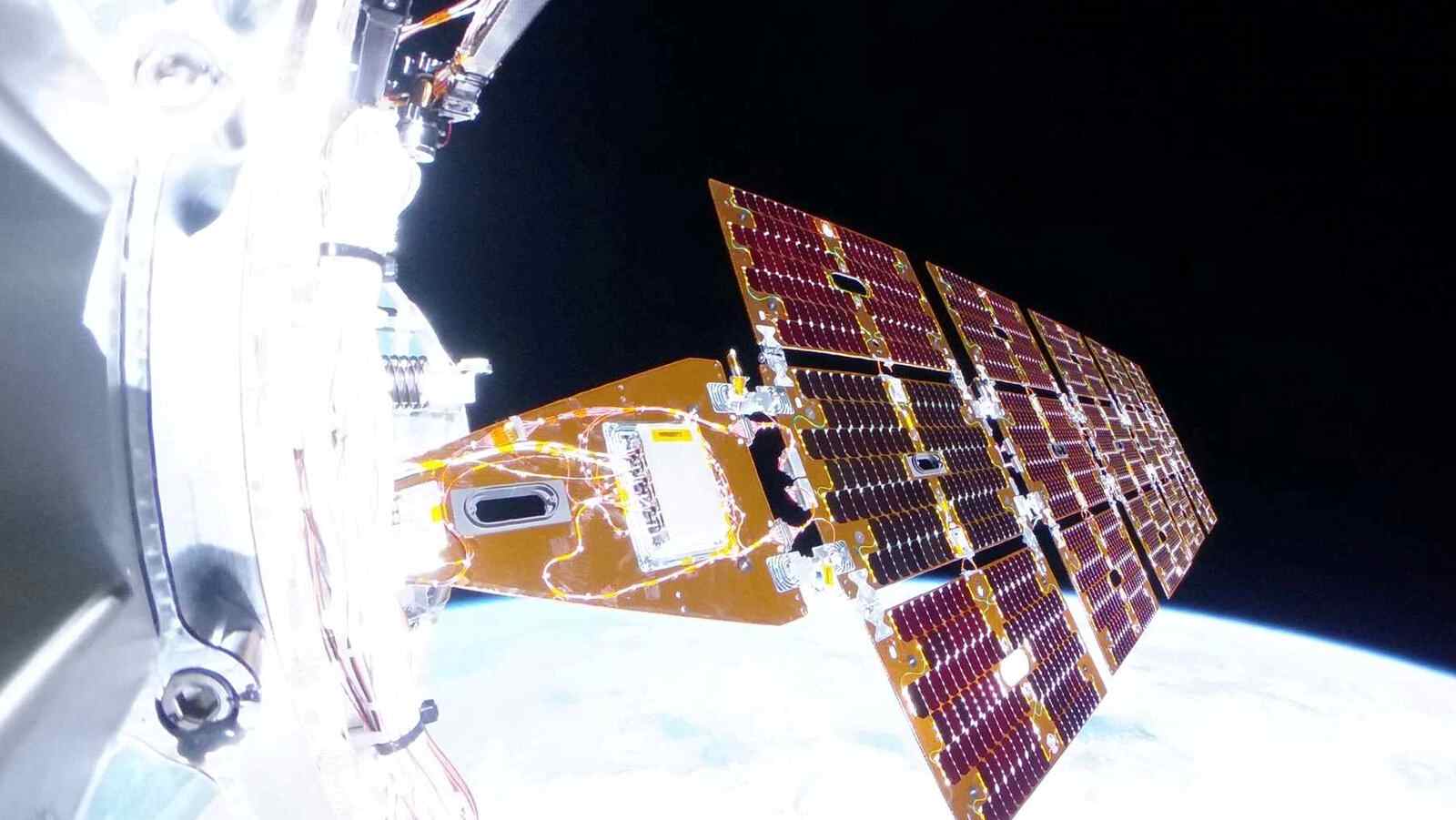
Nasa is preparing for the launch of the Nancy Grace Roman Space Telescope, aimed to take place on August 30. The mission will position this advanced infrared telescope approximately 1.5 million kilometres away from Earth. The launch is scheduled for 7:26 am EDT aboard a SpaceX Falcon Heavy rocket. It will depart from Launch Complex 39A at Nasa’s Kennedy Space Center located in Florida. Live coverage of the event is slated to commence at 6:20 am EDT.

The Roman Space Telescope, named in honour of Nasa’s first chief astronomer Nancy Grace Roman, represents a significant advancement in astronomical technology. Roman was a pivotal figure in the field and is often referred to as the “Mother of Hubble” due to her contributions to space science.

Scientific Objectives of the Roman Telescope

The Nancy Grace Roman Telescope is designed to enhance our understanding of the universe through its combination of sharp infrared vision and a remarkably wide field of view. This telescope can observe areas of the sky at least 100 times larger than the Hubble Space Telescope in a single observation. Such capabilities will facilitate extensive surveys of celestial phenomena on an unprecedented scale.

Key scientific objectives include investigating significant cosmological enigmas, namely dark energy and dark matter. Dark energy is postulated to be responsible for the accelerated expansion of the universe. Meanwhile, dark matter is an elusive substance inferred from its gravitational influence on visible matter.

In addition to these investigations, the telescope will seek out and analyse exoplanets revolving around distant stars. Additionally, Roman is set to map billions of galaxies and explore black holes, making comprehensive observations that range from our solar system to the farthest reaches of the observable universe.

Journey and Operational Details

Upon separating from the Falcon Heavy rocket, the Roman Telescope will embark on its trajectory towards the second Sun-Earth Lagrange point, referred to as L2. This particular region of space is approximately one million miles, or roughly 1.5 million kilometres, from Earth. It is known for its gravitational stability, allowing spacecraft to maintain a steady position relative to Earth and the Sun.

L2 is strategically significant, being home to several major space observatories that contribute to ongoing astronomical studies. Moreover, the primary mission of the Nancy Grace Roman Telescope is expected to last five years. Meanwhile, Nasa has aspirations for it to remain operational for as long as ten years.

Once the scientific data gathered by Roman is processed, it will be made publicly accessible. This initiative aims to enable researchers globally to analyse one of the largest and most detailed views of the universe ever compiled. It will foster collaborative exploration within the scientific community.

Long or Short, get news the way you like. No ads. No redirections. Download Newspin and Stay Alert, The CSR Journal Mobile app, for fast, crisp, clean updates!

App Store –  https://apps.apple.com/in/app/newspin/id6746449540 

Google Play Store – https://play.google.com/store/apps/details?id=com.inventifweb.newspin&pcampaignid=web_share

Latest News

Popular Videos
