


Mumbai Breathes Unhealthy Air as AQI Hits 178
The CSR Journal Magazine

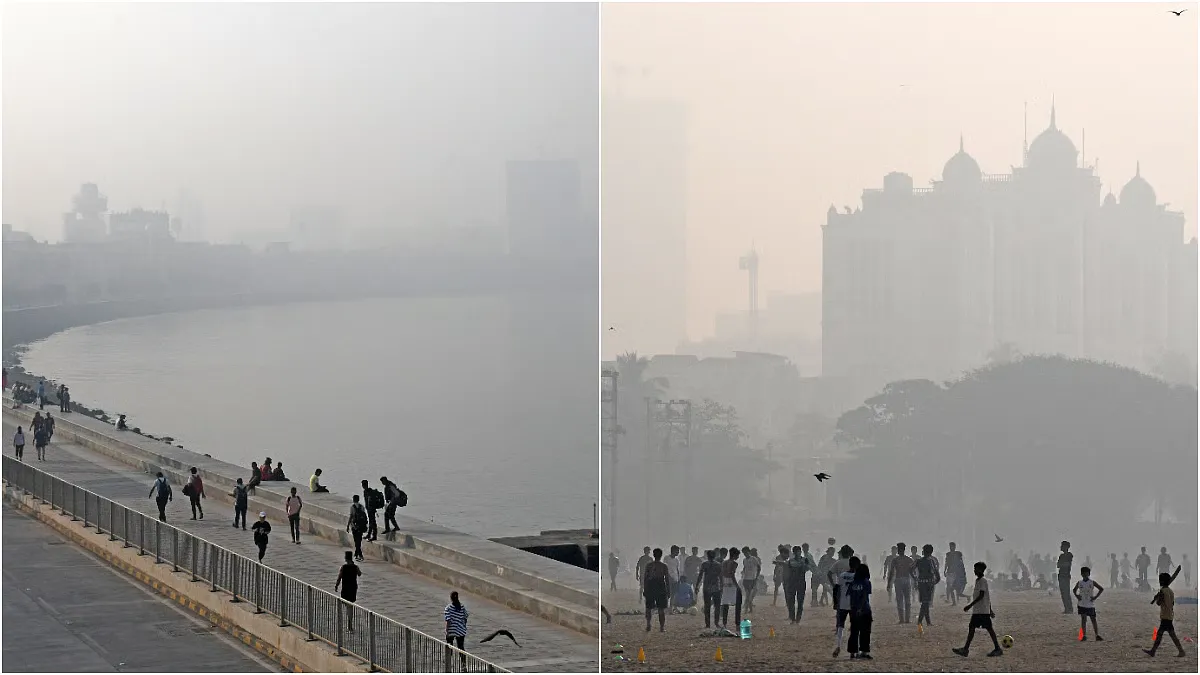
Mumbai, the financial capital of India, is facing growing concerns over air pollution as the Air Quality Index (AQI) reaches 178. The deteriorating air quality has raised concerns among residents, health experts, and environmentalists, highlighting the need for urgent measures to control pollution. With increasing vehicular emissions, construction activities, industrial pollution, and changing weather conditions contributing to poor air quality, the city faces another challenge in ensuring a healthier environment for its citizens.

What Does an AQI of 178 Mean?

An AQI reading of 178 generally falls under the moderate category on India’s National Air Quality Index scale. However, under the United States AQI scale, the same numerical reading is classified as unhealthy. The interpretation therefore depends on the index being used.

An AQI at this level indicates that air pollution is a significant concern, particularly for sensitive groups such as children, older adults, and people suffering from asthma or other respiratory and heart-related conditions. Prolonged exposure to polluted air may cause coughing, throat irritation, breathing difficulties, and discomfort, especially among those who are already vulnerable.

Major Causes of Air Pollution in Mumbai

Several factors contribute to Mumbai’s deteriorating air quality. The large number of vehicles on the city’s roads releases pollutants, including nitrogen dioxide and fine particulate matter. Traffic congestion and frequent stop-and-go movement can further increase emissions.

Construction and infrastructure development are also important sources of pollution. Dust generated by excavation, demolition, roadwork, and construction sites can increase particulate matter in the air, particularly when dust-control measures are inadequate.

Industrial emissions, waste burning, and diesel-powered generators can add to the pollution burden. Weather conditions, including low wind speeds and limited atmospheric dispersion, may also trap pollutants near the ground, allowing concentrations to rise in certain areas.

Health Risks for Residents

Poor air quality can affect daily life and public health. Exposure to polluted air may aggravate asthma, worsen existing respiratory conditions, and increase the risk of cardiovascular complications. Even people without pre-existing illnesses may experience eye irritation, coughing, headaches, or throat discomfort.

Children are particularly vulnerable because their lungs are still developing and they often spend time outdoors. Older adults and people with chronic illnesses should also take precautions when pollution levels rise.

Precautions to Reduce Exposure

Residents can take several steps to protect themselves during periods of poor air quality. People with respiratory conditions should monitor local AQI updates and follow medical advice. It is advisable to reduce strenuous outdoor exercise when pollution levels are elevated, particularly near busy roads and construction zones.

Keeping windows closed during periods of high outdoor pollution, avoiding areas with heavy traffic, and using a well-fitted N95 mask outdoors when necessary may help reduce exposure to airborne particles. Air purifiers with effective particulate filters can also improve indoor air quality when used appropriately.

Conclusion

Mumbai’s AQI reading of 178 underlines the importance of stronger pollution-control measures and greater public awareness. Authorities must strengthen dust management at construction sites, enforce vehicle-emission standards, discourage waste burning, and improve public transport. Citizens can contribute by choosing cleaner transport options and reporting visible pollution sources.

Clean air is essential for a healthy city. Sustained cooperation between government agencies, businesses, and residents is necessary to reduce pollution and protect Mumbai’s long-term environmental and public health.

Latest News

Popular Videos
