
Touchscreens have become integral to modern life, with their seamless responsiveness enhancing user experiences across smartphones and tablets. The science behind their operation is rooted in capacitive touchscreen technology, which utilises capacitance to detect touch. This property describes the ability of materials to store electrical charge, forming the basis of how these screens interpret human interaction.
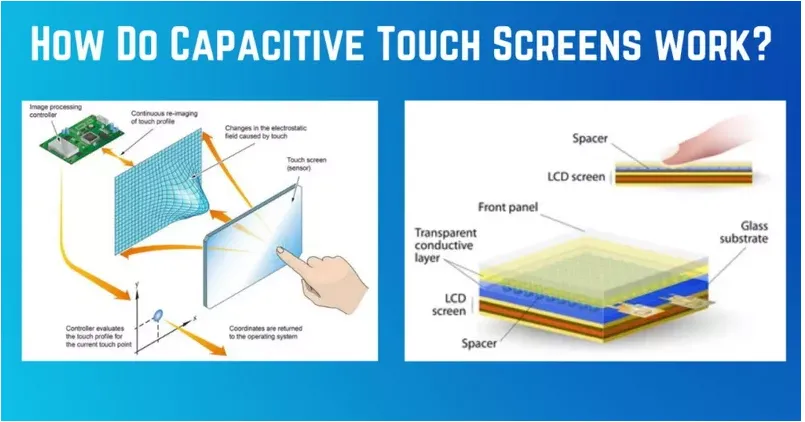
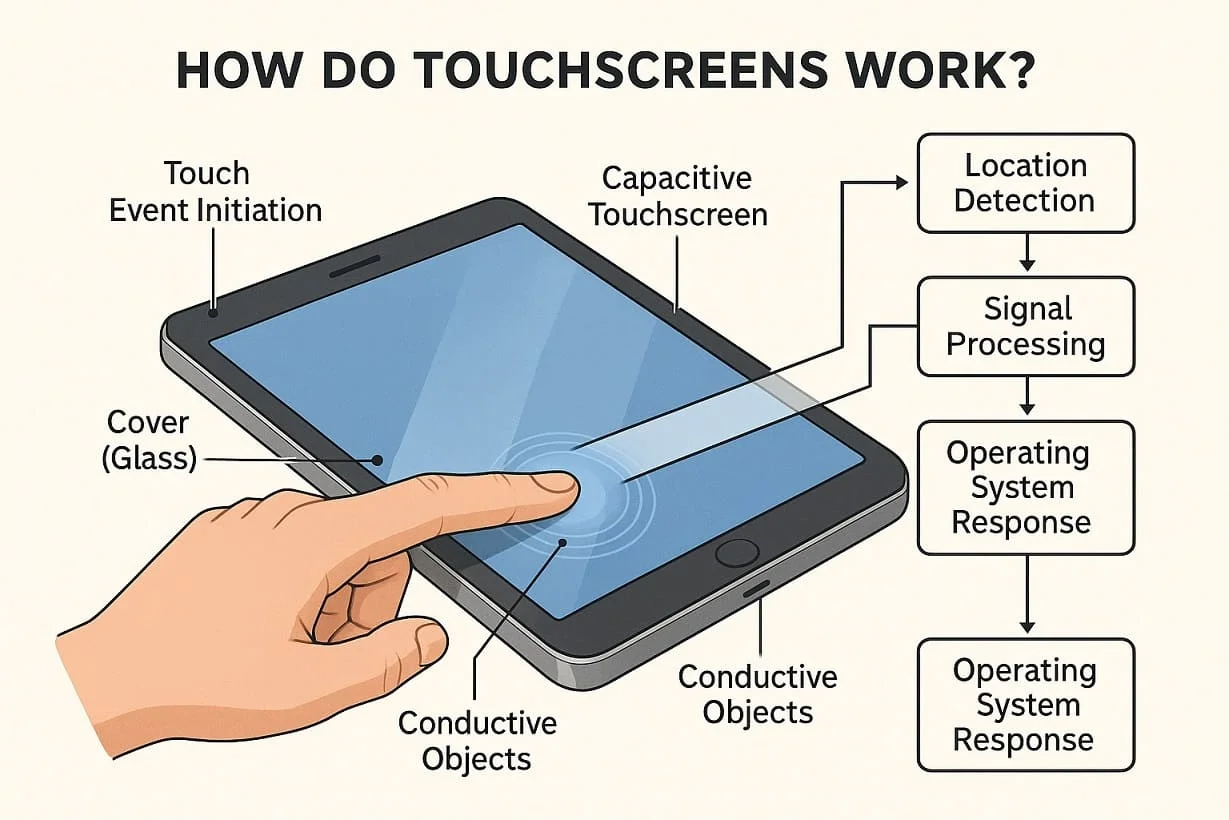
Unlike older touchscreen technologies that relied on pressure, contemporary devices use a thin, transparent layer embedded with conductive materials. This layer is continually charged with a consistent electrical signal. When a user’s finger approaches or touches the surface, it modifies the electrical field at that point, allowing the system to recognise the disturbance.
The human body conducts electricity due to its water and salt content, which facilitates this interaction. A user’s finger effectively withdraws a minute amount of charge from the screen, creating a detectable change in the electrical field. This alteration is identified by sensors embedded throughout the display, arranged in a grid pattern, which monitor fluctuations in the field continuously.