


Kanchipuram Silk Sarees Weave Tradition, Prestige and Economic Strength
The CSR Journal Magazine

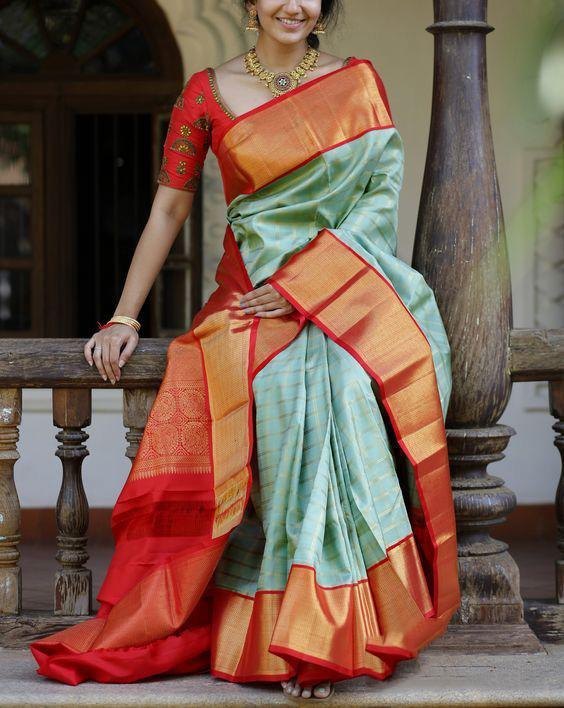
Kanchipuram silk sarees embody a rich tapestry of emotion, identity, and tradition. More than mere garments, these sarees represent a profound cultural significance in India. Known for their elegance, they are synonymous with royal appeal and have gained worldwide recognition for their exquisite craftsmanship.

Handcrafted from pure silk, Kanchipuram sarees are often embellished with gold and silver zari. Each piece exudes a distinctive sheen, coupled with a luxurious texture that is immediately noticeable. The intricate detailing contributes to their elevated status, ensuring they are cherished during celebrations and special occasions.

The allure of Kanchipuram sarees is exemplified by testimonials from visitors, such as Vaishnavi Reddy from Hyderabad, who remarked on their extraordinary detailing and timeless grace, suggesting that they leave a lasting impression without being ostentatious.

Historical Context and Craftsmanship

The tradition of Kanchipuram silk weaving dates back nearly four centuries, rooted in the migration of skilled weavers from Andhra Pradesh who brought their techniques along with them. Influenced by local temple architecture and culture, these sarees were originally crafted for deities and have since become integral to various celebrations.

According to Kartikeyan, the Production Manager at Prakash Silks, the commitment to authenticity is paramount, with the studio strictly producing handloom sarees. He highlighted the use of over a hundred looms to create traditional designs, reinforcing the area’s reputation for pure silk craftsmanship.

Silk weaving in Kanchipuram is described as a way of life for numerous families, passed down through generations. The process of weaving a single saree can span from several days to even weeks, reflecting the dedication and artistry that machine production cannot replicate.

Economic Impact and Industry Support

The Kanchipuram silk industry consists of a structured network of cooperative societies, with significant backing from the Tamil Nadu government. Entities such as Kamakshi Amman Weavers Cooperative Society and Murugan Weavers Cooperative Society are vital for sustaining this cultural heritage, promoting the craft and supporting its weavers.

With an estimated fifty thousand weavers and around sixty thousand looms in operation, the silk industry generates over ₹200 crore annually. This financial output underscores the sector’s importance not only as a cultural symbol but also as a significant contributor to the local economy.

Despite evolving fashion trends and the prevalence of machine-made textiles, Kanchipuram silk sarees continue to excel. Their unique quality and connection to tradition guarantee their lasting appeal, ensuring that this living legacy continues to thrive and evolve.

Long or Short, get news the way you like. No ads. No redirections. Download Newspin and Stay Alert, The CSR Journal Mobile app, for fast, crisp, clean updates!

App Store –  https://apps.apple.com/in/app/newspin/id6746449540 

Google Play Store – https://play.google.com/store/apps/details?id=com.inventifweb.newspin&pcampaignid=web_share

Latest News

Popular Videos
