


Justice Ujjal Bhuyan Advocates for Transparency in Judicial Appointments
The CSR Journal Magazine

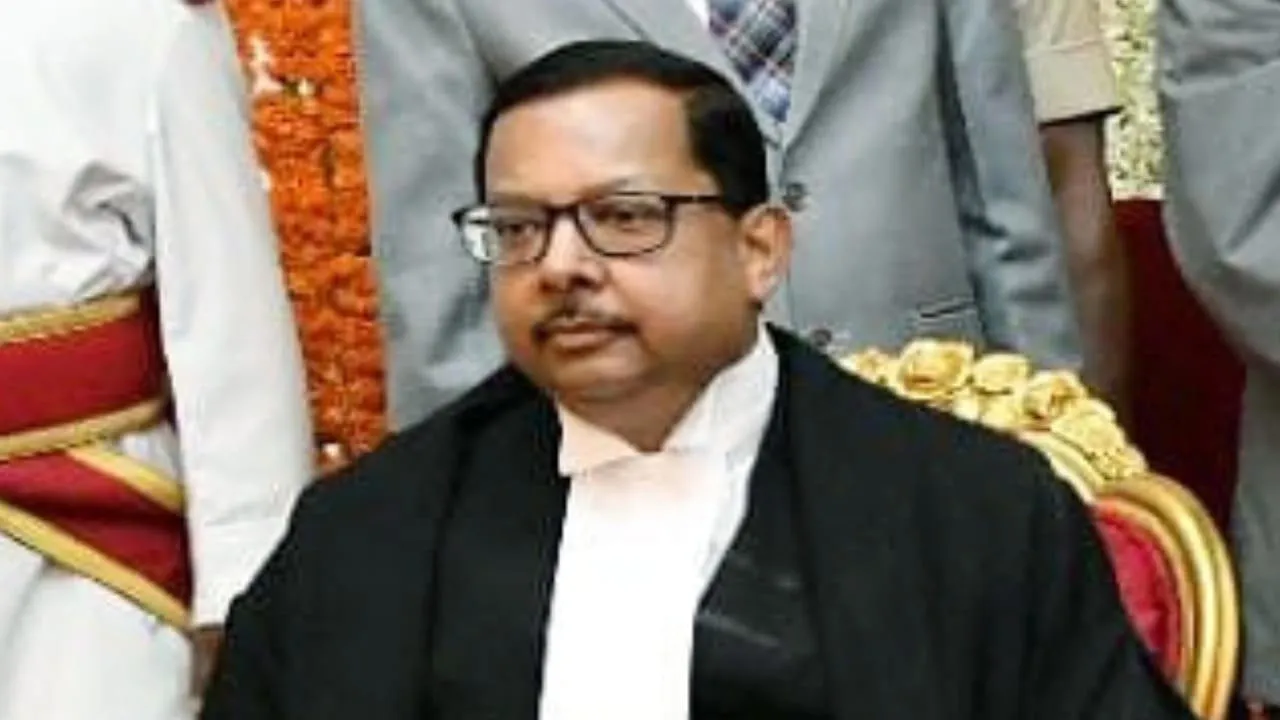
Justice Ujjal Bhuyan, a judge of the Supreme Court, emphasised the necessity for transparency in the appointment and transfer of judges during a recent event. He highlighted that many deliberations within the Supreme Court Collegium remain confidential, contradicting the essential principle of judicial transparency. Justice Bhuyan asserted that citizens deserve to know the details surrounding judicial appointments, including the identity of their judges.

At the launch of the Judicial Transparency Index, a report evaluating information disclosure by the Supreme Court and High Courts, Justice Bhuyan pointed out that reasons for rejecting or postponing recommendations for judicial appointments are seldom made fully available to the public. He believes that this lack of transparency undermines citizens’ rights to be informed about judicial processes.

Justice Bhuyan urged that the next assessment of the Judicial Transparency Index should specifically consider the transparency of the collegium system. He stated that the criteria for judicial appointments should be publicly accessible, as they significantly affect the judiciary’s integrity.

Concerns Regarding Recent Collegium Resolutions

The Supreme Court judge expressed concern over recent resolutions from the Collegium that have reportedly not recorded reasons for nominations to constitutional courts, a departure from earlier practices. Justice Bhuyan noted that previous statements would include reasons for recommending candidates, but this has not been evident in the last three resolutions.

He cited the resolution concerning Senior Advocate Saurabh Kirpal’s appointment as a judge, remarking that while the reasons initially recorded were convincing, no appointment had yet taken place even after a considerable period of over three years. This delay raises questions about transparency and accountability within the appointment process, according to the judge.

Justice Bhuyan articulated that the judiciary’s internal processes must be scrutinised with the same rigor as its judicial functions to ensure transparency is upheld. He reiterated the necessity of reinstating the practice of providing reasons for recommendations in Collegium resolutions.

Philosophical Foundations of Open Justice

In his address, Justice Bhuyan explored the philosophical underpinnings of open justice, citing its foundational role in any legal system. He referenced historical figures such as Plato, Hegel, and Jeremy Bentham, asserting that transparency in judicial proceedings is not merely beneficial but is crucial for governance.

He declared that the principle of open justice is entrenched in Indian legal doctrine, supported by constitutional and statutory provisions which mandate open courts, although with specific exceptions. This aspect highlights the judiciary’s responsibility to maintain transparency as part of its governance framework.

Justice Bhuyan acknowledged the significance of the Judicial Transparency Index report, presented by the Justice, Access and Lowering Delays in India (JALDI) Initiative, as a vital step towards enhancing institutional openness. He commended those involved in its preparation, recognising that while progress has been made, there remains a substantial journey ahead to foster systemic transparency in the judiciary.

Long or Short, get news the way you like. No ads. No redirections. Download Newspin and Stay Alert, The CSR Journal Mobile app, for fast, crisp, clean updates!

App Store –  https://apps.apple.com/in/app/newspin/id6746449540 

Google Play Store – https://play.google.com/store/apps/details?id=com.inventifweb.newspin&pcampaignid=web_share

Latest News

Popular Videos
