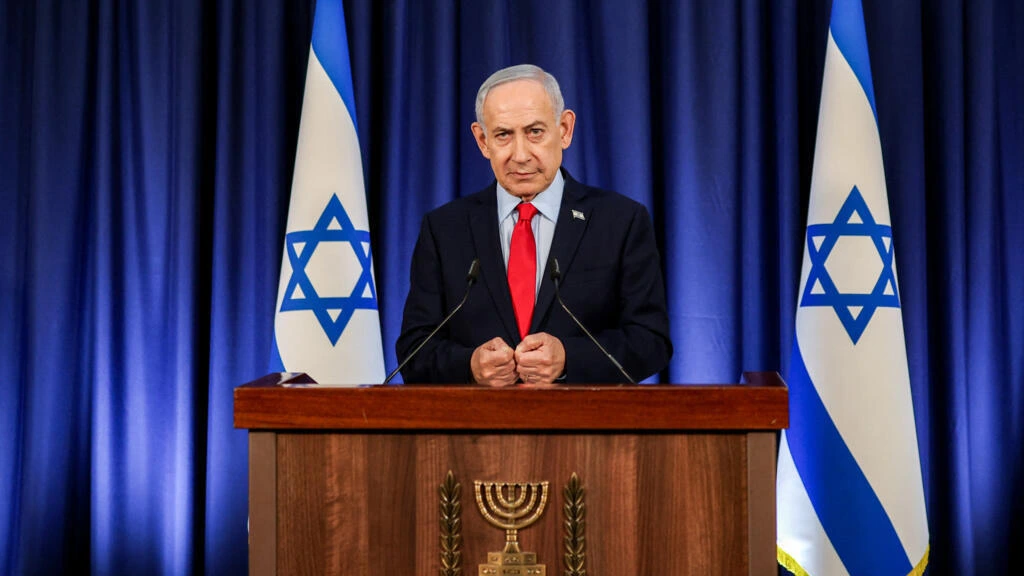
Israel is set to hold its first election since the events of October 7, 2023, with the outcome anticipated to serve as a referendum on Prime Minister Benjamin Netanyahu’s leadership. Security concerns, proposed judicial reforms, and the secular-religious divide are among the primary issues dominating the electoral landscape.
Notably, discussions surrounding a two-state solution to the Israel-Palestinian conflict have been largely absent from the campaign. Opinion polls suggest a tightly contested race between Netanyahu’s Likud party and the opposition led by former military chief Gadi Eisenkot. Neither party appears assured of securing the parliamentary majority necessary to form a government.
Additionally, former Prime Minister Naftali Bennett is spearheading a separate opposition alliance alongside Yair Lapid. Netanyahu is striving to maintain his position following three years of conflict and increasing calls for accountability regarding the October 7 attack, which resulted in approximately 1,200 fatalities and 251 hostages taken to Gaza. The PM has resisted demands for an independent state commission to investigate the security failures surrounding the incident.
Public Sentiment and Protests
Widespread public discontent has manifested in numerous demonstrations across Israel, particularly regarding the government’s management of the war and calls for accountability. A rally in Tel Aviv on Saturday reportedly attracted over 100,000 participants, with many advocating for a state commission of inquiry into the security lapses.
One protester, a student from Hebrew University, drew parallels between the October 7 events and the 2008 Mumbai attacks in India, highlighting the profound impact such tragedies can have on nations of varying sizes. The student emphasised that the scale of loss experienced by Israel would resonate deeply within its population of approximately 10 million.
Historically, significant military failures have influenced Israeli politics, as evidenced by the 1973 Yom Kippur War, which led to a shift in power dynamics. Netanyahu’s long-standing image as a security-focused leader has been challenged by the recent events, and accountability remains a central theme in the current campaign.
Ethnic and Religious Divides in Politics
The election has also highlighted ethnic and religious divisions within Israeli society, particularly between secular Israelis and the ultra-Orthodox community regarding military service. While most Jewish men are required to serve, Haredi men studying in religious institutions have traditionally received exemptions. This disparity has led to growing resentment amid the ongoing conflict.
Recent rulings by Israel’s Supreme Court have questioned the legality of blanket exemptions for Haredi men, adding further strain to Netanyahu’s coalition. The ultra-Orthodox parties continue to advocate for the preservation of these exemptions, while critics argue that the current system places an unfair burden on those who serve.
Polling data from the Israel Democracy Institute indicates a clear correlation between religious identity and political preferences, with a significant majority of secular voters supporting opposition parties. This dynamic could play a crucial role in the upcoming election, as both Netanyahu’s coalition and the opposition seek to mobilise their respective bases.
Potential Impact of Arab Voter Participation
Arab citizens, constituting roughly 21 per cent of Israel’s population, may significantly influence the election outcome. Analysts predict an increase in Arab voter turnout, which could sway the balance of power between competing political factions. The Arab-led Joint List and Ra’am are contesting separately, aiming to enhance Arab participation in the political process.
Whether Arab parties will support an opposition-led government has emerged as a pivotal question in the campaign. Ra’am previously provided parliamentary backing to the Bennett-Lapid government, and its leader, Mansour Abbas, has advocated for greater political engagement to benefit Arab communities.
The election will likely be shaped by a combination of Netanyahu’s leadership challenges, demands for accountability following October 7, and the ongoing debates over military service and judicial reforms. As the political landscape evolves, the outcome remains uncertain, with both Likud and opposition parties vying for dominance in a divided electorate.
Long or Short, get news the way you like. No ads. No redirections. Download Newspin and Stay Alert, The CSR Journal Mobile app, for fast, crisp, clean updates!
The upcoming general election in Israel, scheduled for 27 October, is drawing significant attention as it follows the recent Hamas-led attacks on 7 October....