


Iraq Probes Pipeline Attack on Saudi Arabia; Dismisses Maysan Commander
The CSR Journal Magazine

Iraq has launched an investigation into a drone attack on a vital Saudi oil pipeline that reportedly originated from its territory. On Saturday, the government confirmed that the strikes were initiated from within Iraq, leading to immediate actions to manage the implications of these allegations, particularly concerning local Iran-aligned militias.

Prime Minister Ali al-Zaidi has ordered a thorough probe into the operations in Maysan province, a region situated near the Iranian border. This situation arises amidst increasing pressure on Iraq to rein in armed groups that are perceived to be supporting Iranian efforts across the region. The Prime Minister’s actions indicate a concerted attempt to address the fallout from militia activities and their connections to larger geopolitical dynamics.

Saudi Arabia Responds to Pipeline Attack

Saudi Arabia took precautionary measures by shutting down its east-west pipeline following the drone attack. The Saudi Foreign Ministry has indicated that several drones from Iraq were involved in the incident, but the kingdom has chosen not to retaliate, allowing Iraq time to take appropriate measures against the militias allegedly responsible.

The East-West pipeline, constructed in the 1980s, plays a crucial role in Saudi Arabia’s oil exports, especially in light of previous disruptions in the Strait of Hormuz. Recent statistics indicate that, as of early June, the nation’s oil exports from the Red Sea port reached upwards of five million barrels per day, as reported by the International Energy Agency.

The Iraqi government has announced a deadline of September 30 for non-state armed groups to disarm, although many of these powerful militias have publicly declared their refusal to comply with such demands. This opens a potential avenue for continued tensions in the region.

Border Crossings With Iran Closed Amid Tensions

In conjunction with the investigation into the drone attack, Iraq has taken the significant step of closing two key border crossings with Iran, thereby halting all passenger and commercial traffic. Valiollah Hayati, the deputy governor of Iran’s Khuzestan province, confirmed that the Shalamcheh and Chazabeh crossings have been closed indefinitely, warning traders and travellers to stay away until further announcements are made.

This closure is part of Iraq’s strategy to manage its borders amid the rising local militia activities that align with Iranian interests. The recent developments, including changes in military command in Maysan and border security, reflect Baghdad’s urgent response to both internal and external pressures.

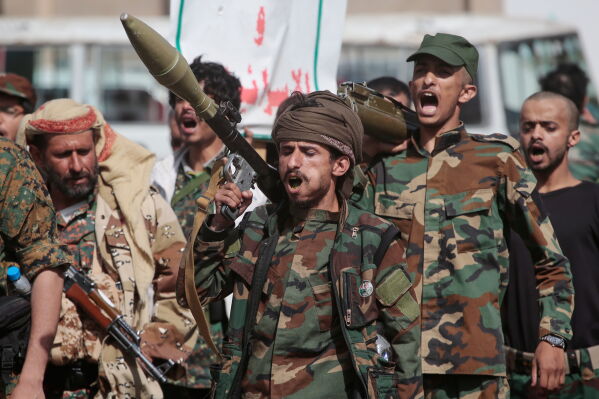
In July, Saudi Arabia and the United States conducted airstrikes targeting Iranian-backed militias in Iraq, attributing recent drone attacks on Saudi oil facilities to these groups. Regional officials have pointed towards a collaboration between Iraqi militias and the Houthis, who have intensified their activities against Saudi Arabia. This partnership has materialised into coordinated military action, further complicating an already tense situation in the region.

Yemen Conflict and Its Regional Implications

The implications of the recent upheaval are felt beyond Iraq. In Yemen, the Houthi rebels, aligned with Iran, have made significant territorial advancements, particularly along the country’s western coast. Their seizure of an island in the Bab el-Mandeb Strait, which is crucial for global shipping, raises concerns over potential disruptions that may inflate global oil prices, already affected by the ongoing conflict.

The ongoing violence has resulted in over 46,000 people fleeing their homes, as reported by the UN migration agency. The humanitarian crisis in Yemen has escalated, prompting fears for the welfare of the 40 million individuals facing food insecurity in what is considered the Arab world’s poorest nation.

Overall, the investigation into the pipeline incident, the closure of the borders, and the escalating conflict in Yemen contribute to a climate of heightened regional instability, intensifying the pressure on Iraq to manage militia activities effectively.

Long or Short, get news the way you like. No ads. No redirections. Download Newspin and Stay Alert, The CSR Journal Mobile app, for fast, crisp, clean updates!

App Store –  https://apps.apple.com/in/app/newspin/id6746449540 

Google Play Store – https://play.google.com/store/apps/details?id=com.inventifweb.newspin&pcampaignid=web_share

Latest News

Popular Videos
