


Sudan Drone Strikes Result in 21 Fatalities and Widespread Power Outages
The CSR Journal Magazine

Recent drone strikes in Sudan have led to the deaths of 21 individuals in the western Darfur region, with significant injuries reported. The strikes occurred in Nyala, which serves as the de facto capital of the paramilitary Rapid Support Forces (RSF) in Darfur. Eyewitness accounts and medical sources confirmed that the attack targeted a local market on Monday evening around 8:00 pm, resulting in at least 40 additional injuries.

A medic from Nyala Hospital stated that the casualties included both civilians and RSF fighters, although the exact number of fighters among the deceased remains unclear. The market, frequented by young men, was reportedly a known gathering place for RSF personnel.

The ongoing conflict in Sudan, which has escalated since April 2023, has seen the military and RSF exchanging drone strikes, with Nyala frequently becoming a target of military operations. The RSF has established a rival administration in the region, challenging the internationally recognised government based in Khartoum.

Power Supply Disruption Across Eastern Sudan

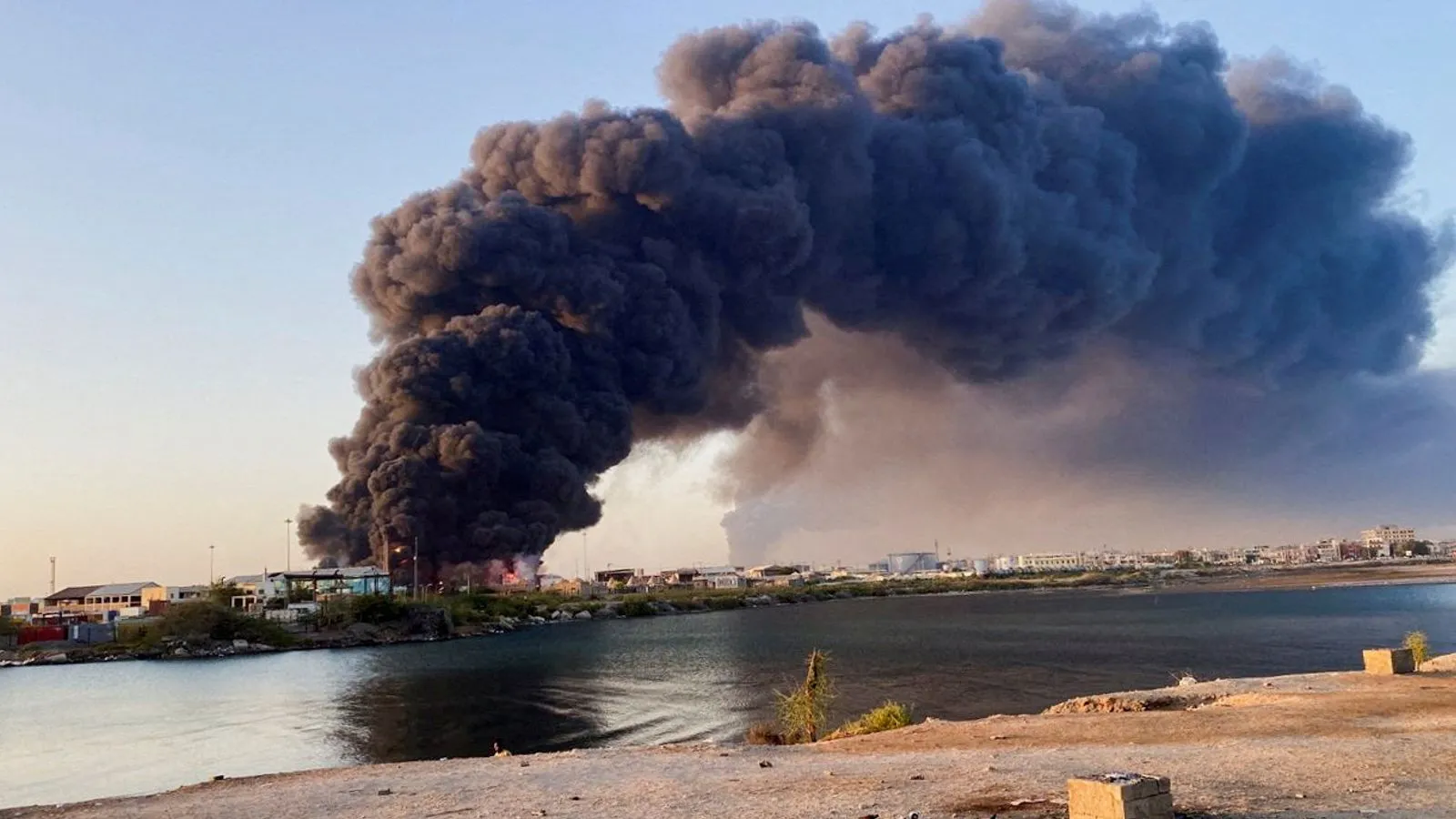
The drone strikes have not only caused fatalities but have also resulted in significant disruptions to electricity supply in eastern Sudan. On Tuesday, RSF drones targeted the Al-Markhiyat transformer station, leading to widespread power outages in Khartoum and Al-Jazira states. A source from the national electricity company disclosed that this attack has severely affected the power supply across large areas.

This incident follows a coordinated drone assault by the RSF on six power stations, which left millions without electricity in Al-Jazira, White Nile, Sennar, and Gedaref states. The ongoing conflict has primarily shifted to aerial warfare, with both factions employing drones to carry out attacks, leading to a high number of civilian casualties.

According to a United Nations report, over 300 individuals have died from drone strikes in the first three weeks of October alone. The war has resulted in an estimated 200,000 fatalities since its inception, contributing to one of the largest humanitarian crises in the world.

Concerns Over Food Security and Humanitarian Access

The United Nations has raised alarms regarding the impact of ongoing attacks on power infrastructure, which jeopardise health services for millions. Despite nearly three million people returning to Khartoum state following its recapture by the army, many face challenges in rebuilding their lives amid an unstable environment and a faltering economy.

Basic services such as power and water remain unreliable, and many residents are struggling to secure food due to the economic collapse. On Monday, a coalition of 30 countries, including the United States, France, and the United Kingdom, issued a warning about the urgent need to address the risk of famine in Sudan.

The countries highlighted the alarming deterioration of food security, attributing it to the ongoing conflict, a plummeting currency, rising fuel prices linked to the Middle East conflict, and drought conditions exacerbated by the El Niño climate phenomenon. In response, Sudan’s foreign ministry claimed that the situation regarding food security was “reassuring,” accusing foreign nations and organisations of exploiting the humanitarian crisis for political gain.

Long or Short, get news the way you like. No ads. No redirections. Download Newspin and Stay Alert, The CSR Journal Mobile app, for fast, crisp, clean updates!

App Store – https://apps.apple.com/in/app/newspin/id6746449540

Google Play Store – https://play.google.com/store/apps/details?id=com.inventifweb.newspin&pcampaignid=web_share

Latest News

Popular Videos
