


Iran Rejects US Response to Conditions for Strait of Hormuz Reopening
The CSR Journal Magazine

Iran has turned the Strait of Hormuz into a pivotal point to gauge the United States’ commitment to a resolution. Following a recent proposal from Washington, Tehran has indicated that it is not satisfied with the response to seven conditions laid out for the reopening of this strategic maritime route. Iranian officials assert that several of their demands remain inadequately addressed, heightening tensions regarding global energy shipments.

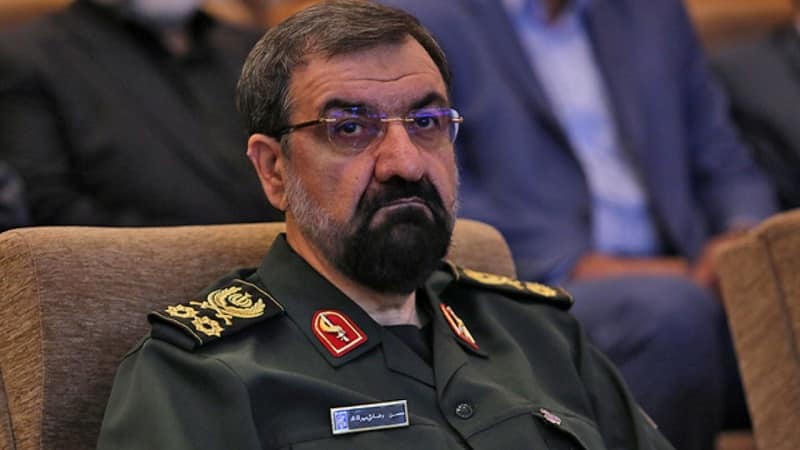
Mohsen Rezaei, who serves as the security chief and secretary of the Supreme National Security Council, articulated that the US response was “insufficient.” He called for Washington to clarify its position on the unresolved issues before any substantive negotiations could take place. Rezaei asserted that Iran had made it clear that the Strait of Hormuz would remain closed until their stipulated conditions were met.

The Strait of Hormuz is a critical waterway, responsible for transporting approximately 20 per cent of the world’s oil and liquefied natural gas supplies. This geopolitical standoff risks intensifying concerns over global energy security, particularly in light of the ongoing conflict that erupted in late February due to US and Israeli actions against Iran.

US and Iran’s Diplomatic Channels

Efforts to resolve the situation have seen the US utilising Qatari intermediaries to relay communications between the two nations. These diplomatic exchanges aim to facilitate an end to the ongoing conflict and restore normal shipping operations. Iranian officials have noted that the US proposals aim to rebuild trust and move toward a more robust version of a previously established memorandum of understanding from June.

This earlier agreement not only included provisions about the Strait of Hormuz but also addressed concerns related to Iran’s nuclear programme. A source familiar with the negotiations informed Reuters that the principal disagreement lies in the sequence of the proposed actions rather than the specifics of the plan itself.

Despite ongoing discussions, Tehran has unequivocally stated that it is not prepared to engage in talks regarding its nuclear programme at this juncture. Iranian Foreign Ministry spokesperson Esmaeil Baghaei remarked that the US proposals reflected earlier positions and maintained that Iran’s immediate concern was focused on the Strait of Hormuz.

Iran’s Military Preparedness and Regional Tensions

In light of its unresolved relations with the US, Tehran has issued warnings of renewed military readiness should diplomatic avenues prove ineffective. Iran’s Foreign Minister Abbas Araghchi expressed that the nation is prepared for military confrontation if the US chooses to abandon peaceful negotiations. He emphasised Iran’s increased readiness and willingness to take necessary measures for self-defence.

Furthermore, Iranian military spokesperson Mohammad Akraminia confirmed that the country plans to enhance its missile range, underscoring the heightened military posture. The regional conflict seems to be expanding, with US President Donald Trump mentioning potential involvement in Saudi military actions against Yemen’s Iran-backed Houthi movement following recent attacks on Saudi airports.

The Houthis have claimed responsibility for a recent strike on Riyadh’s international airport, resulting in casualties and injuries. As tensions escalate, the situation in the Middle East continues to develop, with Iran remaining a focal point in the discourse surrounding regional stability and security.

Long or Short, get news the way you like. No ads. No redirections. Download Newspin and Stay Alert, The CSR Journal Mobile app, for fast, crisp, clean updates!

App Store –  https://apps.apple.com/in/app/newspin/id6746449540 

Google Play Store – https://play.google.com/store/apps/details?id=com.inventifweb.newspin&pcampaignid=web_share

Latest News

Popular Videos
