


Iran Rejects U.S. 48-Hour Ceasefire Proposal, Escalating Regional Tensions
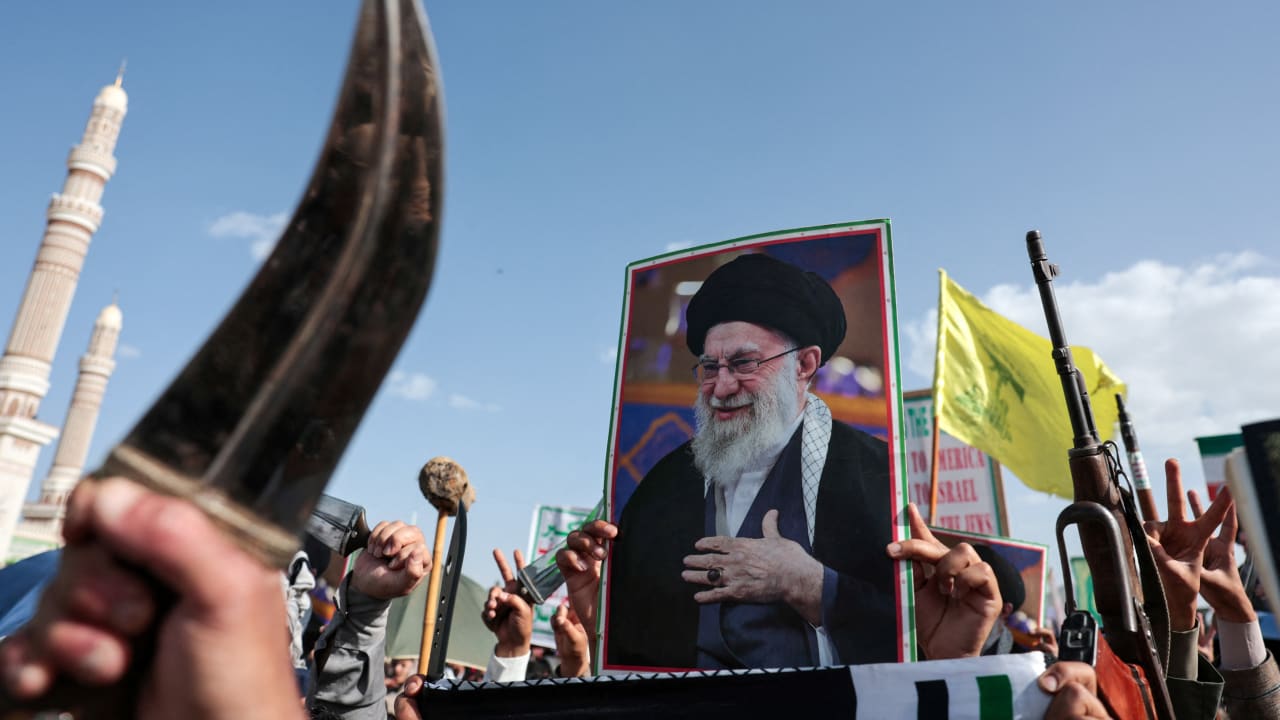
The CSR Journal Magazine

The Middle East remains a region of escalating tensions as Iran has firmly turned down a proposal from the United States for a temporary 48-hour ceasefire. This rejection highlights the ongoing volatility that has gripped various nations in the region, intensifying fears of broader conflict.

Details of the US Proposal

The US had proposed the short-lived ceasefire in an attempt to alleviate the humanitarian crisis resulting from current hostilities. The suggestion aimed at providing a brief respite for civilians caught in the chaos and facilitating the delivery of essential aid. However, Iranian officials have stated that they find the proposition unacceptable and insufficient given the current circumstances.

Iran’s Stance on Regional Engagement

Iran’s refusal to accept the ceasefire proposal is rooted in its ongoing stance of resistance against what it perceives as Western interference in its domestic and regional affairs. High-ranking Iranian officials have articulated their belief that any ceasefire would merely serve the interests of the US and its allies, undermining Iran’s strategic objectives and its role in the region.

Impact on Humanitarian Efforts

International Reactions to the Ongoing Crisis

The international community continues to watch the situation closely, with various governments expressing concern over the rising violence. Meanwhile, diplomatic efforts to mediate the conflict have intensified, but the rejection of the ceasefire signals deepening divisions among the involved parties. Some nations call for renewed dialogues, while others reiterate their support for Iran’s defensive posture.

Regional Dynamics and Historical Context

The current conflict in the Middle East is not occurring in a vacuum; it is linked to a long-standing history of geopolitical tensions in the region. The interplay of local rivalries, sectarian divisions, and the influence of foreign powers has contributed to a complex landscape marked by frequent clashes. Analysts note that this backdrop complicates any attempts to broker lasting peace or stability.

Future Prospects for Ceasefire Initiatives

With Iran’s firm rejection of the US’s ceasefire proposal, the future of diplomatic initiatives aimed at curbing violence remains uncertain. Stakeholders in the region are likely to continue assessing the evolving situation, seeking opportunities for dialogue amid a backdrop of hostility. Observers emphasize that a durable resolution to the conflict will require addressing underlying issues rather than mere temporary measures.

On-the-Ground Situation

In conflict-affected areas, the situation remains precarious, with reports indicating heightened military activity. Civilians continue to be impacted severely, facing threats to their safety and well-being. The ongoing cycle of violence has resulted in significant casualties and displacement, further complicating the prospect of any immediate peace initiatives. As the situation unfolds, the humanitarian needs of the affected populations will remain at the forefront of discussions among international organizations and governments.

Long or Short, get news the way you like. No ads. No redirections. Download Newspin and Stay Alert, The CSR Journal Mobile app, for fast, crisp, clean updates!

App Store –  https://apps.apple.com/in/app/newspin/id6746449540 

Google Play Store – https://play.google.com/store/apps/details?id=com.inventifweb.newspin&pcampaignid=web_share

Latest News

Popular Videos
