


Oil Tanker Catches Fire After Hitting Mine in Hormuz
The CSR Journal Magazine

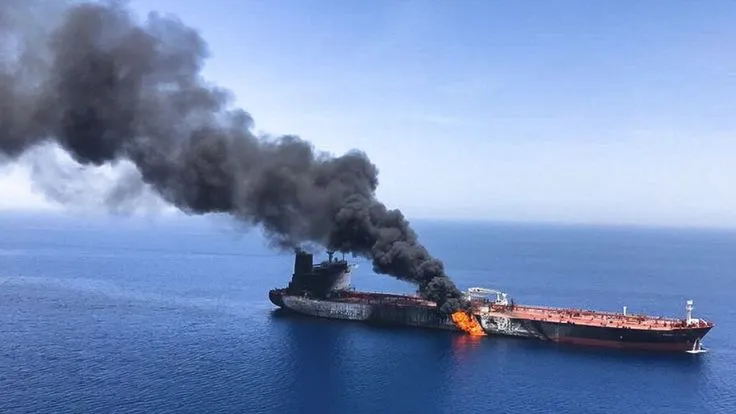
The Iranian Revolutionary Guards announced on Monday that an oil tanker caught fire in the Strait of Hormuz after allegedly striking a naval mine. This incident marks a continuation of tensions in the region, particularly as Iran has increased its control over the vital waterway. The Strait of Hormuz is crucial for global oil transportation, with approximately one-fifth of the world’s oil passing through this route.

According to Iranian state media, the tanker was navigating in an “unauthorised southern route” when it struck the mine, leading to an explosion and subsequent fire in its engine room. The Guards indicated that the vessel had disabled its positioning and navigation systems, which is a violation of the regulations set forth by Iranian authorities.

This incident follows a recent warning from Admiral Ali Ozmaei, the naval commander of the Revolutionary Guards, who stated that any vessel that deactivates its navigation systems would be regarded as “hostile.” This warning highlights the increasing scrutiny and control that Iran is exerting over maritime activities in the region.

Context of Increased Tensions in the Region

The Strait of Hormuz has become a focal point of tension since late February, when hostilities escalated between Iran and the United States, along with Israel. Following the outbreak of conflict, Iran has reportedly tightened its grip on the waterway, asserting that all vessels must seek prior authorisation before transiting through the strait. This move has raised concerns among international shipping companies regarding the safety and legality of their operations in the area.

In a related incident just a day prior, the Revolutionary Guards reported that two additional oil tankers had caught fire in the strait after also hitting mines. These incidents collectively underscore the heightened risks associated with navigating through this strategically significant maritime corridor.

The United States has responded to Iran’s actions by imposing a naval counter-blockade aimed at Iranian oil exports. This counter-blockade is part of broader efforts to counteract Iran’s influence in the region and to ensure the free flow of maritime trade through the Strait of Hormuz.

Implications for Maritime Security

Industry experts have expressed concerns that the ongoing tensions could lead to a significant disruption in global oil supplies, especially if Iran continues to enforce its control over the strait. The situation remains fluid, and stakeholders in the shipping and energy sectors are closely monitoring developments to assess the risks involved.

As the geopolitical landscape continues to evolve, the international community is urged to engage in dialogue to address the underlying issues contributing to the tensions in the Strait of Hormuz. Ensuring the safety and security of maritime routes is essential for maintaining global trade and energy supplies.

Long or Short, get news the way you like. No ads. No redirections. Download Newspin and Stay Alert, The CSR Journal Mobile app, for fast, crisp, clean updates!

App Store – https://apps.apple.com/in/app/newspin/id6746449540

Google Play Store – https://play.google.com/store/apps/details?id=com.inventifweb.newspin&pcampaignid=web_share

Latest News

Popular Videos
