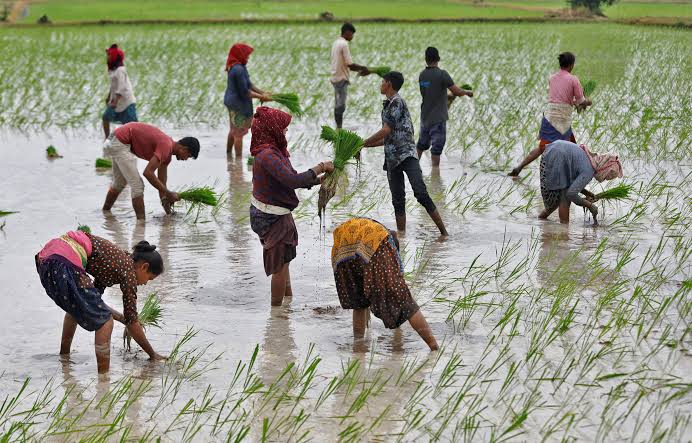
India’s rice production is anticipated to witness a decrease this year as a result of inadequate rainfall during the critical maturation period of the crop. Industry officials have indicated that the output could fall by approximately 10 million metric tonnes, translating to a nearly 6.5 per cent reduction from last year’s record production of 154 million tonnes. This decline would represent the most significant shortfall since the 2009-10 period, when a drought induced by El Niño adversely affected crop yields.
The rice production shortfall is primarily attributed to a prolonged dry spell affecting several southern and eastern states, leading to diminished yield potential. BV Krishna Rao, the president of the Rice Exporters Association, has highlighted concerns regarding the impact of these weather conditions on overall rice production in the country.
Given that India is the largest producer and exporter of rice in the world, this predicted decrease could have widespread implications, especially as it may lead to an increase in domestic rice prices, further complicating the nation’s export dynamics.
Impact of Rainfall Deficit on Cultivation
Since the commencement of the four-month monsoon season on June 1, India has experienced a 15 per cent deficit in rainfall, according to data from the weather department. In certain key rice-growing regions, the deficit has reportedly reached as much as 42 per cent. These statistics underscore the potential challenges facing farmers as they strive to maximise crop productivity amidst adverse weather conditions.
As of September 11, the area cultivated with summer-sown rice stood at 42.68 million hectares, which is nearly 4 per cent lower than the area cultivated during the same period last year. It is important to note that summer-sown crops account for over 80 per cent of India’s total rice production, while winter-sown crops contribute the remaining share. Concerns have arisen regarding the area under winter-sown rice as well, given the current reservoir levels which remain below normal.
Nitin Gupta, deputy country head at Olam Agri India, has expressed concerns over the potential decline in cultivation areas if the prevailing conditions do not improve. This further exacerbates worries about food security and the stability of rice supplies in the domestic market.
Pressure on Domestic Prices and Export Capabilities
The expected drop in rice production has already started to exert upward pressure on domestic prices. As a result, export prices have surged to their highest levels in over a year. Farmers cultivating premium rice varieties may benefit from the increased market prices, which could encourage them to sell less to the government, further influencing supply dynamics.
Despite the forecasted decrease in production, India is not likely to encounter an immediate shortage for exports, primarily due to substantial stockpiles accumulated in previous years. As of September 1, India’s rice reserves, including unmilled paddy, reached a record 59.6 million tonnes, significantly exceeding the government’s target of 10.3 million tonnes by October 1.
These ample inventory levels offer a buffer, allowing India to sustain rice exports without implementing restrictions. This situation enables the country to maintain export levels at record highs, even amid domestic price pressures stemming from lower production forecasts.
Long or Short, get news the way you like. No ads. No redirections. Download Newspin and Stay Alert, The CSR Journal Mobile app, for fast, crisp, clean updates!
Telangana, India: Diageo India (United Spirits Ltd.), among the country’s leading beverage alcohol companies today announced the launch of a regenerative agriculture programme with...