


India Monitoring US Proposal for 100% Tariffs on Oil Importers: Randhir Jaiswal
The CSR Journal Magazine

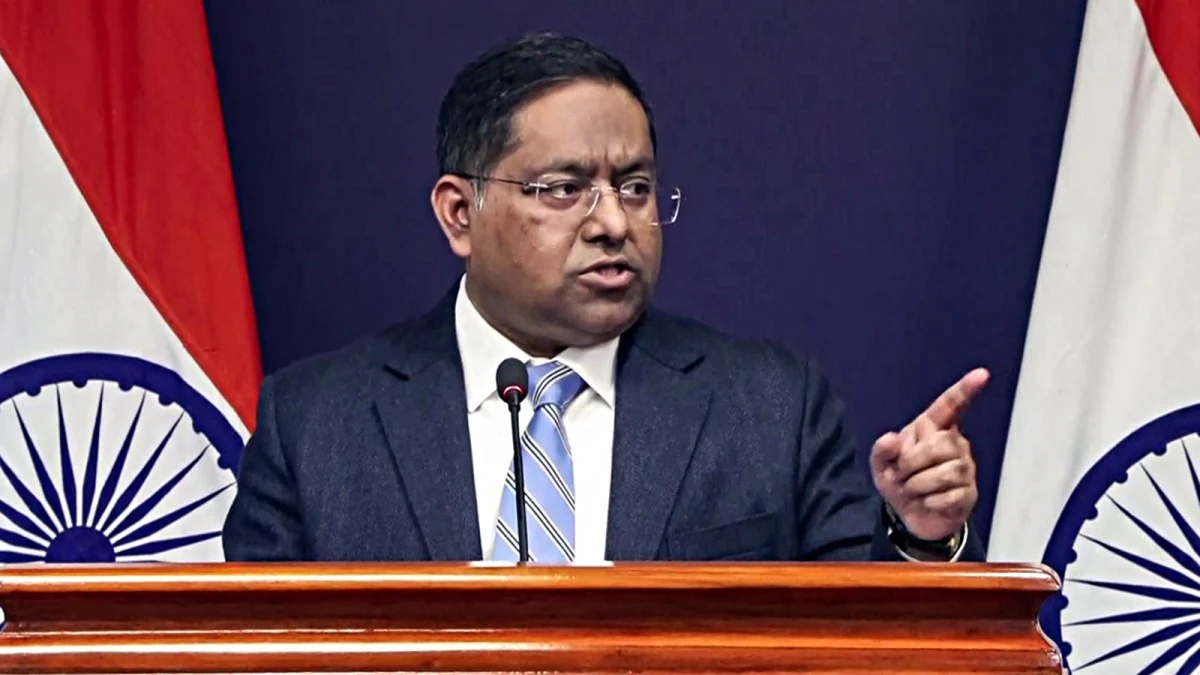
India is closely observing the proposed legislation from the United States, which may impose tariffs of up to 100 per cent on nations, including India and China, for their purchases of Russian crude oil. This statement was made by Randhir Jaiswal, spokesperson for the External Affairs Ministry, during a routine media briefing on July 17. He acknowledged that the government is aware of the evolving situation surrounding the bill.

In response to queries regarding how this legislation might influence India’s oil purchasing decisions, Jaiswal emphasised that India acquires oil from a diversified array of sources worldwide. He reiterated that India’s approach to energy sourcing is guided by its specific requirements, rather than external legislative pressures.

Jaiswal’s comments reflect India’s longstanding commitment to maintaining a robust and independent energy policy. This is crucial in ensuring that the country meets its energy demands efficiently, despite potential geopolitical challenges.

Details of the Proposed Legislation

The proposed US legislation is spearheaded by Senator Richard Blumenthal, a Democrat, alongside the late Republican Senator Lindsey Graham. Its primary focus is to implement extensive sanctions targeting Russia’s political and financial frameworks as well as its energy sector. The overarching aim is to disrupt the revenue channels that allegedly fund Russian President Vladimir Putin’s military activities in Ukraine.

Blumenthal disclosed on Tuesday that the proposed tariffs would specifically affect five key purchasers of Russian oil: China, India, Slovakia, Hungary, and Azerbaijan. Countries engaged in the ongoing purchase of Russian crude would face not only the proposed tariffs but potentially additional trade penalties, aimed at amplifying pressure on Moscow to cease its military actions.

The legislation underscores an international movement to reduce Russia’s energy income while raising the economic costs associated with its conflict in Ukraine. These measures are part of broader efforts to align global sanctions against Russia, reflecting the intricate dynamics of international trade in energy resources.

Implications for International Energy Trade

The US proposal arrives at a time of heightened international scrutiny concerning energy transactions with Russia. India’s interaction with the global oil market remains critical as it navigates these geopolitical tensions. By sourcing oil from multiple nations, India aims to mitigate risks associated with its energy security amid evolving regulatory landscapes.

As New Delhi continues to engage with oil suppliers, it remains essential for the Indian government to evaluate the possible repercussions of these proposed tariffs. This situation presents a challenge for India, particularly in optimising its energy sourcing strategy while balancing international expectations.

India’s strong response reflects its commitment to pursuing an independent foreign policy while addressing its energy needs. The government will likely continue to assess how any new sanctions could impact its economy and energy sector, ensuring that its strategic interests are safeguarded amid these geopolitical developments.

Long or Short, get news the way you like. No ads. No redirections. Download Newspin and Stay Alert, The CSR Journal Mobile app, for fast, crisp, clean updates!

App Store –  https://apps.apple.com/in/app/newspin/id6746449540 

Google Play Store – https://play.google.com/store/apps/details?id=com.inventifweb.newspin&pcampaignid=web_share

Latest News

Popular Videos
