


India and GCC Discuss Free Trade Agreement Negotiations in Riyadh
The CSR Journal Magazine

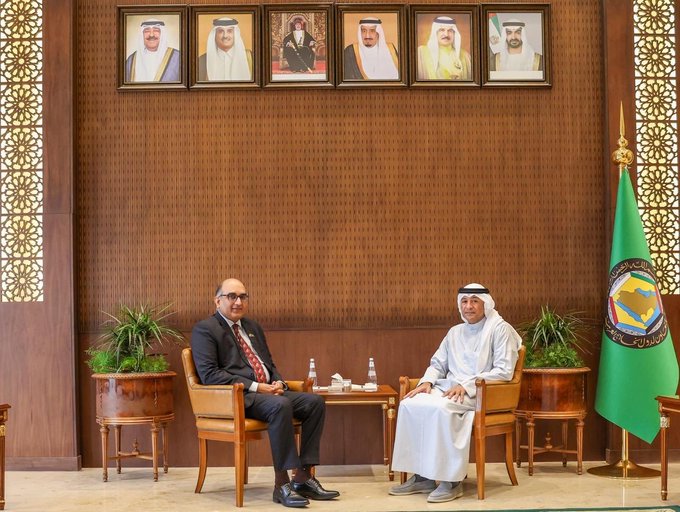
India and the Gulf Cooperation Council (GCC) have revisited their free trade agreement (FTA) negotiations during discussions in Riyadh. The talks took place between India’s Ambassador to Saudi Arabia, Vipul, and GCC Secretary General Jasem Mohamed Albudaiwi. Both representatives addressed strategies to enhance cooperation between India and GCC member states while preparing for a ministerial meeting set for next month, as reported by the GCC Secretariat.

This meeting is particularly notable as it follows the resumption of comprehensive trade agreement discussions that began again in February. Previous negotiations had been interrupted in June due to the regional crisis in West Asia. The GCC represents India’s largest trading partner bloc, with bilateral trade anticipated to reach USD 178.56 billion in 2024-25, accounting for 15.42 per cent of India’s overall global trade, according to official statistics.

Focus on Regional Security and Economic Ties

During the recent meeting, both sides highlighted the necessity for continued dialogue on shared challenges to bolster regional security and stability. The GCC’s official statement emphasised the importance of ongoing coordination on issues pertinent to both parties. This alignment is crucial for facilitating better cooperation in times of evolving regional dynamics.

The Indian Embassy in Riyadh later posted on X to affirm that the discussions encompassed various aspects of India-GCC collaboration, including the FTA talks and the importance of high-level interactions. The representatives also exchanged insights about both regional and international developments that are of interest to both India and the GCC countries.

India’s trade profile with the GCC indicates that exports were valued at approximately USD 56.87 billion in 2024-25, while imports reached USD 121.68 billion. Major Indian exports to the GCC comprise engineering goods, textiles, machinery, rice, and gems and jewellery. Conversely, imports primarily consist of crude oil, liquefied natural gas, petrochemicals, and gold, illustrating a significant trade imbalance favouring the GCC.

Historical Context and Future Prospects

The latest negotiations mark a revival of discussions that were previously held in 2006 and 2008. Subsequent to those talks, GCC deferred discussions on FTAs with various nations and regional blocs. Meanwhile, India has successfully implemented a trade agreement with the United Arab Emirates and has entered into a Comprehensive Economic Partnership Agreement with Oman, while actively pursuing a broader trade arrangement with the six-nation GCC bloc.

The GCC nations serve as a critical investment source for India, with cumulative investments from the GCC surpassing USD 31.14 billion as of September 2025. Additionally, the region is a significant contributor to remittances, hosting an estimated 10 million Indians who form a vital part of the local economy. The ongoing negotiations emphasise the commitment of both parties to foster stronger economic and diplomatic relations moving forward.

As the anticipated ministerial meeting approaches, the discussions in Riyadh are expected to lay the groundwork for further engagement. Strengthening the economic partnership through the FTA could yield substantial benefits for both India and the GCC, paving the way for enhanced trade and investment opportunities in the future.

Long or Short, get news the way you like. No ads. No redirections. Download Newspin and Stay Alert, The CSR Journal Mobile app, for fast, crisp, clean updates!

App Store –  https://apps.apple.com/in/app/newspin/id6746449540 

Google Play Store – https://play.google.com/store/apps/details?id=com.inventifweb.newspin&pcampaignid=web_share

Latest News

Popular Videos
