


IIT Bombay Reveals Why Heatwaves in India Are Intensifying and Starting Earlier
The CSR Journal Magazine

Recent observations indicate that several regions in India, including Delhi, Lucknow, Patna, and Jaipur, are experiencing temperatures akin to those typical of mid-summer. Reports reveal that parts of the country exceeded 40°C in April, prompting the India Meteorological Department to issue multiple heatwave alerts across various states.

The seasonal heat has commenced much earlier than expected, raising concerns about the potential impact on public health and daily activities across affected areas. Despite being in the early stages of summer, residents are already facing extreme temperatures, which is uncommon for this time of year.

Findings from IIT Bombay’s Research

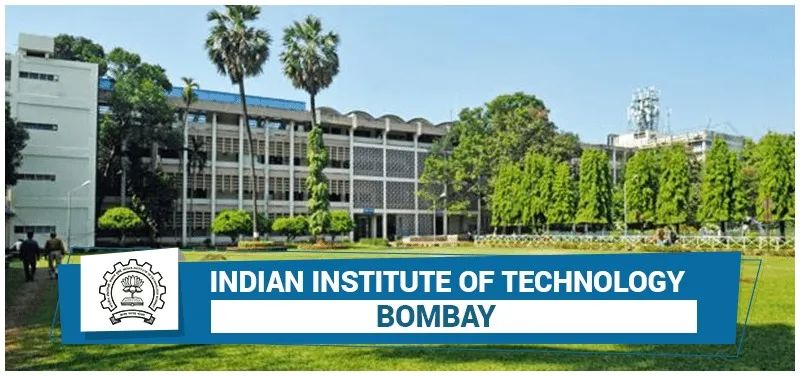
A recent study conducted by researchers at IIT Bombay’s Centre of Studies in Resources Engineering and Centre for Climate Studies suggests a different narrative regarding the cause of heatwaves in North India. Historically, it was believed that these heat spells were primarily the result of hot air masses coming from distant regions. However, the study argues that local conditions also play a significant role in shaping these heatwaves.

This research is crucial as it highlights the geographic area known as the Indo-Gangetic Plains, which is home to approximately 600 million people. Understanding the local factors contributing to heatwaves could enhance predictive capabilities and improve public safety measures.

Manali Saha, a PhD scholar and lead author of the study, mentioned that existing forecasting methods predominantly focused on incoming air flows. The findings suggest that emphasising local land and atmospheric conditions could provide more accurate predictions regarding the emergence of heatwaves.

Types of Heatwaves Identified in Study

The IIT Bombay study distinguishes between two primary types of heatwaves, each with distinct characteristics and health implications. Moist heatwaves occur when pre-monsoon showers saturate the ground with moisture, leading to increased humidity and elevated nighttime temperatures. This type can hinder the body’s ability to cool down effectively, resulting in discomfort and potential health risks.

Conversely, dry heatwaves take place in areas where the soil remains parched and skies are clear, allowing sunlight to intensify ground temperatures. This experience aligns with what many North Indians recognise as the fierce ‘loo’ heat. While both types of heatwaves can be perilous, they do so in different ways, further complicating public health responses.

The researchers’ analysis of ten prominent pre-monsoon heatwave events since 2010 revealed that the rapid formation of high-pressure systems can lead to intense heating in localised regions. This process significantly explains why heatwaves are arriving earlier, lasting longer, and producing more severe conditions compared to previous years.

Proposed Changes to Heatwave Forecasting

The current methodologies employed for heatwave warnings largely rely on temperature thresholds. However, the IIT Bombay team advocates for a more comprehensive approach that would include monitoring humidity levels, soil moisture, and pre-monsoon rainfall patterns. They aim to develop a machine-learning-based system for location-specific forecasts, which could significantly enhance the accuracy of warnings.

This research underlines the urgency of addressing heatwaves as more than seasonal inconveniences; they have serious implications for public health, work responsibilities, and educational activities, particularly for students taking examinations during extreme temperatures.

The study fundamentally challenges the notion that heatwaves are solely the result of external weather systems. By highlighting the significance of local environmental factors, it aims to inform more effective warning systems that can ultimately lead to better preparedness in facing extreme heat conditions in the future.

Long or Short, get news the way you like. No ads. No redirections. Download Newspin and Stay Alert, The CSR Journal Mobile app, for fast, crisp, clean updates!

App Store –  https://apps.apple.com/in/app/newspin/id6746449540 

Google Play Store – https://play.google.com/store/apps/details?id=com.inventifweb.newspin&pcampaignid=web_share

Latest News

Popular Videos
